
Coevolution: reciprocal evolutionary change between interacting species
Coevolution is reciprocal evolutionary change driven by ecological interactions between species, including mutualisms, antagonistic arms races and diffuse networks that shape traits, diversity, and ecosystems.
Overview
Coevolution refers to the process by which two or more interacting organisms influence each other’s evolution. When the fitness of one species depends on traits of another, selection can produce coordinated change so that both lineages appear to evolve in response. These reciprocal changes may be rapid or slow, obvious or cryptic, and they can affect morphology, behavior, physiology, life cycle timing and genetics.
Image gallery
10 Images


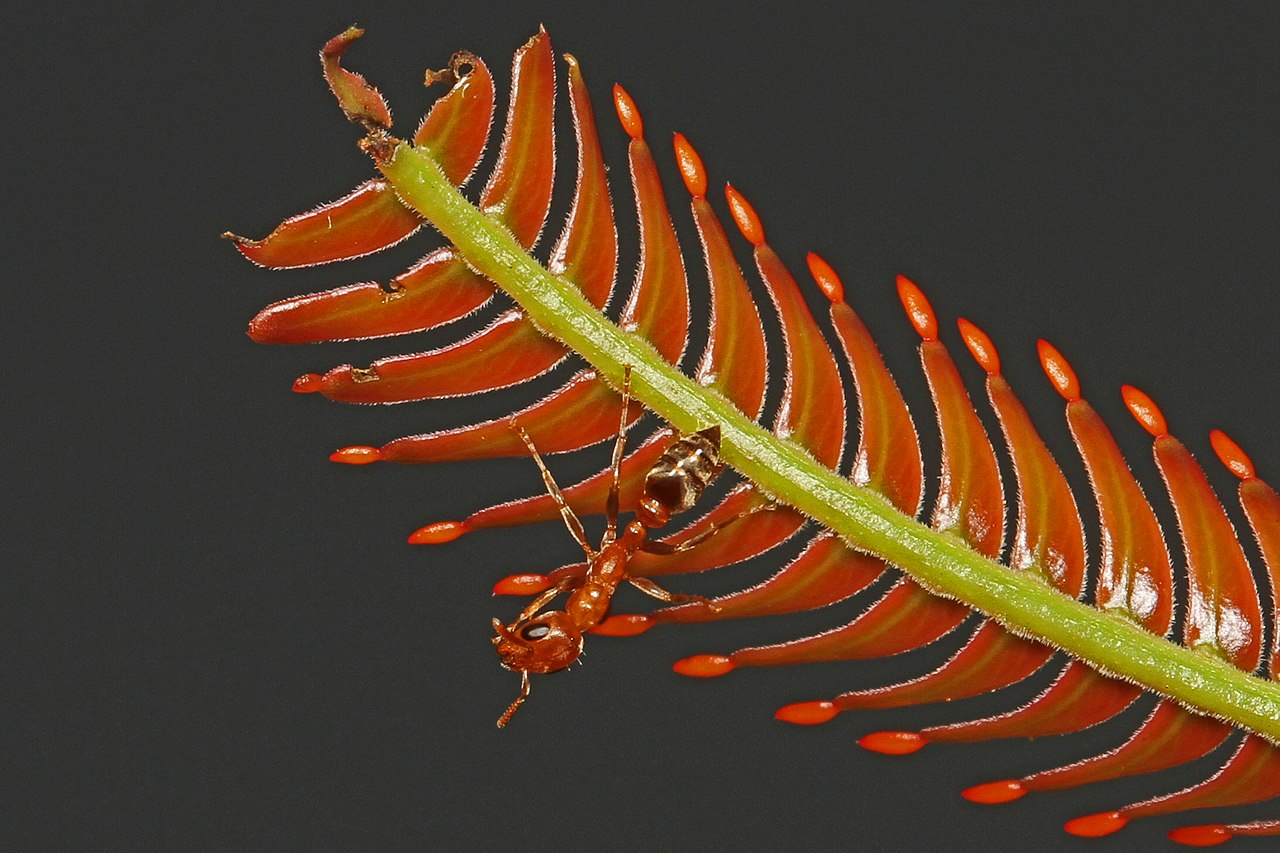

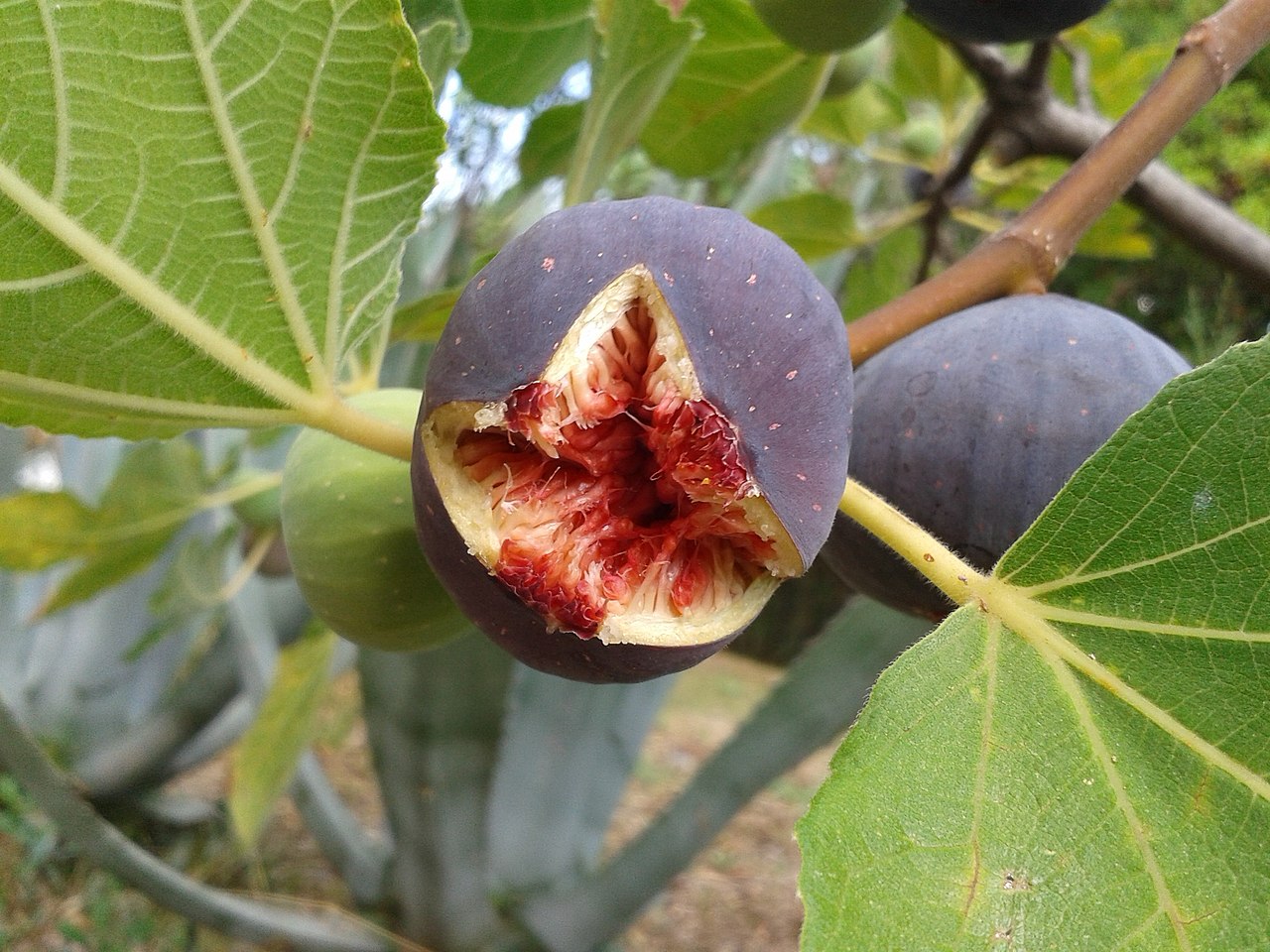


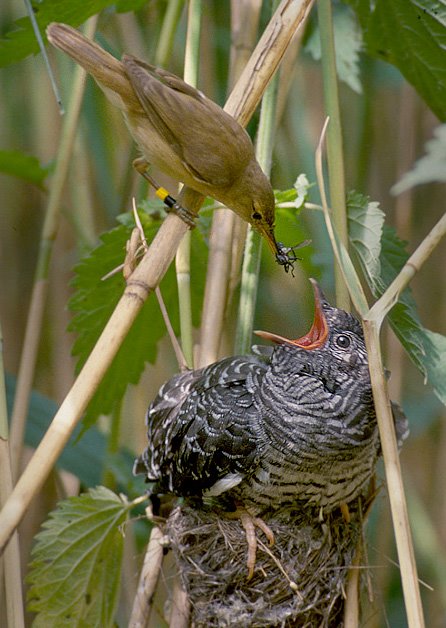
Mechanisms and patterns
At its core, coevolution is driven by reciprocal selection: a trait change in one partner alters selective pressures on the other. Outcomes include escalating "arms races" (for example between predators and prey), stabilizing mutualisms where partners benefit each other, and more complex outcomes when many taxa interact. Coevolution can be pairwise (tight, between two lineages) or diffuse (involving networks of species), and it can be obligate or facultative depending on how dependent partners are. New or improved adaptations in one lineage often trigger counter-adaptations in another, producing characteristic trait matches such as locks and keys or complementary morphologies.
Common examples
- Pollinators and flowering plants: floral shapes, colors and scents often match the foraging behavior and anatomy of their animal visitors, creating close ecological partnerships.
- Mutualistic symbioses: long-term associations such as those between plants and nitrogen-fixing microbes or animals and their gut microbiota illustrate reciprocal benefits and trait integration; see symbiosis.
- Predator–prey and herbivore–plant interactions: predators and prey can evolve speed, camouflage or toxins and countermeasures in response to each other.
- Parasites and hosts: host defenses and parasite infection strategies continually adapt in response to one another; classic host–parasite dynamics are discussed under parasites and hosts.
- Mimicry and warning signals: many butterflies, frogs and other organisms form mimicry systems or "rings" in which multiple species converge on similar warning patterns for protection; see mimicry.
History and theoretical context
The idea of coevolution predates modern genetics but was given renewed attention after Darwin described specialized plant–pollinator fits. Twentieth-century theoretical work introduced concepts such as coevolutionary arms races and hypotheses about constant evolutionary change driven by biotic interactions (for example, the Red Queen idea). Contemporary research combines field studies, comparative phylogenetics and experimental evolution to test when traits reflect reciprocal selection versus other causes.
Importance, consequences and cautions
Coevolution shapes biodiversity and ecosystem function: it can drive speciation, generate complex trait matching, and influence community structure. It is also practically important in agriculture and medicine, where host–pathogen coevolution affects disease dynamics and pest resistance. However, demonstrating coevolution requires evidence of reciprocal selection and genetic change, not merely correlated traits. Ecologists and evolutionary biologists therefore use experiments, phylogenetic patterns and geographic comparisons to distinguish true coevolution from coincidence.
Notable distinctions
Key distinctions include mutualistic versus antagonistic coevolution, pairwise versus diffuse interactions, and coadaptation that is transient versus co-speciation where partners diversify in step. Understanding these differences clarifies how biological interactions drive evolutionary trajectories across scales, from genes to ecosystems.
Further reading and resources: introductory overviews and specialist reviews are available for readers who wish to explore empirical examples and theoretical models in greater depth (species concepts, evolutionary theory, symbiotic relationships, host–parasite systems, mimicry literature, adaptation studies).
Questions and answers
Q: What is coevolution?
A: Coevolution refers to the process where the existence of one species is closely tied to the life of one or more other species, and they evolve together. In coevolution, changes in one species can affect the survival rates of the other species.
Q: What are some examples of coevolution?
A: Some examples of coevolution are species that mutually benefit each other, such as flowers and the animals that pollinate them; life-forms that exist in symbiosis; and species that are antagonistic, such as predators and their prey or parasites and their hosts.
Q: Is coevolution common?
A: Yes, coevolution is extremely common and can involve more than two species. In fact, there are known mimicry rings with dozens of species.
Q: What happens when one species develops a new or improved adaptation?
A: When one species develops a new or improved adaptation, related features in the other species often appear and spread as well.
Q: What is the result of changes in one species in coevolution?
A: In coevolution, changes in one species can affect the survival rates of the other species.
Q: How are the lives of species connected in coevolution?
A: In coevolution, the lives of species are tightly bound up with one another.
Q: Can coevolution involve more than two species?
A: Yes, coevolution can involve more than two species.
Related articles
Author
AlegsaOnline.com Coevolution: reciprocal evolutionary change between interacting species Leandro Alegsa
URL: https://en.alegsaonline.com/art/21403