
Cocoon (insect pupal case)
A cocoon is a protective casing spun by many moth caterpillars and other larvae, often made of silk; used for pupation and, in some species, harvested for textile production.
Overview
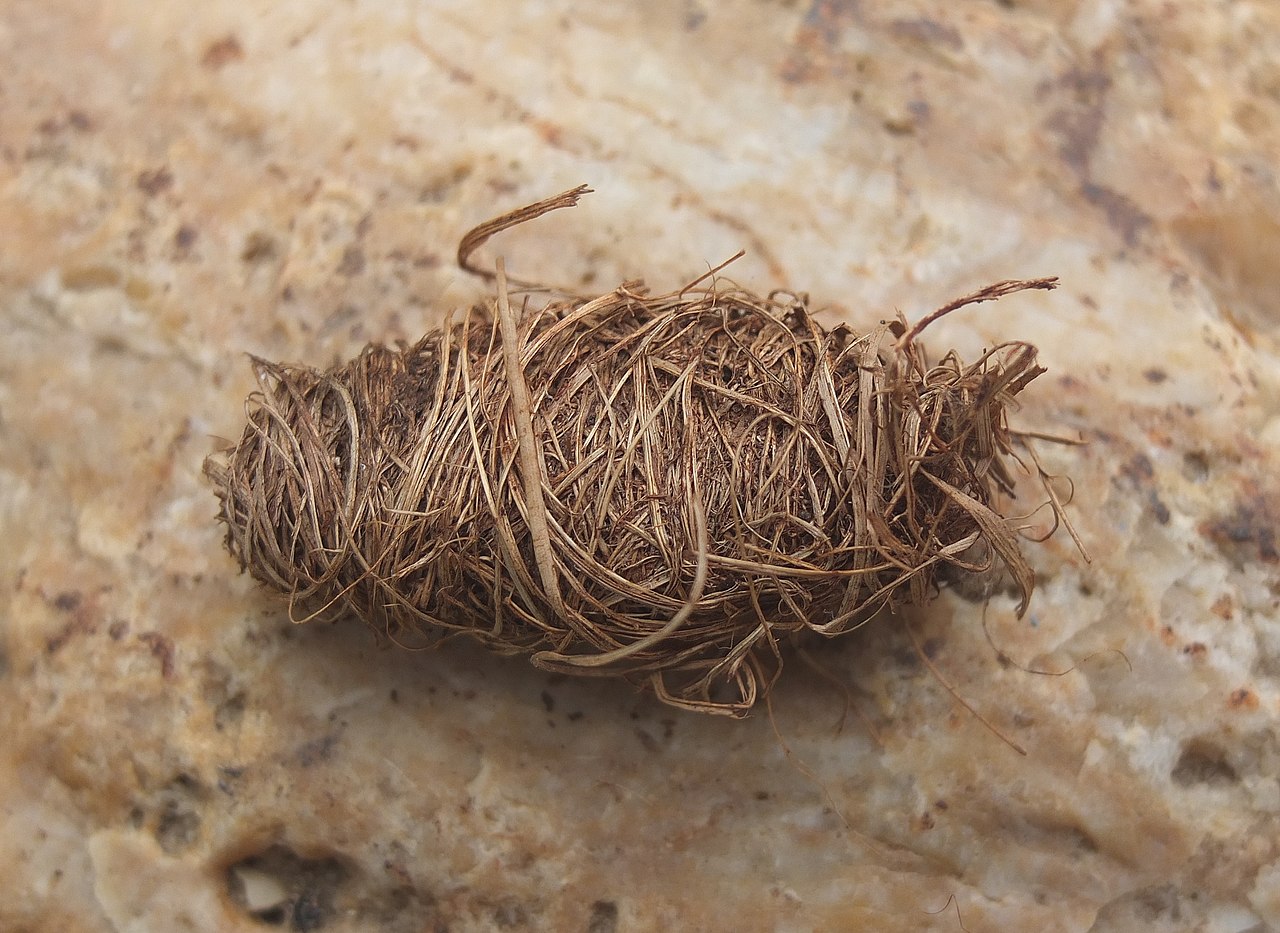
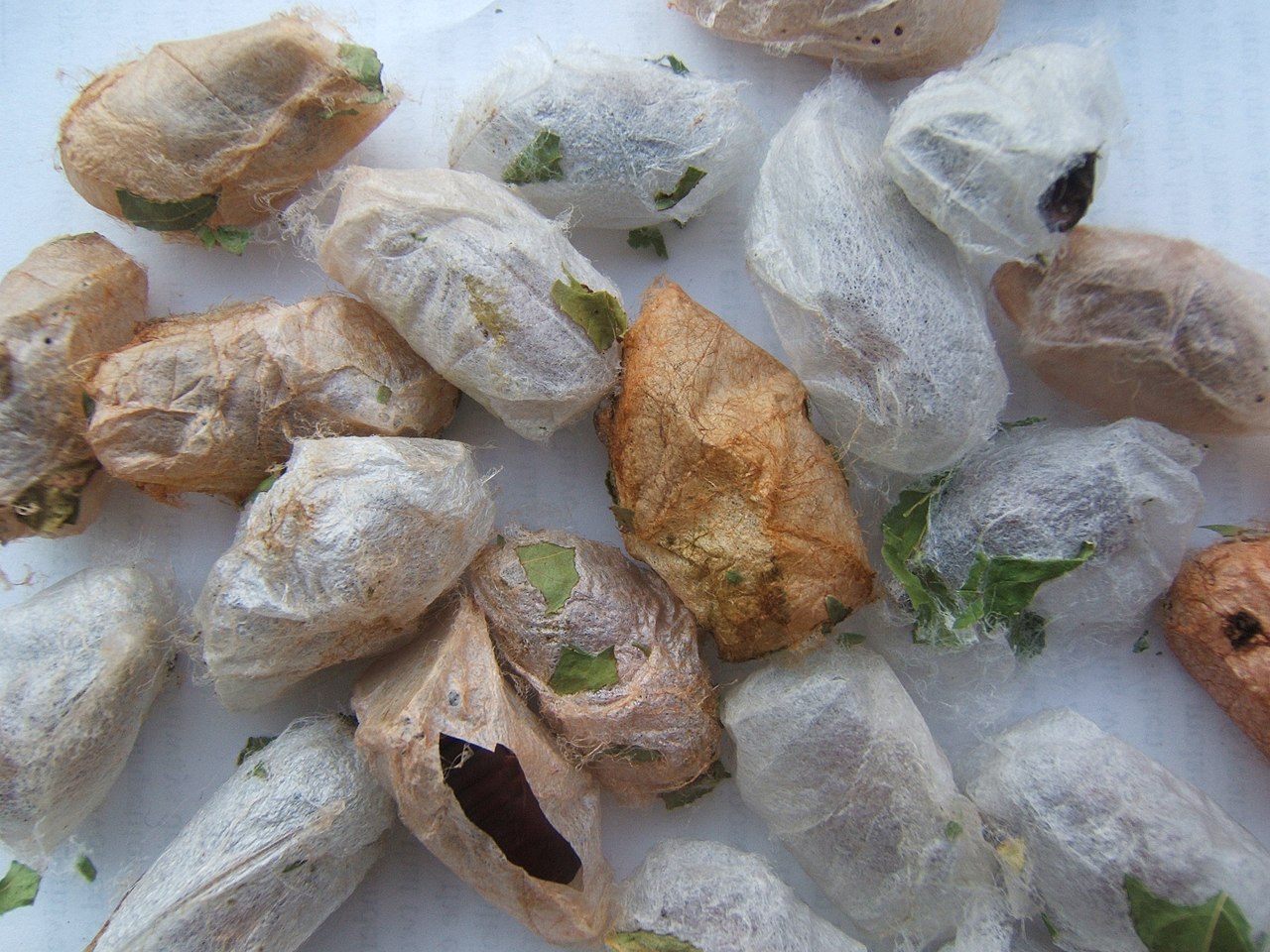
A cocoon is a protective shell or covering created by many kinds of moth and other insect larvae during the transition from larva to adult. Most caterpillars spin a casing from silk fibers produced by glands in their bodies. Inside the cocoon the insect remains as a pupa while the dramatic reorganization of tissues takes place.
Image gallery
10 Images





Structure and function
Cocoons are usually composed of proteinaceous silk strands (mainly fibroin bound by sericin) arranged to give strength, insulation and camouflage. The primary function is protection: from predators, parasites and environmental extremes. Many species incorporate debris—small twigs, leaves or soil—into the outer layer to conceal the pupa or to reinforce the casing.
Variations and examples
Not all lepidopteran pupae are enclosed in cocoons. Many butterfly species form an exposed, hardened pupal case commonly called a chrysalid rather than spinning a silk covering; these are the true pupae of butterflies. Some butterfly groups (for example certain skippers in the family Hesperiidae and subfamilies like Parnassiinae and Satyrinae) do spin silken cocoons. Other insects such as some sawflies and moths also build cocoons, and unrelated aquatic insects (e.g., caddisflies) make cases from local materials rather than pure silk.
Typical locations and behaviors
- Concealed under leaves or bark; attached to stems or twigs.
- Hidden in crevices, leaf litter or shallow burrows in soil.
- Camouflaged by attaching vegetation or debris to the silk exterior.
Human uses and importance
The most economically important cocoons are those of the domesticated silkworm (Bombyx mori). Their silk cocoons are processed to produce natural silk fibers for textiles and clothing. Silk production has a long cultural and economic history in many regions. Beyond textiles, cocoons and the pupation process are studied by biologists as models of metamorphosis, development and material science.
Distinctions and notable facts
In common usage, "cocoon" may be applied broadly to any protective casing spun by an insect larva, but entomologists distinguish cocoons (usually silk-covered pupae) from exposed pupae such as chrysalids. The choice of pupation strategy—open versus enclosed—reflects ecological trade-offs between mobility, concealment and the energetics of silk production.
For further reading see general references on lepidopteran life cycles and silk production: cocoon basics, silk properties, moth biology, caterpillar behavior, insect development, larval forms, butterfly pupation, Hesperiidae, Parnassiinae, pupae types, chrysalid and textile silk.
Tags
Related articles
Author
AlegsaOnline.com Cocoon (insect pupal case) Leandro Alegsa
URL: https://en.alegsaonline.com/art/21359