
Clothes dryer (tumble dryer): types, operation, and maintenance
Comprehensive overview of clothes dryers: operation, main components, vented and ventless types (condensing, heat pump), installation, maintenance, safety, troubleshooting and environmental considerations.
A clothes dryer, often called a tumble dryer, is an appliance used to remove moisture from laundered textiles by circulating warm air while tumbling the load. The basic purpose is to speed drying compared with air-drying and to provide convenience where outdoor or indoor line-drying is impractical. Dryers are available in several configurations and use either electric or gas heat sources; ventless models use internal condensers or heat pump systems to avoid a sealed vent to outdoors.
Image gallery
9 Images




How a dryer works and main components
Most dryers combine mechanical tumbling with heated airflow. Key components include the drum (a rotating cylinder that lifts and separates garments), a drive system (motor and belt), a heat source (electric heating element or gas burner), a blower and ducting to move air, and a lint filter or trap to capture fibers. Modern machines add sensors and controls — for example moisture sensors that detect when clothes are dry and thermostats that regulate temperature. In vented models, the warm humid air is exhausted outdoors; in ventless models the moist air is condensed or recycled internally.
Types of clothes dryers
- Vented dryers: Traditional design that exhausts humid air through a duct to the exterior. They are generally simple and reliable but require a suitable vent and regular duct maintenance.
- Condensing (ventless) dryers: Heat the air as in a vented dryer but cool it inside the machine so water condenses; condensate is drained away or collected in a removable tank. These units are convenient where a vent cannot be installed.
- Heat pump dryers: A more energy-efficient ventless option that uses a heat pump to recover and reuse heat, operating at lower temperatures. They can reduce energy use and be gentler on fabrics.
- Commercial and stacked units: Designed for heavy or shared use in laundromats, apartment buildings, or multi-dwelling installations; often built for durability and frequent cycles.
Installation and placement
Proper installation affects performance and safety. Vented dryers need a short, straight duct to the exterior with appropriate material to limit lint buildup and backpressure. Gas models require a safe gas connection and proper venting to remove combustion products. Ventless units need space for air circulation and, if they use a condensate drain, access to an appropriate drain or a condensate tank. Placement should allow service access and avoid tight enclosures that trap heat.
Features, controls and fabric care
Contemporary dryers offer a range of cycles and options to protect different fabrics and reduce energy use: moisture-sensing automatic cycles, timed cycles, low-heat settings for delicates, steam refresh or anti-wrinkle programs, and specialty cycles for bulky items. Using the correct cycle and avoiding over-drying preserves textiles and reduces energy waste. Many manufacturers include guidance for drying natural fibers, synthetics and blends.
Maintenance and safety
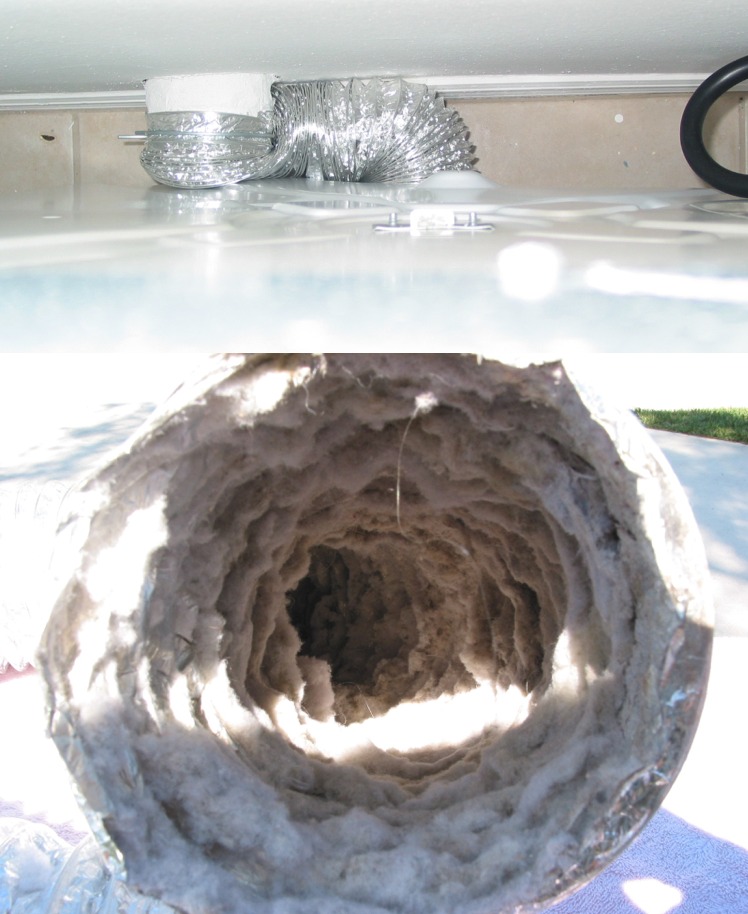
Routine maintenance improves safety and efficiency. Clean the lint filter after every load to maintain airflow and reduce fire risk. Periodically inspect and clean external ducts, and check seals and hoses on ventless machines. For gas dryers, arrange professional inspection of gas connections and burners as recommended. Keep the area around the dryer clear, and follow manufacturer instructions for installation and service. If a dryer vibrates excessively, overheats, or smells of gas, stop use and investigate the cause before continuing.
Troubleshooting and common problems
- Dryer runs but clothes remain damp: check lint filter, confirm correct cycle, verify adequate airflow in the vent or condenser, and ensure the heating element or gas supply is operating.
- Excessive noise or vibration: inspect the drum rollers, bearings, drive belt and leveling feet for wear or imbalance.
- Poor drying times: clean lint traps and ducts, avoid overloading, and consider sensor-based cycles rather than long timed cycles.
- Lint build-up and smells: remove lint from traps and ductwork regularly; for musty odors, run a full empty cycle with a high-heat or air-flush setting if recommended by the manufacturer.
Energy use and environmental considerations
Dryers are among the higher-energy appliances in many homes. Heat pump and other high-efficiency models typically use less energy than conventional electric resistance dryers, and gas dryers may be more economical where natural gas is less expensive. Energy labels and efficiency ratings from regional programs can help compare models. Additional ways to reduce environmental impact include using sensor drying to avoid over-drying, spinning laundry at high speed in the washer to remove more water before drying, and repairing rather than replacing when feasible.
Selecting a dryer and lifecycle considerations
When choosing a dryer, consider fuel type, available installation space, venting options, capacity, efficiency, and the types of loads you typically dry. Size the machine to match washing capacity for best performance, and weigh long-term operating costs as well as purchase price. Regular maintenance extends service life; when a machine reaches the end of its life, follow local guidance for recycling or disposal of appliances and refrigerants (for heat pump units).
Brief history and developments
Clothes dryers developed through the 20th century from hand-rotated cabinets to automated electric and gas appliances. Innovations such as electric heating elements, automatic moisture sensing, condenser and heat pump systems, and more sophisticated electronic controls have improved convenience, safety and energy performance over time.
Further reading and resources
Related articles
Author
AlegsaOnline.com Clothes dryer (tumble dryer): types, operation, and maintenance Leandro Alegsa
URL: https://en.alegsaonline.com/art/21097
Sources
- explainthatstuff.com : "Clothes dryer"
- laundry.about.com : "How Ventless Clothes Dryers Work"