
Drain: purpose, types, components and maintenance
A drain is a conduit or structure that collects and carries away excess water or wastewater. This article explains common types, components, history, uses, and basic maintenance considerations.
Overview
A drain is any constructed channel, pipe or opening that collects and conveys water or liquid waste away from a location to prevent accumulation and damage. Drains manage surface water such as roof or roadside runoff as well as subsurface and building wastewater. Proper drainage reduces flooding, protects infrastructure and supports agriculture and urban planning. Commonly discussed forms include storm drains, sanitary drains, floor drains and sub-surface drains.
Image gallery
7 Images



Components and common types
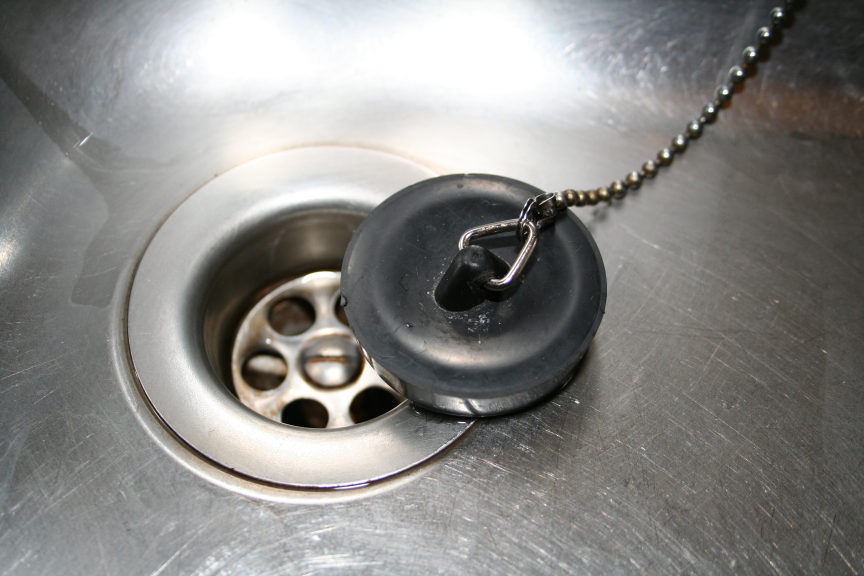
Typical parts of a drainage installation include an inlet or grate, a conveyance pipe, joints and connections, a catch basin or chamber and an outlet or connection to a larger sewer or dispersal area. Materials range from concrete and clay to modern plastics and metals. Key types are:
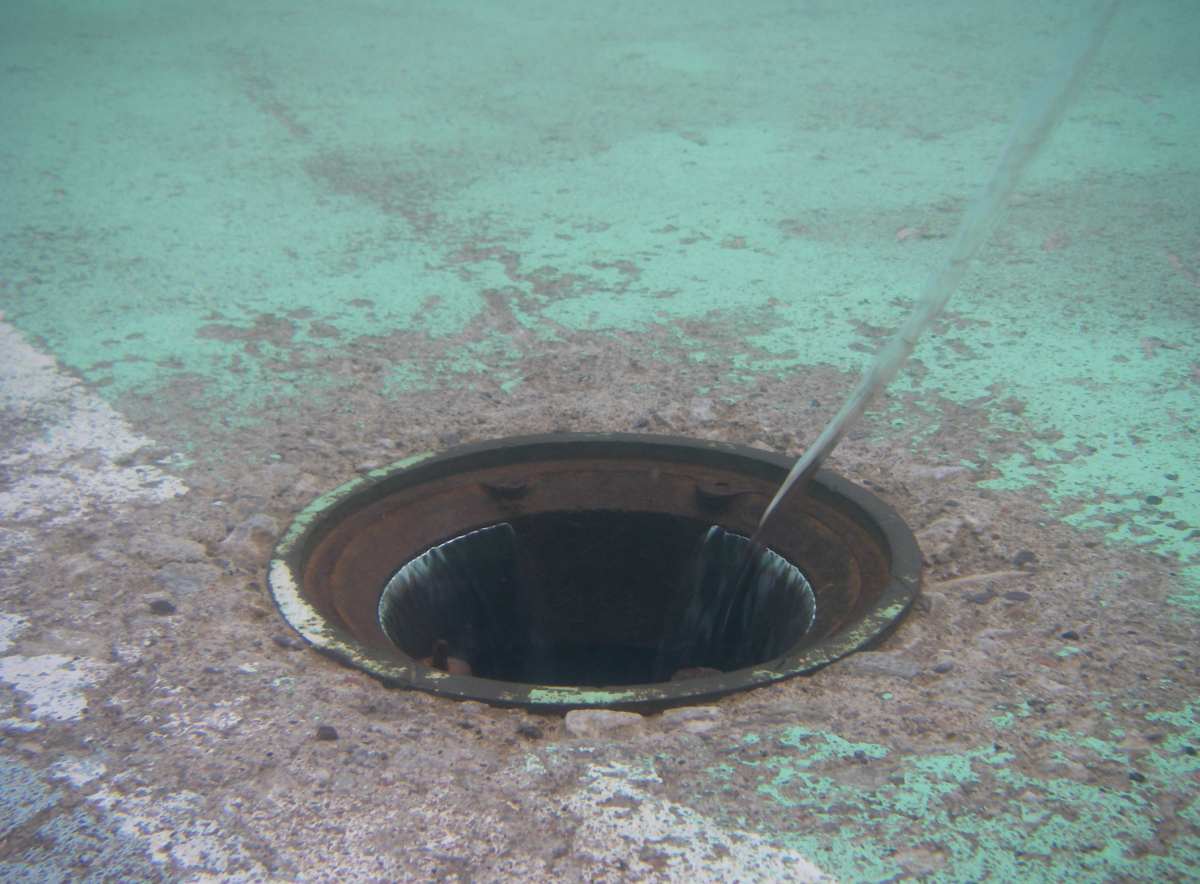
- Surface drains and storm drains, which collect rainwater from streets and paved areas. See water collection systems for related topics.
- Sanitary drains that carry household sewage to treatment or sewers.
- French drains and subsurface drainage that use gravel-filled trenches to lower groundwater.
- Floor and trench drains found in buildings, garages and industrial sites.
History and development
Organized drainage is ancient: civilizations developed channels, gutters and sewers to protect settlements. Over time materials and methods evolved from stone and masonry to cast-iron and modern plastic piping. Urban expansion and engineering advances led to separate systems for stormwater and wastewater in many cities to reduce pollution and improve public health.
Uses, examples and importance
Drains protect roads, buildings and farmland by directing excess water away from foundations and crops. In cities, storm drains reduce standing water that can damage pavements and spread disease. In buildings, properly trapped drains prevent odors and pests. Agricultural drainage increases usable land and stabilizes soils.
Maintenance, problems and solutions
Common issues include blockages from debris, sediment build-up, root intrusion and corrosion or pipe collapse. Regular inspection, cleaning and repair prolong service life. Preventive steps include installing grates and filters, routine clearing of catch basins and controlling vegetation. Professional inspection is recommended for buried or complex systems.
Distinctions and notable facts
Drains intended for surface runoff are usually separate from sewers carrying sewage; combined systems still exist in older areas and can overflow during heavy rains. Local regulations, materials and design standards vary, so planning, construction and maintenance typically follow municipal guidelines. For further technical resources, consult engineering references or municipal guidance via stormwater guidance, urban drainage and agricultural drainage.
Related articles
Author
AlegsaOnline.com Drain: purpose, types, components and maintenance Leandro Alegsa
URL: https://en.alegsaonline.com/art/28860