
ColecoVision — early 1980s home video game console
ColecoVision, released in 1982, was a second‑generation home video game console noted for arcade-style ports, modular expansion (including Atari 2600 compatibility) and distinctive keypad controller overlays.
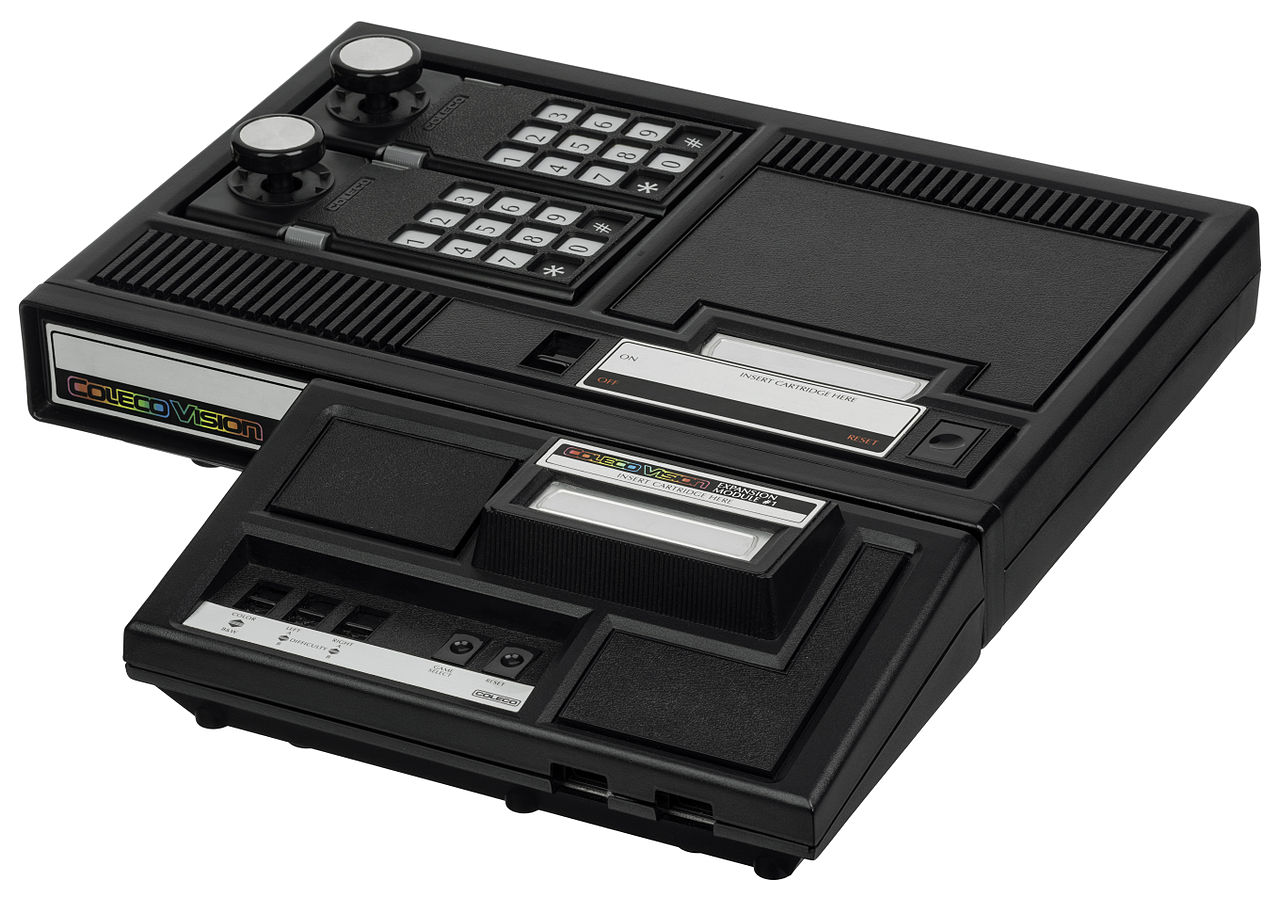
ColecoVision was a second‑generation home video game console introduced in 1982 that aimed to bring arcade‑quality graphics and closer arcade gameplay into the home. At launch it attracted attention for faithful ports of popular coin‑op titles and for a modular hardware approach that let consumers add capabilities over time. Contemporary advertising and reviews highlighted its arcade conversions and the system’s strategy of expansion via optional modules. For manufacturer details see manufacturer information.
Image gallery
8 Images



Hardware and controllers
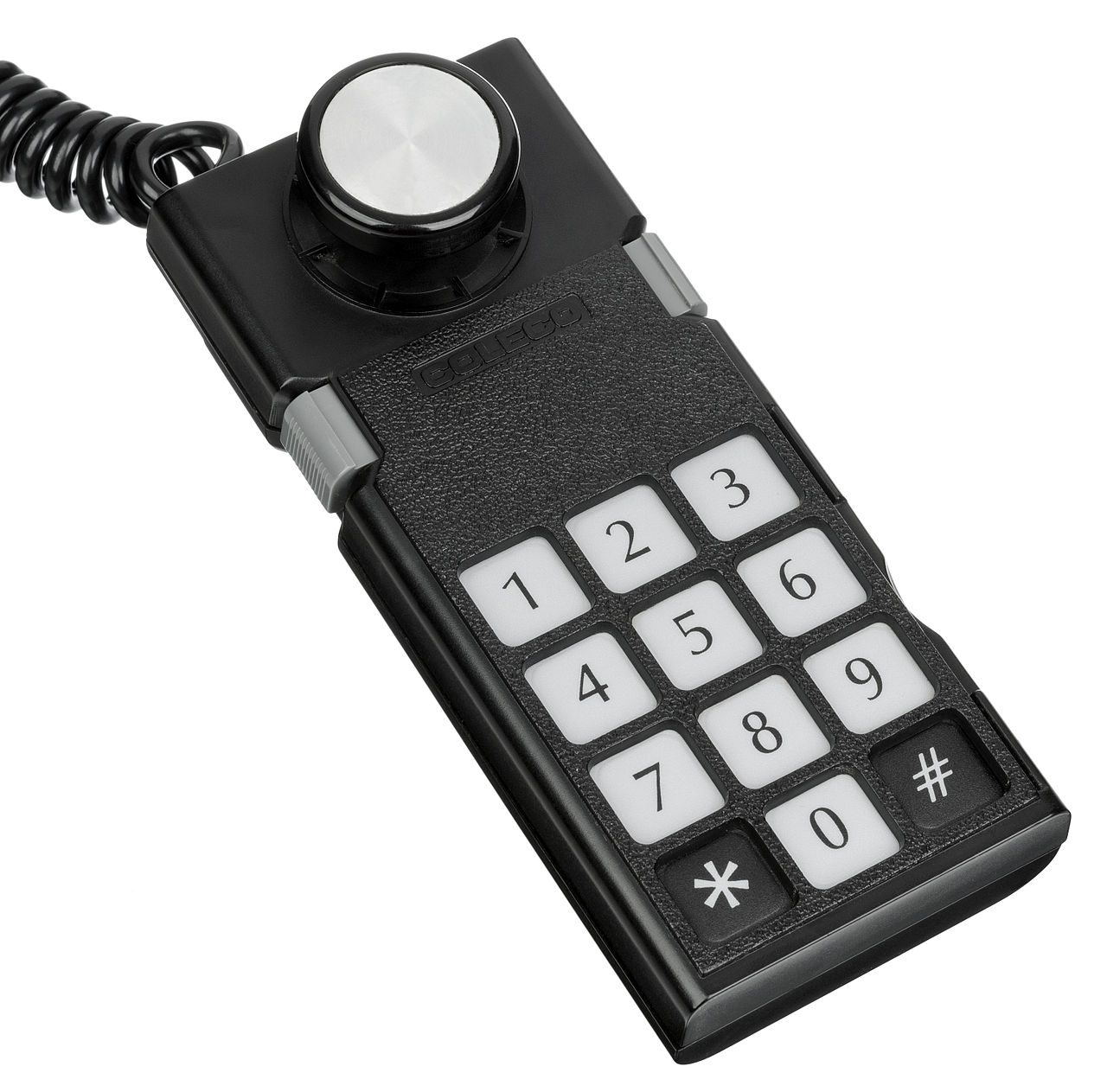
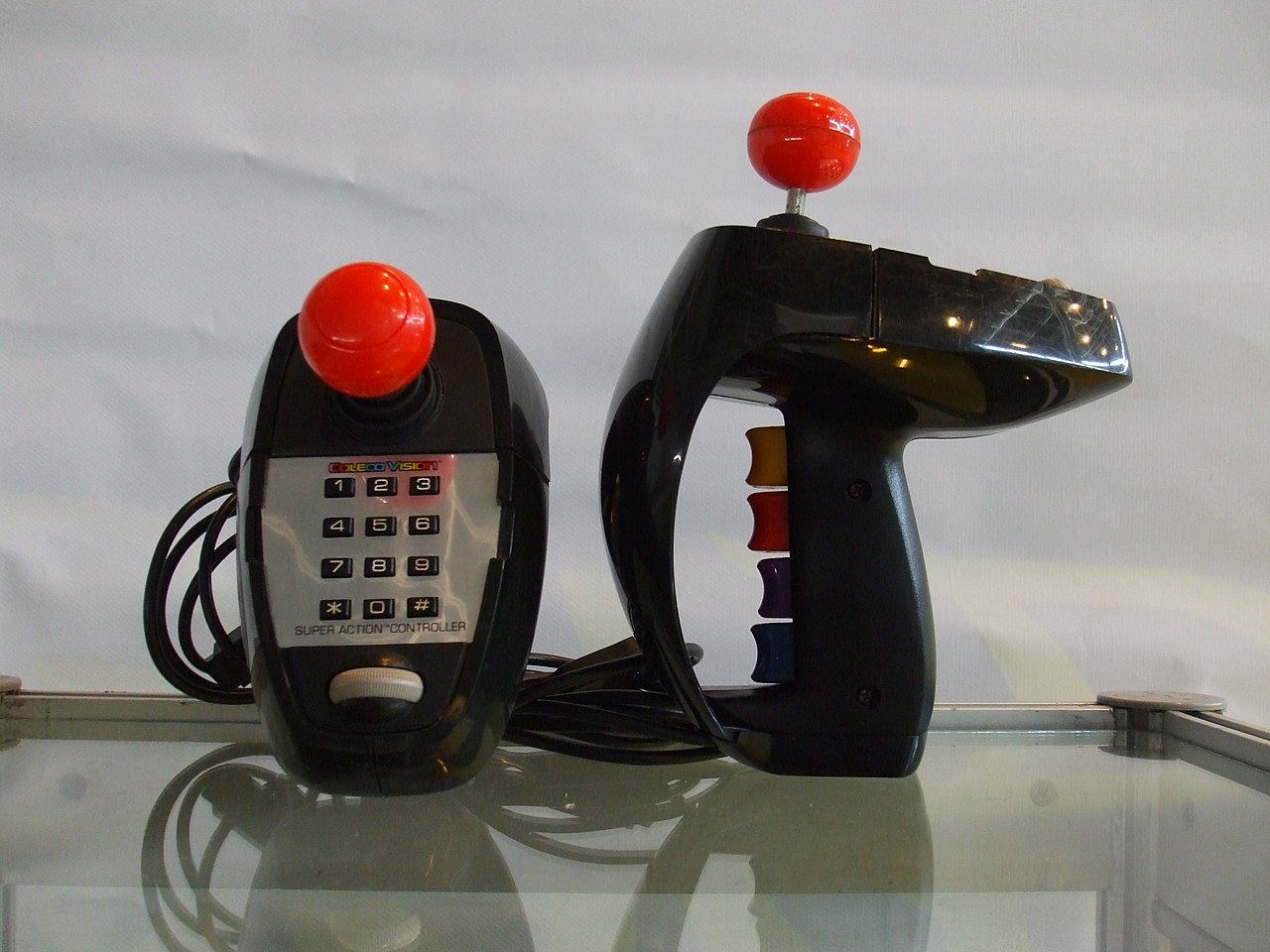
The system used widely known components for its era, including a Zilog Z80 CPU and a dedicated video processor that together delivered more sprites and colors than many earlier consoles. Its standard controller combined a short, spring‑loaded joystick, two action buttons and a 12‑button numeric keypad. Developers and publishers shipped printed plastic keypad overlays with many cartridges; these overlays fit over the controller pad to indicate game‑specific commands and were a signature accessory of the platform.
Expansion and compatibility
Coleco pursued an expansion strategy to broaden the console’s appeal and longevity. The most famous add‑on, Expansion Module #1, provided compatibility with cartridges from an earlier popular system, increasing the effective library available to owners. Other products and peripherals were offered or planned, including a computer conversion/upgrade and various controllers, reflecting a modular mindset that anticipated later discussions of backward compatibility. For context on the earlier system it could emulate, see Atari 2600.
Library and key titles
The ColecoVision was notable for early arcade ports that emphasized visual fidelity and play mechanics similar to their coin‑op originals. A well‑known pack‑in demonstrated the system’s strengths by reproducing the look and feel of a popular arcade hit. Its catalogue mixed original titles, licensed arcade conversions and, via expansions, games from other platforms. The keypad overlays and controller design supported more complex inputs than many contemporaries.
Market history and legacy
Sold for only a few years during the early 1980s, the console’s commercial life was affected by the broader downturn in the North American video game market. Despite a relatively short production run, the system left a lasting impression for its technical ambitions, peripheral ecosystem and role in early attempts at compatibility between platforms. The Coleco brand and trademarks have changed hands and seen occasional revivals; the platform remains of interest to collectors, historians and retro gaming enthusiasts. For comparisons with other contemporary designs, see the Intellivision entry at Intellivision and material on arcade‑to‑home conversions at arcade conversion context.
Notable features
- Arcade‑style ports that aimed for visual and gameplay fidelity.
- Expandable hardware philosophy exemplified by Expansion Module #1.
- Distinctive keypad overlays that permitted complex control schemes.
- Short commercial run but enduring interest among collectors and historians.
Overall, ColecoVision is remembered as an early and influential example of a console that combined stronger audiovisual ambitions with a modular approach to expandability, helping shape later thinking about backward compatibility and peripheral ecosystems in home gaming.
Questions and answers
Q: What was the ColecoVision?
A: The ColecoVision was a second generation home video game console.
Q: What was the Expansion Module #1?
A: The Expansion Module #1 was an add-on for the ColecoVision that allowed compatibility with Atari 2600 games and expanded its library of games.
Q: What did the ColecoVision offer in terms of gaming style and graphics quality?
A: The ColecoVision offered arcade-quality graphics and gaming style.
Q: What were some other game systems that the ColecoVision competed with?
A: The ColecoVision competed with other game systems popular at the time such as Atari 2600 and the Intellivision.
Q: Who currently owns the ColecoVision brand name?
A: River West Brands currently owns the ColecoVision brand name.
Q: In what year was the ColecoVision released?
A: The ColecoVision was released in 1982.
Q: When was the ColecoVision discontinued?
A: The ColecoVision was discontinued in 1985.
Related articles
Author
AlegsaOnline.com ColecoVision — early 1980s home video game console Leandro Alegsa
URL: https://en.alegsaonline.com/art/21511