
Cienfuegos Province — geography, history, economy and tourism
Overview of Cuba's Cienfuegos Province: location, history, economy (sugar and agriculture), natural features, and tourism including diving, caves and waterfalls.

Overview: Cienfuegos is a coastal province on the southern side of Cuba, known for its compact size, coastal bay and the provincial capital that shares its name. The province's Spanish name is often rendered as "one hundred fires" in literal translation. Administratively it is one of the provinces of the country and serves as a regional center for commerce, transport and agriculture. The principal city, the city of Cienfuegos, grew from a 19th-century settlement and remains the main urban hub.
Image gallery
1 Image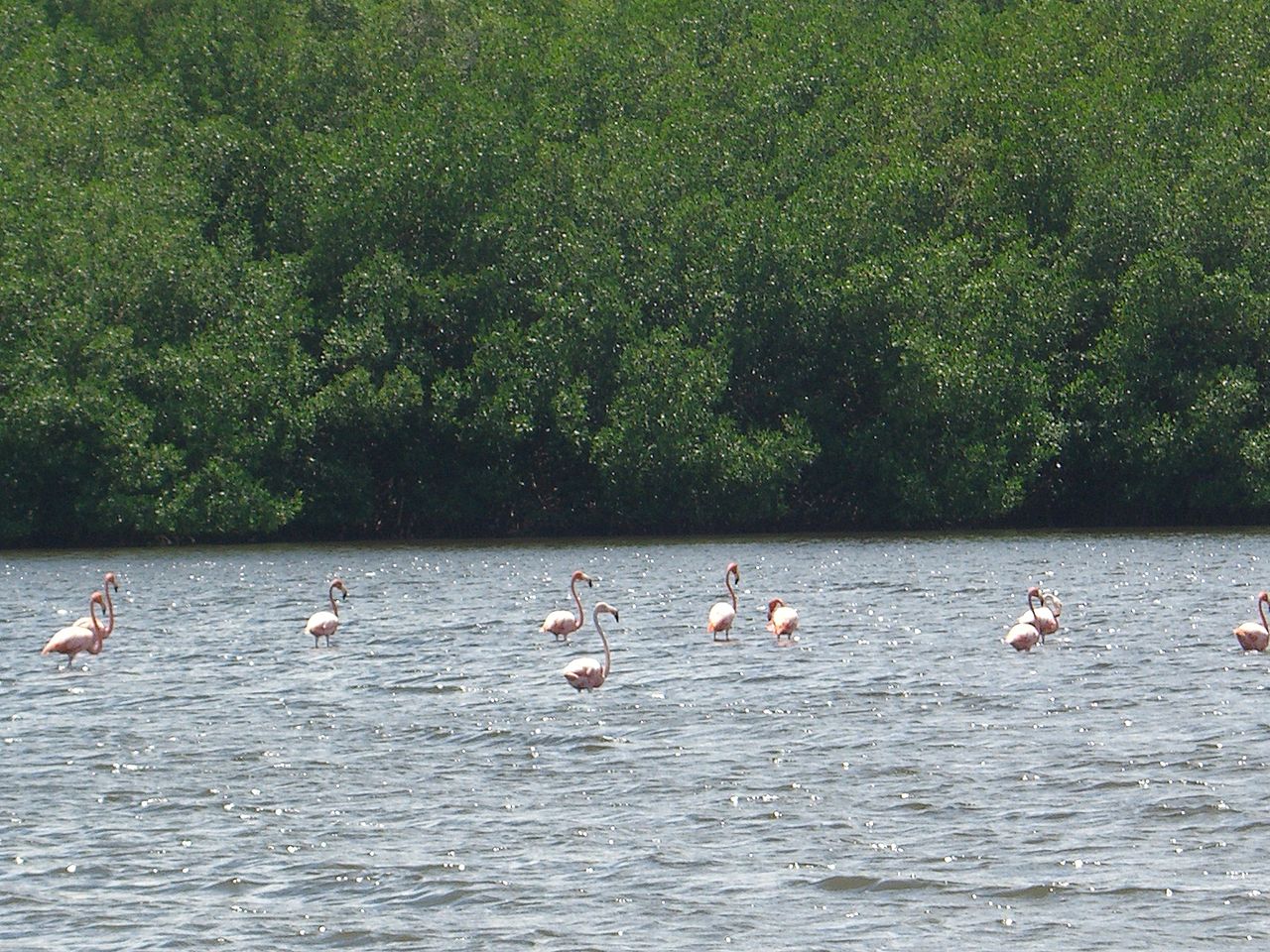
Geography and environment
Cienfuegos is the smallest of Cuba's provinces by land area, yet it contains a variety of coastal and inland landscapes. The province includes a broad natural bay that shelters ports and fishing communities, flat agricultural plains with extensive planted fields, and upland areas where streams form waterfalls in steeper terrain. Marine habitats around the bay and nearby coral formations support fisheries and recreational activities.
Origins and historical notes
The city of Cienfuegos was established in the early 19th century by European settlers, including groups of French settlers, and the town is commonly dated to 1819. Over time the surrounding region evolved from scattered estates and plantations into an integrated provincial economy. Political reorganizations during the 20th century changed boundaries: areas that once belonged to the larger Santa Clara administrative unit were later divided into several provinces, including Cienfuegos and neighboring provinces such as Sancti Spíritus.
Economy and land use
Agriculture has long been central to the province's economy, with sugar production and processing playing a dominant role. Sugar mills, refining facilities and broad sugarcane plantations characterize much of the countryside. Beyond sugar, local economic activity includes livestock, small-scale industry, fishing and services. Efforts to diversify income emphasize tourism and local manufacturing to reduce reliance on a single crop and to strengthen the provincial economy.
Tourism, recreation and natural attractions
Cienfuegos attracts visitors for its coastal scenery, historic urban architecture and marine recreation. The bay and nearby reefs offer many opportunities for scuba diving, snorkeling and sport fishing. Divers are drawn to numerous underwater sites and an array of underwater caves and reef formations that provide varied dive experiences. Inland, the province's higher ground contains streams and cascades; several waterfalls are found where rivers descend through rocky sections, creating popular local picnic and hiking spots.
Administration and cultural notes
Although relatively small, the province is divided into municipalities centered on market towns and the provincial capital. The city of Cienfuegos is known for its orderly urban plan, 19th-century architecture and cultural institutions that reflect the mixed Spanish and Caribbean heritage of the region. Local festivals, seafood cuisine and port activities remain important to community life and to visitors seeking a quieter complement to Cuba's larger tourist centers.
- Natural resources: coastal waters, fertile plains, limited upland forests.
- Key industries: agriculture (notably sugarcane), fishing, tourism and light manufacturing.
- Recreation: diving, boating, hiking to waterfalls and cultural tourism in the provincial capital.
For more information on administrative divisions, tourism services and conservation efforts in the region, see related provincial guides and official resources linked for reference: Spanish name, provincial status, national context, city information, settler history, founding date, sugar economy, economic notes, plantations, diving sites, caves, waterfalls, and neighboring province Sancti Spíritus.
Related articles
Author
AlegsaOnline.com Cienfuegos Province — geography, history, economy and tourism Leandro Alegsa
URL: https://en.alegsaonline.com/art/20361