
Circuito de Jerez — motorsport circuit near Jerez de la Frontera
Circuito de Jerez is a Spanish motorsport circuit opened in 1985, known for MotoGP rounds, Formula One races in the late 1980s–90s, winter testing, and the controversial 1997 podium incident.
Circuito de Jerez is a prominent motorsport circuit located near the city of Jerez de la Frontera in Andalusia, southern Spain. The facility, often associated with Spanish motorcycle racing, opened in December 1985 and quickly became a regular venue for international events, manufacturer testing and training. For map and coordinate information see location details. The circuit was renamed in honour of the Spanish motorcycle champion Ángel Nieto in the 2010s and is commonly referred to in full as Circuito de Jerez–Ángel Nieto.
Image gallery
5 Images


Layout and characteristics
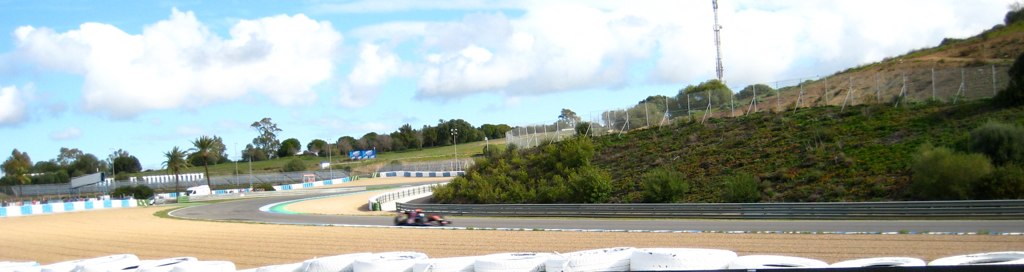
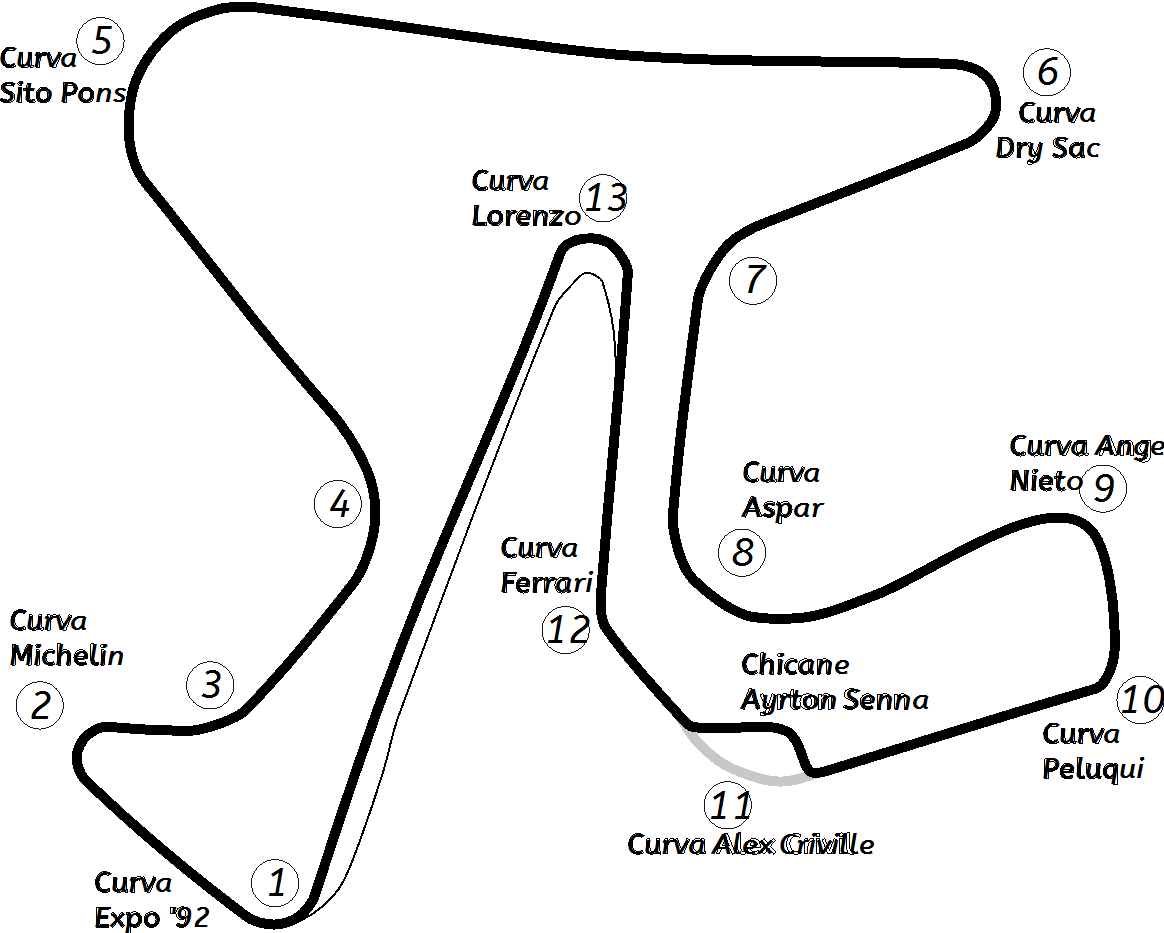
The track offers a mix of flowing high‑speed bends and tighter technical sections that reward precision and balance. One common configuration measures about 4.4 km and features a sequence of medium‑speed corners and a long run that leads into a tight braking zone; published descriptions often refer to eleven main turns in that layout. Surface characteristics and corner variety make the circuit useful for tyre development and setup work, while paddock and pit facilities support both large international teams and smaller national entrants.
Early years and Formula One
Shortly after opening, Jerez hosted rounds of the motorcycle World Championship and, for a time, Formula One. The venue held the Spanish Grand Prix in the late 1980s before that event moved to the Circuit de Catalunya in 1991. Jerez reappeared on the F1 calendar intermittently in the 1990s, staging the European Grand Prix in 1994 and again in 1997. The 1994 event at Jerez also took place in a season marked by changes to circuit safety standards following tragic incidents elsewhere; that year some tracks introduced chicanes and other measures to moderate terminal speeds.
1994–1997 period and notable incidents
In 1994 Jerez hosted a European Grand Prix when scheduling adjustments were required, an example linked in contemporary accounts to difficulties elsewhere such as those that affected calendars for races like the Argentine Grand Prix. The safety climate of the mid‑1990s was influenced by the fatal accident of Roland Ratzenberger at Imola and other serious incidents at the 1994 San Marino Grand Prix. In response to concerns about approach speeds and runoff, a chicane was added at what is often referred to as Turn 11 at Jerez to reduce entry velocity into the following sequence.
The 1997 European Grand Prix at Jerez is widely remembered for its sporting significance — the drivers involved in the title fight included Michael Schumacher and Jacques Villeneuve — and for an off‑track controversy. During the podium ceremony the local mayor, Pedro Pacheco, stepped onto the podium and presented a trophy in breach of protocol; the interruption led to strained relations with Formula One organisers and contributed to the track not appearing on future full Grand Prix calendars.
Motorcycle racing, testing and other uses
Motorcycling remains central to Jerez’s identity. The circuit has been a regular round of the motorcycle World Championship since 1990 and continues to host the Spanish Motorcycle Grand Prix in most seasons. Jerez is also a popular winter testing venue for MotoGP teams and for car teams conducting pre‑season shakedowns thanks to its mild climate, predictable weather and a layout that tests a wide range of chassis and tyre behaviour.
Facilities, events and legacy
Beyond top‑level World Championship rounds, the venue stages national championships, club meetings, corporate track days and driver and rider training programmes. Its facilities include garages, a pit lane suitable for international series, spectator grandstands and hospitality suites. The proximity to the city of Jerez and to regional transport links, including local airports and road connections to Cádiz, makes the circuit accessible to competitors and spectators.
- Primary uses: MotoGP rounds, national racing, testing and driver training.
- Historical F1 presence: Spanish Grand Prix in the late 1980s and European Grands Prix in 1994 and 1997.
- Distinctive qualities: technical corner combinations, useful testing environment and Andalusian climate.
Although full‑season Formula One has not returned to Jerez since the 1990s, the track remains an important and well‑regarded venue in European motorsport. Its combination of history, ongoing motorcycle prominence and frequent use for winter testing ensures that Circuito de Jerez continues to be a significant location for teams, riders and fans. For further reading and archival race reports see contemporary season summaries and retrospectives that cover the events and personalities associated with Jerez on the international racing scene.
Related articles
Author
AlegsaOnline.com Circuito de Jerez — motorsport circuit near Jerez de la Frontera Leandro Alegsa
URL: https://en.alegsaonline.com/art/20457