
Circuit de Monaco: Monte Carlo’s Iconic Street Racing Circuit
A detailed overview of the Circuit de Monaco, the historic street circuit in Monte Carlo, Monaco, describing its layout, famous corners, history, racing challenges and cultural significance.
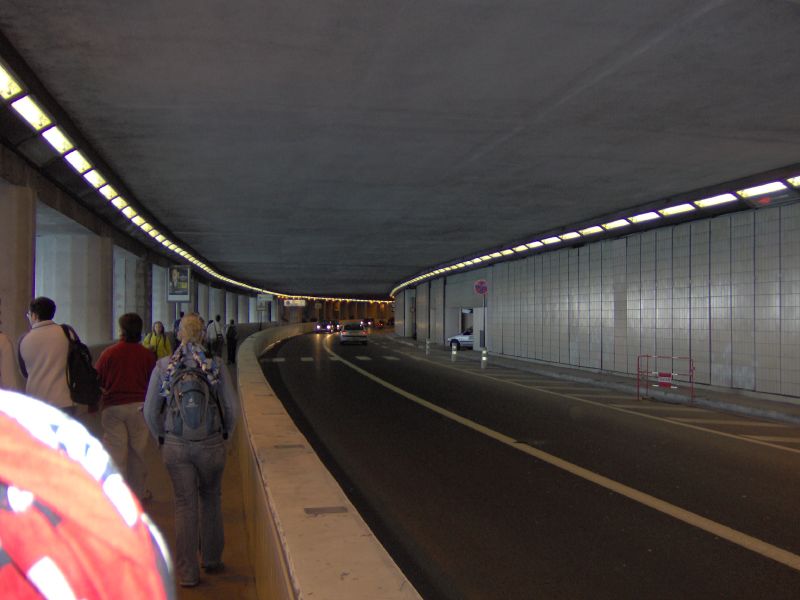
The Circuit de Monaco is a temporary street circuit laid out each year on public roads through the Monte Carlo and La Condamine districts of the principality of Monaco. Often shortened to "Monte Carlo," the track runs around the harbour and through densely built urban streets, combining narrow stretches, tight hairpins and a signature tunnel section. Visitors and fans can locate its position via coordinates and learn more about the surroundings in the Monte Carlo neighborhood at Monte Carlo and the wider Monaco principality; the harbour area and port are closely associated with the race-day atmosphere at the harbour.
Image gallery
10 Images



Layout and characteristics
The course is run on closed public streets rather than permanent track facilities, which makes it one of the most unusual and demanding venues in top-level motorsport. Its surface is a patchwork of road types, and the run includes steep gradients, sudden direction changes and very limited runoff areas. Because of its tightness, the circuit is relatively short and slow compared with many permanent racing venues, but it is still widely regarded as one of the most technically challenging tracks due to its precision demands and the high penalty for mistakes.
Famous corners and sectors
- Sainte-Dévote – a crucial opening corner where position and caution matter on the first lap.
- Casino Square – a glamorous fast section by historic buildings and hotels.
- Hairpin (formerly Grand Hotel hairpin) – one of the slowest and most photographed turns in racing.
- Tunnel – a high-speed, enclosed stretch that challenges visibility and car balance.
- Portier, Tabac and La Rascasse – a sequence of technical turns leading back to the pit straight and finish.
History and development
The Monaco Grand Prix and the circuit have roots in the early 20th century and became established as an annual motorsport event in the interwar period. Over decades the layout has been tweaked to improve safety and to accommodate modern racing requirements, but the essential character of a tight, urban street race has been preserved. The event grew in prestige with the development of international single-seater championships and remains one of the most celebrated races on many calendars.
Racing significance and challenges
Circuit de Monaco places a premium on qualifying performance, racecraft and concentration. Overtaking opportunities are famously limited, so track position, strategy and reliability often decide outcomes. The circuit’s proximity to barriers means crashes can easily lead to safety-car periods and disrupted strategies, while the close spectator vantage points and historic backdrop give the race a distinct atmosphere.
Cultural impact and notable facts
Beyond sport, the Monaco circuit is entwined with the principality’s identity and luxury image. The race weekend attracts global attention, celebrities and a mix of motorsport enthusiasts and yachting visitors. Its combination of glamour, history and sporting challenge makes the Circuit de Monaco an enduring symbol in motor racing lore and a unique test for drivers and teams alike.
Related articles
Author
AlegsaOnline.com Circuit de Monaco: Monte Carlo’s Iconic Street Racing Circuit Leandro Alegsa
URL: https://en.alegsaonline.com/art/20449