
Circle, Alaska
Remote interior Alaskan community founded during an 1893 gold strike on Birch Creek; a historic supply town, Yukon Quest checkpoint, and small center of subsistence and prospecting life.
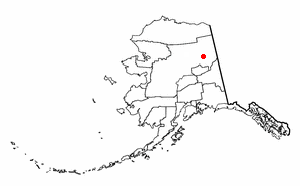
Circle is a small, remote community in the interior of Alaska in the United States. Founded as a supply and trading point during the late 19th-century gold rush, it retains much of its frontier character. Locals and guidebooks sometimes describe Circle as a terminus for long overland travel routes; the town’s isolation, historic buildings and seasonal rhythms make it a widely cited example of Alaska's interior settlements. For a general introduction see Circle, Alaska.
Image gallery
5 Images


History
Circle began in 1893 after gold was discovered on nearby Birch Creek. Prospectors and merchants established stores, saloons and boat landings to serve placer miners working the creeks and river flats. The name "Circle" came from an early mistaken belief among miners that the settlement lay on the Arctic Circle; in reality the true Arctic Circle is roughly 50 miles (about 80 km) to the north. Over time Circle became a supply hub for surrounding mining camps and a stop for river steamers and stage routes.
Geography and access
Located in Alaska’s interior, Circle sits near river and creek systems that were vital during the gold rush era. Access today is seasonal and varied: in summer small planes and river traffic can reach the area, while winter roads and snow travel connect it to regional routes. The town experiences a subarctic climate, with long, cold winters and short, warm summers—conditions that shaped both historical commerce and modern daily life.
Economy, culture and events
Circle’s contemporary economy blends subsistence activities, limited tourism and ongoing small‑scale prospecting. Residents practice hunting, fishing and wood gathering alongside local enterprises. Each February Circle serves as an important checkpoint in the long‑distance Yukon Quest sled dog race, an event that underscores the community’s continuing ties to traditional winter travel and dog‑sledding culture.
Features and notable facts
- Founded as a gold rush supply town in 1893, connected historically to Birch Creek prospecting.
- Named by miners who believed it lay on the Arctic Circle, though it is actually some distance south.
- Serves as a Yukon Quest checkpoint each winter, marking its role in long‑distance sled dog racing.
- Remains remote with a small population and a landscape shaped by river systems and permafrost‑influenced terrain.
Today Circle is valued for its historical associations with Alaska’s gold rush era and for the living traditions of interior Alaska life. Visitors and researchers interested in frontier history, northern ecology and sled dog culture often use Circle as an example of a continuing, if tiny, community shaped by geography, resource use and seasonal access. For additional overviews and resources see Circle and regional summaries of Alaskan interior settlements (United States references).
Related articles
Author
AlegsaOnline.com Circle, Alaska Leandro Alegsa
URL: https://en.alegsaonline.com/art/20436