
Chishti Order (Chishtiyya): A Sufi Tradition of Love and Service
The Chishti Order is a Sufi school founded in the 10th century known for love, tolerance, devotional practice and service. It became especially influential in South Asia through saints like Moin‑ud‑din Chishti.
The Chishti Order, often called the Chishtiyya, is a Sufi school within the Islamic mystical tradition noted for its emphasis on love, tolerance, and service to humanity. It traces its earliest formation to the small town of Chisht, near the city of Herat in what is now Afghanistan, in the roughly 10th century. Unlike some Sufi currents that emphasize esoteric ritual, the Chishti approach stresses accessible devotion, ethical conduct, and care for the poor as means to spiritual realization.
Image gallery
7 Images




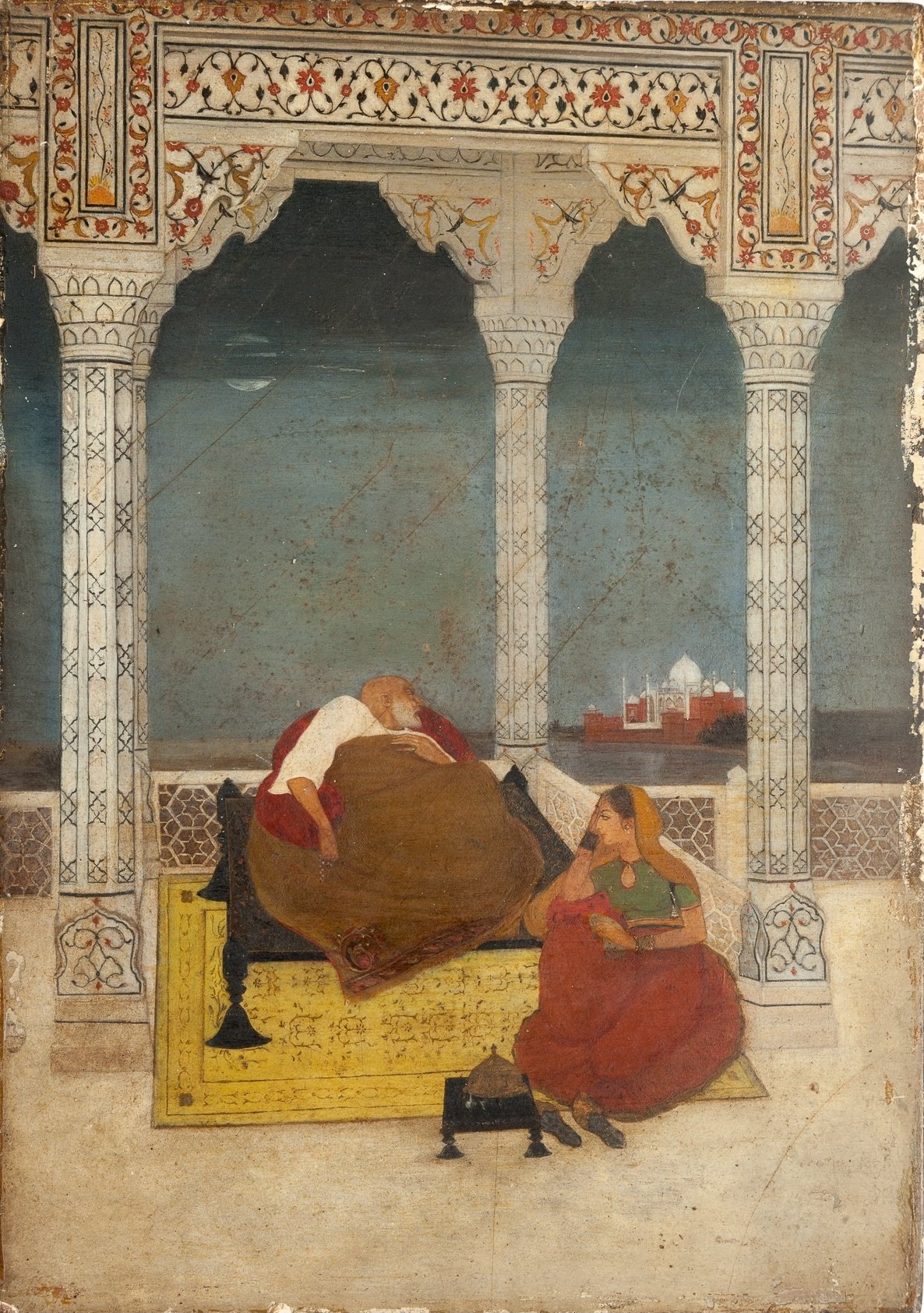

Origins and early development
The lineage of the order is commonly traced to a Syrian mystic who established a circle of disciples in Chisht. Over the following centuries the Chishti silsila (spiritual chain) was transmitted across Central Asia and into the Indian subcontinent. Its most influential medieval proponent in South Asia was Moin‑ud‑din Chishti, who is credited with establishing strong devotional centers in cities such as Ajmer and with fostering a model of saintly leadership that combined spiritual teaching with public service. Other urban centers where the order took root included Lahore in the region historically known as Punjab.
Core teachings and practices
Chishti practice emphasizes direct love of God expressed through humility, generosity, and remembrance. Common features include the sama (listening to devotional music and poetry), communal prayer, and practical charity. Followers often gather around a spiritual guide (a pir or sheikh) who provides instruction in spiritual disciplines and ethical living. Many Chishti centers became renowned for feeding the needy and offering shelter, making social welfare a central aspect of their work.
Geographic spread and organization
While originating in Central Asia, the Chishti Order became especially prominent across South Asia. From medieval India its influence extended beyond the subcontinent in the modern era: established communities and study circles now exist in Europe, North America, and Australia, reflecting patterns of migration from India and Pakistan. The order is not a single centralized institution but a network of hospices, shrines, and lineages that vary by region and senior teacher.
Influence and cultural role
The Chishti tradition has had a lasting cultural impact in areas where it took root. Its shrines became focal points for intercommunal gatherings, poetry, and musical forms such as qawwali that blend Persian, Arabic and local languages. The annual commemorations of saints (urs) draw diverse participants and have helped shape local devotional life. In the medieval period the Chishti emphasis on service and accommodation of local customs contributed to the order’s broad social acceptance.
Distinctive features and modern presence
- Emphasis on love and tolerance: Spiritual progress is framed primarily in terms of love for God and compassion for others.
- Service to humanity: Feeding the poor and community care are institutionalized practices.
- Devotional culture: Music, poetry and public gatherings play a central role in worship and teaching.
- Diaspora communities: The order’s teachings continue in migrant communities across Europe, North America and Australia, maintaining links with traditions from India and Pakistan.
Because the Chishti Order is best understood as a living spiritual tradition rather than a rigid organization, its practices and social role vary widely from one region to another. Nevertheless, its foundational commitments—to love, humility and practical compassion—remain central to its global reputation.
Related articles
Author
AlegsaOnline.com Chishti Order (Chishtiyya): A Sufi Tradition of Love and Service Leandro Alegsa
URL: https://en.alegsaonline.com/art/19841
Sources
- dargahsharif.com : ORIGIN OF CHISHTIES