
Ajmer (historic city in Rajasthan, India)
Ajmer is a historic city in Rajasthan, India, known for the Ajmer Sharif Dargah, medieval forts and lakes. Founded as Ajayameru by the Chahamanas, it is the district headquarters and a regional pilgrimage center.
Ajmer is a city located in the state of Rajasthan in India. It serves as the administrative headquarters of Ajmer district and occupies a central position in the region both geographically and culturally. Set in the basin of the Aravalli Range, Ajmer has long been a meeting point for trade, religion and scholarship.
Image gallery
10 Images
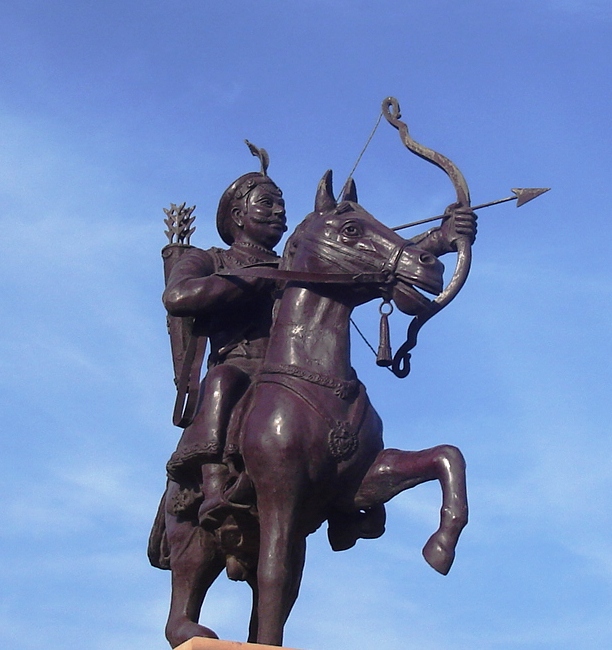


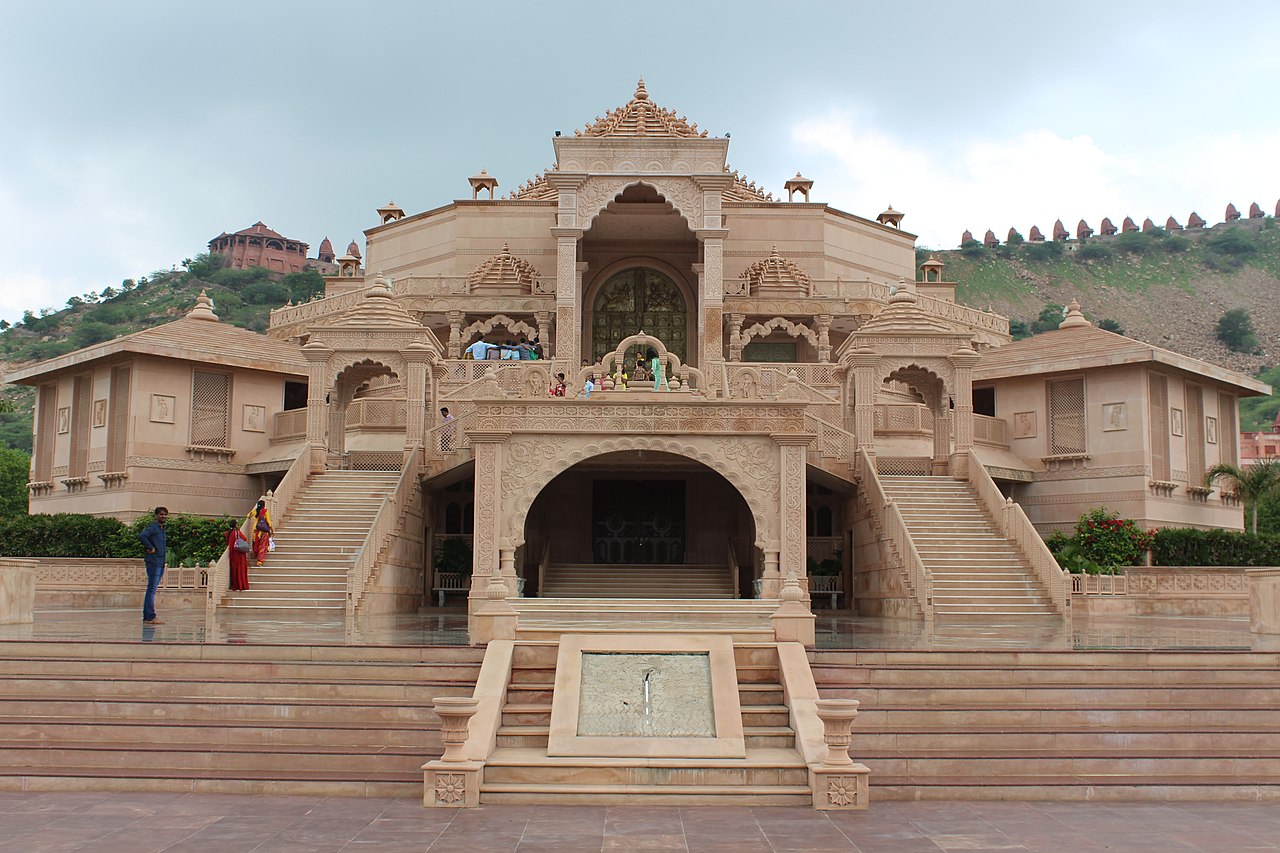


History
The settlement that became Ajmer was originally known as Ajayameru and was established by a ruler of the Chahamana (Chauhan) dynasty, named in different sources as Ajayaraja I or Ajayaraja II. It served as a capital for the Chahamanas until the later medieval period. Over centuries the town came under several rulers and influences, including early Islamic rulers who left distinctive architectural and cultural marks. Modern municipal administration dates from the 19th century, when Ajmer was constituted as a municipality.
Landmarks and culture
Ajmer is renowned as a religious and historic destination. Its most famous shrine is the Ajmer Sharif Dargah, the tomb of the Sufi saint Moinuddin Chishti, which draws pilgrims of many faiths, especially during the annual Urs festival. Other principal sites include archaeological and architectural monuments from different eras.
- Ajmer Sharif Dargah — a major Sufi pilgrimage site and cultural focal point.
- Adhai Din Ka Jhonpra — an early mosque with pre-Islamic and early Islamic phases.
- Taragarh Fort — a hill fort overlooking the city, with medieval defensive works.
- Ana Sagar Lake — a historic artificial lake and popular recreational area.
- Mayo College — one of India’s older boarding schools, noted for its colonial-era campus.
Geography, administration and development
Ajmer lies amid the lower hills of the Aravalli range, which surround and shelter the city. It has been an administrative municipality since the 19th century and continues to function as the district headquarters. In recent years Ajmer has been included in national urban improvement programs focused on heritage conservation and infrastructure, reflecting its dual character as a living city and a repository of historic buildings.
Economy and access
Tourism connected to religious pilgrimage and historical tourism is a core part of the local economy, supported by education, small industries and services. Ajmer is well connected by road and rail to regional centers and lies near the pilgrimage town of Pushkar. Its transport links make it an important hub for visitors and for movement of goods within central Rajasthan.
Questions and answers
Q: Where is Ajmer located?
A: Ajmer is located in Rajasthan, India.
Q: What is Ajmer the headquarters of?
A: Ajmer is the headquarters of the Ajmer district.
Q: Who established Ajmer?
A: Ajmer was established by a Chahamana ruler, either Ajayaraja I or Ajayaraja II.
Q: Until when did Ajmer serve as the capital of the Chahamana rulers?
A: Ajmer served as the capital of the Chahamana rulers until the 12th century CE.
Q: What is the geographic feature that surrounds Ajmer?
A: Ajmer is surrounded by the Aravalli Mountains.
Q: Since when has Ajmer been a municipality?
A: Ajmer has been a municipality since 1869.
Q: Why has Ajmer been selected as one of the heritage cities for the HRIDAY and Smart City Mission schemes of the Government of India?
A: Ajmer has been selected as one of the heritage cities for the HRIDAY and Smart City Mission schemes of the Government of India because of its cultural heritage and historical significance.
Related articles
Author
AlegsaOnline.com Ajmer (historic city in Rajasthan, India) Leandro Alegsa
URL: https://en.alegsaonline.com/art/1759
Sources
- lonelyplanet.com : "Ajmer travel - Rajasthan, India"
- youtube.com : "Ajmer Sharif Dargah, Rajasthan - Ramadan 2019 Special - Divine India"
- tripadvisor.in : tripadvisor.in/