
Christadelphians
A 19th-century, Bible-centered Christian movement, non‑Trinitarian and lay-led, emphasizing resurrection, the coming Kingdom, baptism by immersion and congregational autonomy; present worldwide in small communities.
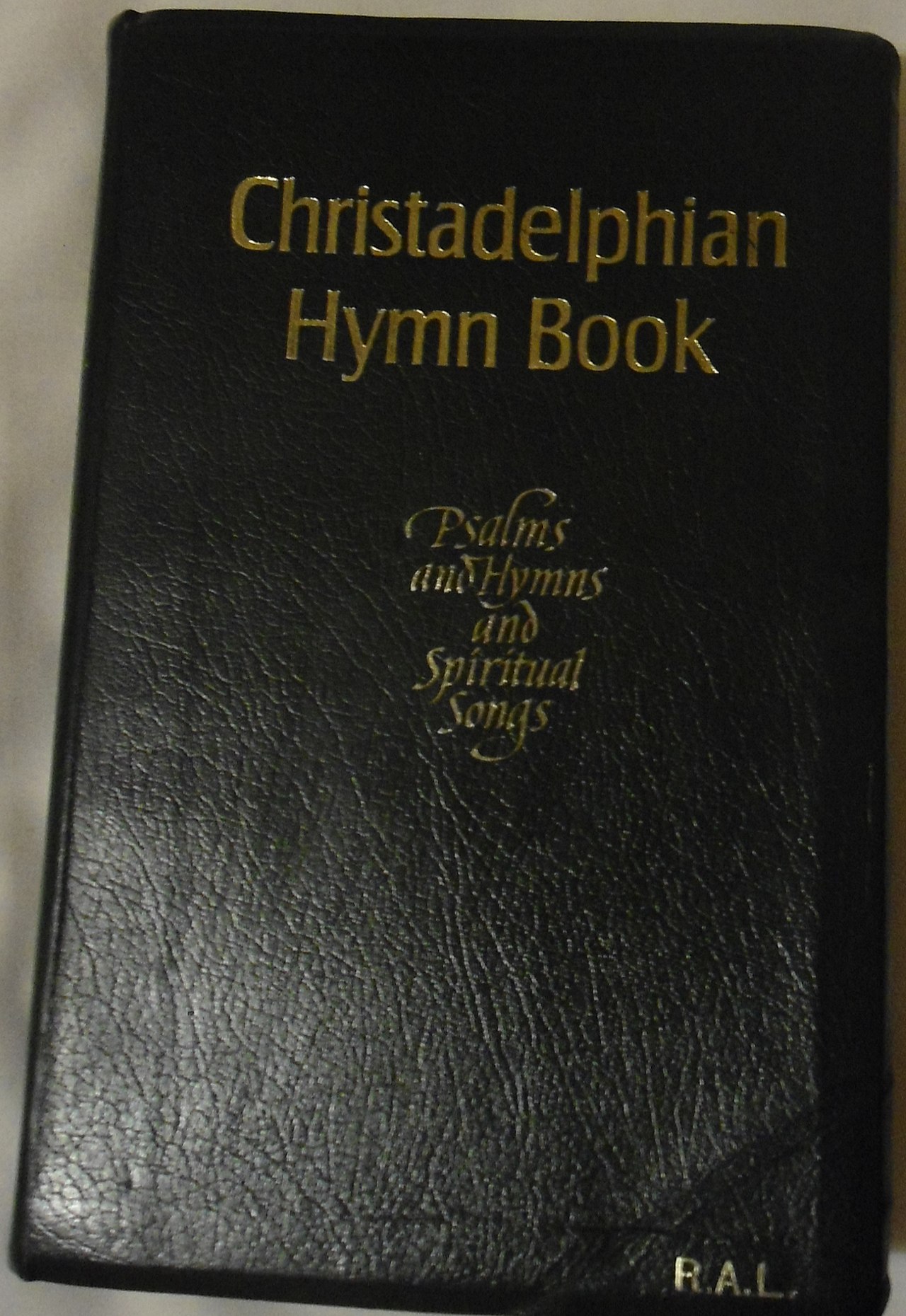
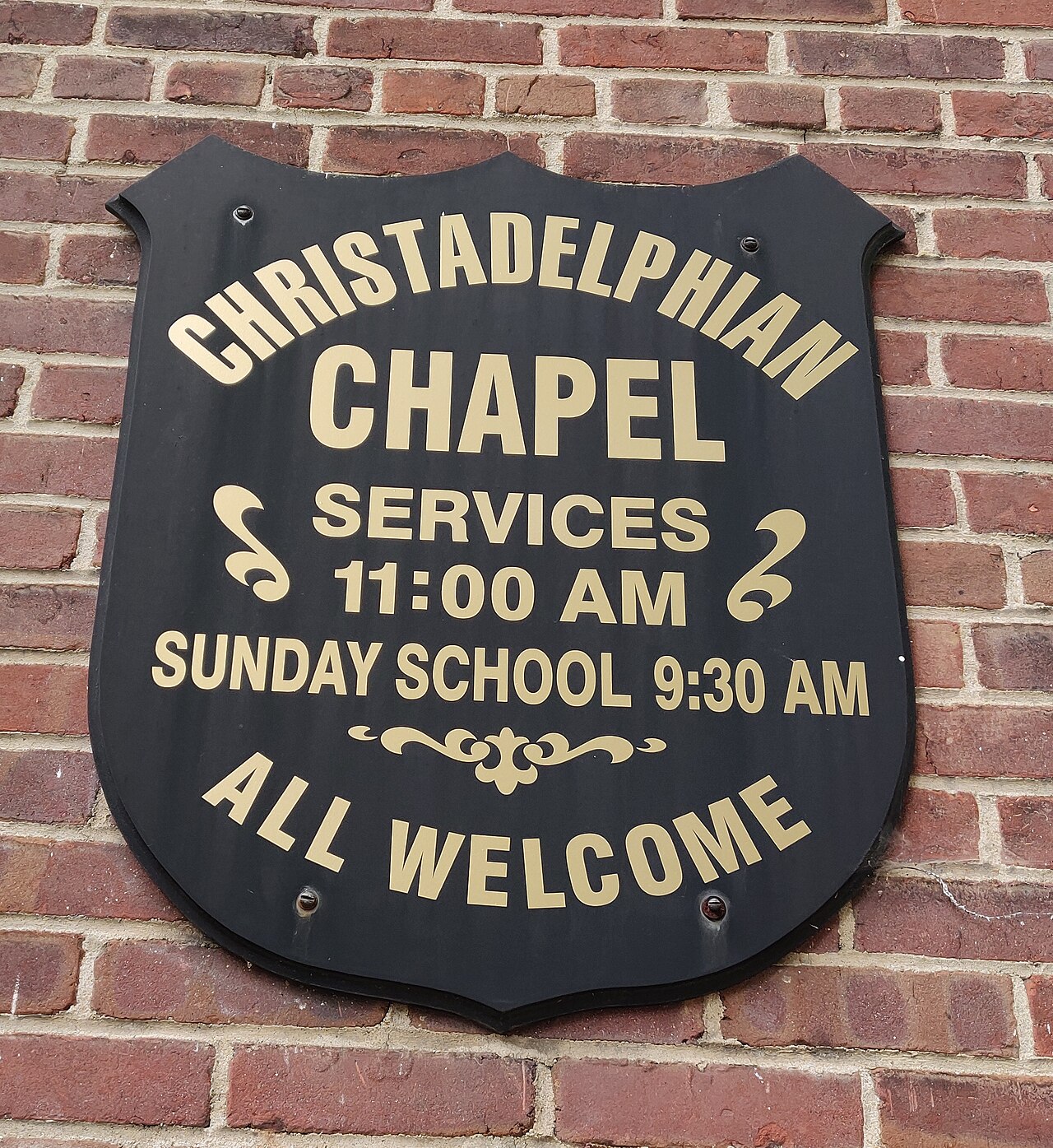
The Christadelphians are a Christian movement that arose in the 19th century in the United Kingdom and the United States. Often called Brothers of Christ or Christ's Brethren, they describe themselves as a fellowship of believers committed to studying the Bible and applying its teachings. While John Thomas is widely regarded as the principal early organizer, adherents regard him as a teacher rather than a founding authority to be venerated. Contemporary estimates place the worldwide membership in the tens of thousands, with communities concentrated in Britain, Australia, Africa and North America.
Image gallery
6 Images



Beliefs and distinctive doctrines
Christadelphian theology is characterized by a few distinctive positions that set it apart from many mainstream Christian denominations. They are generally non‑Trinitarian and hold a unitarian view of God, seeing Jesus as the promised Messiah and Son of God but not as a co‑equal person of a three‑person Godhead. Many Christadelphians teach conditional immortality: that the human soul is not inherently immortal and that eternal life is given by God at the resurrection and judgment. Their hope centers on a future resurrection of the dead and the establishment of God’s Kingdom on earth.
- Scripture-centered: Emphasis on careful Bible study and literal interpretation of prophetic passages.
- Non‑Trinitarian: Rejection of the doctrine of a triune God.
- Resurrection and judgment: Belief in a future bodily resurrection rather than an immortal human soul.
Practices, worship and organization
Worship is simple and Bible-based. Common practices include baptism by full immersion upon a credible profession of faith, weekly observance of the Lord’s Supper (breaking of bread) and public readings and exhortations drawn from Scripture. Christadelphian congregations are typically lay‑led: there is no formal clergy class, and ministers or readers are volunteers from within the membership. Each local congregation is autonomous, making its own decisions about membership, discipline and outreach.
Typical internal arrangements and customs include:
- Local autonomy with voluntary cooperation between congregations.
- No established liturgy beyond Bible readings, prayer and the memorial meal.
- Strong emphasis on education, Sunday schools and adult Bible classes.
Christadelphians have historically been active in publishing Bible studies, journals and pamphlets to explain their understanding of Scripture and prophecy. They also have a record of conscientious objection in wartime on the basis of religious conviction, though attitudes can vary among members.
For more information on denominational identity and history see denominational overview, early historical background, and regional accounts originating in the United Kingdom and the United States. The movement maintains a modest global presence with active local ecclesias and study groups in a number of countries.
Questions and answers
Q: What is the Christadelphians denomination?
A: The Christadelphians are a Christian denomination that developed in the United Kingdom and the United States in the 19th century.
Q: What are some other names for the Christadelphians?
A: Other names for the Christadelphians include Brothers of Christ and Christ's Brethren.
Q: Who is considered the founder of the Christadelphians?
A: The Christadelphians were in effect founded by John Thomas.
Q: How do Christadelphians view John Thomas in relation to other teachers?
A: Christadelphians do not consider John Thomas greater than any other teacher.
Q: How many Christadelphians are there today?
A: Today, there are about 55,000-60,000 Christadelphians.
Q: What are some countries where many Christadelphians live?
A: Many Christadelphians live in Britain, Australia, Africa, and the United States.
Q: Is the Christadelphians denomination recognized worldwide?
A: There is no mention in the text that the Christadelphians denomination is recognized worldwide.
Related articles
Author
AlegsaOnline.com Christadelphians Leandro Alegsa
URL: https://en.alegsaonline.com/art/20054