
Herat: historic city of western Afghanistan
Herat, a major city in western Afghanistan, is the capital of Herat Province. Renowned for its medieval architecture, cultural legacy, and role on trade routes, it remains a regional economic and cultural center.
Herat is a major city in western Afghanistan and the administrative center of Herat Province. Its Persian name is noted in local sources (Herāt). The city lies near Afghanistan's western frontier and has long served as a regional hub for trade and culture; it is often described as the country's third-largest city. Herat's location is commonly referenced in national overviews (Afghanistan) and provincial profiles (Herat Province).
Image gallery
10 Images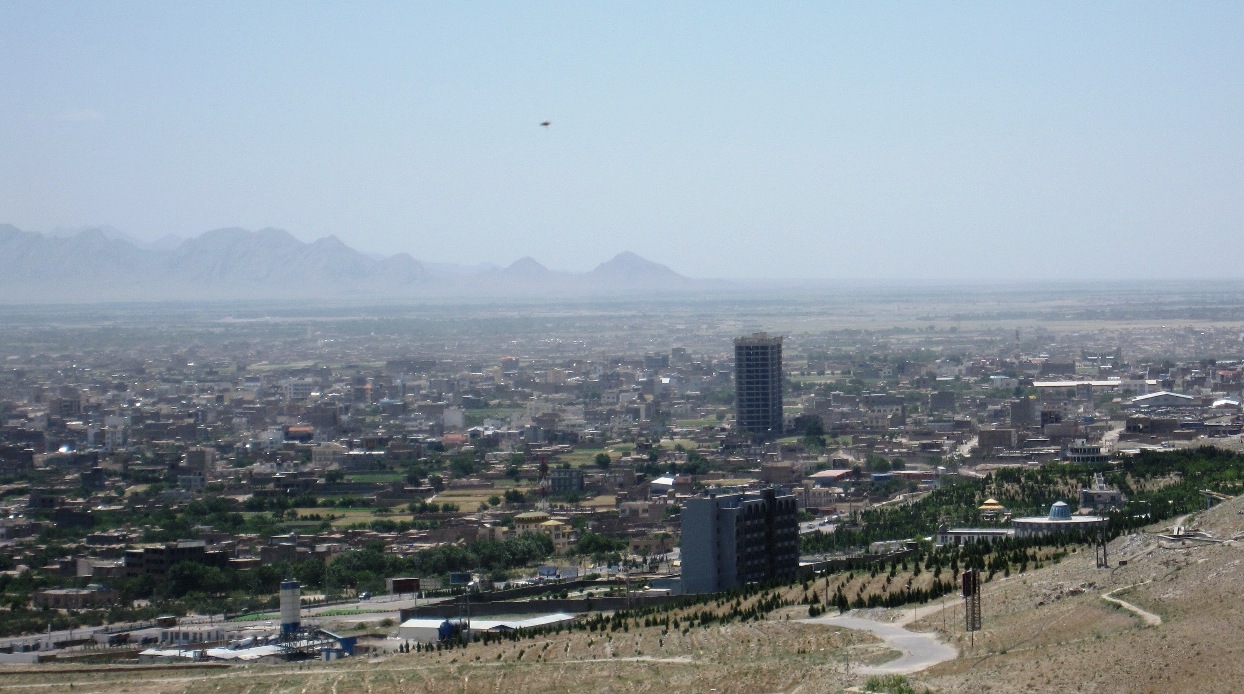


Geography and population
Situated in an agricultural plain watered historically by the Hari River, Herat occupies a strategic position in the west of the country (western Afghanistan), close to the border with Iran (Iran). Population figures vary by source and year; a widely cited estimate from 2012 placed the number near 436,300. The urban area combines historic neighborhoods and newer districts, and serves surrounding rural communities.
Landmarks and characteristics
- Friday Mosque (Masjid-e Jami): A celebrated example of Islamic architecture with tilework and domes associated with Herat's medieval prosperity.
- Citadel (Arg): A fortified core that has been rebuilt at different times and symbolizes the city's long history.
- Art and crafts: Herat is known for carpet weaving, manuscript traditions and a historic school of Persian miniature painting.
History and cultural importance
Herat's history stretches back many centuries; it became an important stop on east–west trade routes that later came to be called the Silk Road. During the medieval period, especially under Timurid patronage, the city was a vibrant center of Persian literature, architecture and the visual arts. The so-called Herat school of miniature painting and manuscript illumination contributed to the region's cultural reputation. The local spoken variety of Persian is often called Herati (Herati Persian), a dialect closely related to Dari.
Modern role
Today Herat functions as a regional economic center. Its marketplace links traders with neighboring Iran and beyond, and the surrounding province produces agricultural goods and artisanal products. The city contains administrative institutions, transport connections including an airport, and educational and cultural organizations that continue to promote Herat's long-standing artistic traditions.
Questions and answers
Q: Where is Herat located?
A: Herat is located in Afghanistan, in the west of the country near the border of Iran.
Q: How many people live in Herat?
A: As of 2012, about 436,300 people live in Herat.
Q: What is the capital of Herat Province?
A: The capital of Herat Province is Herat city.
Q: What is the spoken language in Herat?
A: The spoken language in Herat is Herati Persian, which is also known as just Herati.
Q: What is the size of Herat compared to other cities in Afghanistan?
A: Herat is the third-largest city in Afghanistan.
Q: When was the last population count in Herat?
A: The last population count in Herat is not specified in the text.
Q: Is Herat in the eastern or western region of Afghanistan?
A: Herat is in the western region of Afghanistan.
Related articles
Author
AlegsaOnline.com Herat: historic city of western Afghanistan Leandro Alegsa
URL: https://en.alegsaonline.com/art/43677
Sources
- cso.gov.af : "Settled Population of Herat province by Civil Division, Urban, Rural and Sex-2012-13"
- avesta.org : avesta.org/vendidad/vd1sbe.htm
- wdl.org : "The Empire and Expeditions of Alexander the Great"
- iranicaonline.org : iranicaonline.org/articles/herat-ii
- britannica.com : britannica.com/place/Herat-Afghanistan
- books.google.com : books.google.com/books?id=FApipiENsgwC&pg=PA98&lpg=PA98&dq=herat+uprising+1979&source=bl&…
- books.google.com : books.google.com/books?id=ZOlNv8MAXIEC&pg=RA2-PA817&lpg=RA2-PA817&dq=inhabitants+of+herat…