
Chesterfield, Derbyshire: market town, history, landmarks and transport
Chesterfield is a large market town and borough in Derbyshire, England, noted for its medieval market, Roman origins, the crooked spire and strong road and rail connections across the East Midlands.
Overview
Chesterfield is a market town and borough administrative area in the county of Derbyshire within the East Midlands region of England. It lies where the Rivers Rother and Hipper meet and is the largest town in Derbyshire; the city of Derby retains separate city status as a city. Modern Chesterfield functions as a commercial, civic and transport hub for the surrounding towns and villages.
Image gallery
10 Images




History and development
The origins of settlement at Chesterfield reach back to the Roman period, with activity on the site from around 70–100 AD and continued occupation through the medieval era. The town received a formal market charter from King John in 1204 which established its market rights, and a market tradition continues to be part of its local economy. Over subsequent centuries Chesterfield grew around trade, local industry and its position on north–south routes.
Landmarks and character
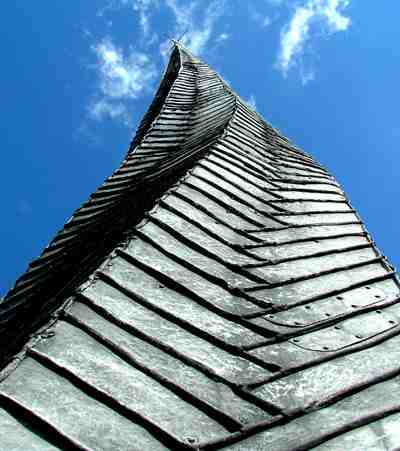
Chesterfield's best known landmark is the Church of St Mary and All Saints, celebrated for its "crooked spire" — a twisted, leaning steeple that has become a local emblem and the source of several traditional legends. The town centre retains market streets, historic buildings and civic architecture, while nearby canals and parks add to the town’s character. The local professional football club, Chesterfield F.C., are commonly known as the Spireites in reference to the spire and the town's identity in football.
Transport and connections
Chesterfield sits on the trunk route between Derby and the north, located on the A61; it is about 24 miles north of Derby and 11 miles south of Sheffield, with the market town of Thirsk further to the north in North Yorkshire. The town is approximately 6 miles from the M1 motorway, giving quick road access across the Midlands.
- Rail: Chesterfield railway station is on the Midland Main Line and provides services operated by CrossCountry and other operators.
- Long-distance links: trains run to London, Sheffield, Nottingham, and beyond to Birmingham, the North East, Scotland and Cornwall.
Economy, culture and modern life
Chesterfield combines retail and service industries with light manufacturing and cultural amenities. Its weekly markets, local festivals and civic events continue to draw visitors. The borough's estimated population in 2019 was around 104,900, reflecting its role as a centre for employment, education and local government in the region.
Notable points and further reading
When distinguishing Chesterfield from nearby settlements, remember it is a historic market town with a distinctive spire and well developed transport links. For additional background on administrative status, local attractions and transport timetables consult local council and transport pages via links to relevant pages and authorities market information, borough services or regional guides for the East Midlands.
Related places and references: Derbyshire, Derby, Sheffield, North Yorkshire, roads such as the M1 and trunk routes like the A61, and rail services by operators including CrossCountry. For local sporting culture see Chesterfield F.C. and for historic context see records referring to King John’s 1204 charter and medieval markets.
Related articles
Author
AlegsaOnline.com Chesterfield, Derbyshire: market town, history, landmarks and transport Leandro Alegsa
URL: https://en.alegsaonline.com/art/19379