
Derbyshire: landscape, history and cultural highlights of an English county
Derbyshire is an East Midlands county of England noted for the Peak District, Pennine uplands, industrial heritage, stately houses and a diverse rural landscape popular with visitors and walkers.
Overview
Derbyshire is a county in the East Midlands of England. It is characterised by contrasts between high moorland, limestone dales and lowland agricultural areas. Much of the county’s identity is shaped by the presence of the Peak District, which provides extensive opportunities for walking, climbing and other outdoor recreation.
Image gallery
10 Images



Geography and geology
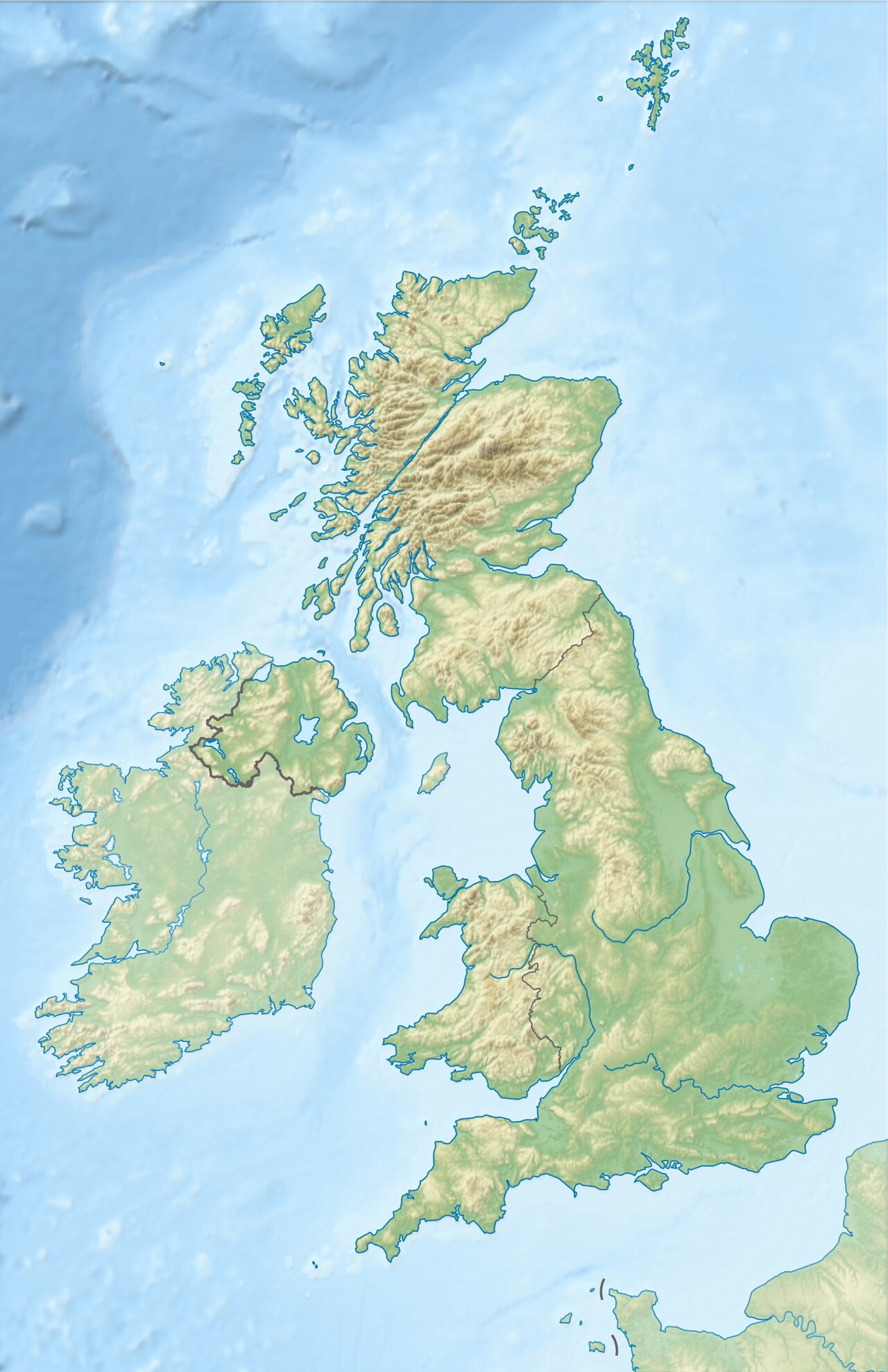
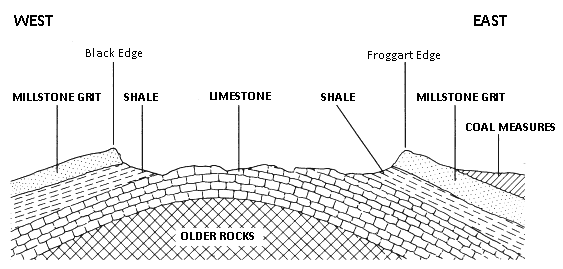
The northern and western parts of the county rise into the Pennines, a long upland spine that influences climate and land use. Derbyshire’s geology is varied: gritstone plateaux, millstone edges and dramatic limestone dales with caves and sinkholes. Limestone areas have yielded mineral veins and decorative stones such as Blue John fluorite that are well known in local craft and geology circles. Rivers and reservoirs cut through the landscape, creating distinct valleys and habitats.
History and industrial development
Evidence of prehistoric activity, medieval settlements and enclosed farmland can be found across Derbyshire. From the early modern period onwards the county became important for mining (including lead) and for early textile manufacture. In the late 18th and 19th centuries water-powered mills and later steam-driven factories helped make the county a notable location in the Industrial Revolution. The county town, Derby, grew into a centre for engineering and transport-related industries, including railway and automotive developments.
Culture, estates and notable places
Derbyshire contains market towns, historic villages and several large country houses and gardens that attract visitors. Stately homes and historic estates illustrate the region’s landed past and are often open to the public seasonally. Town centres combine traditional markets, local crafts and hospitality that support rural economies and tourism. Important visitor sites sit within easy reach of urban centres as well as quieter upland areas.
Boundaries and neighbouring areas
The county borders a number of other English counties and metropolitan areas, which influences commuting and cultural links. To the west it meets Greater Manchester and Cheshire, to the north it adjoins West Yorkshire and South Yorkshire, and to the east and south it meets Nottinghamshire, Leicestershire and Staffordshire. These boundaries reflect historical trade routes and modern travel patterns.
Economy and transport
Today the county’s economy combines tourism, light manufacturing, agriculture and service industries. Transport corridors and rail links connect Derbyshire to neighbouring cities and support commuting as well as freight. Rural areas remain important for food production, while visitor services, guided walking and outdoor-activity providers contribute to the local economy.
Conservation, wildlife and recreation
Large areas of Derbyshire are designated for conservation and recreation to protect upland habitats, limestone flora and historic landscapes. Parts of the county lie within national and local protected areas that aim to balance visitor access with wildlife protection. Recreational provision includes waymarked trails, visitor centres and managed access to moorland and dales, and many organisations work to maintain footpaths, hedgerows and traditional stone walls.
Visitor information and practical tips
- Outdoor activities: popular pursuits include hillwalking, climbing, cycling and caving in accessible areas of the county and the national park.
- Heritage and culture: visitors can explore historic houses, local museums and preserved industrial sites that tell the story of regional development.
- Markets and local produce: weekly markets and village fairs offer regional foods and crafts; local producers are an important part of the rural economy.
- Access: major roads and rail services provide links with neighbouring regions; quieter lanes and public rights of way allow exploration on foot and by bicycle.
Derbyshire thus offers a compact example of English upland and lowland variety: scenic national parkland, distinct geological features, an industrial legacy and enduring rural communities. Its combination of natural attractions and historic sites makes the county a frequent subject for regional studies and a popular destination for short breaks and outdoor pursuits.
Questions and answers
Q: What region of England is Derbyshire located in?
A: Derbyshire is located in the East Midlands of England.
Q: What national park lies within Derbyshire?
A: A large part of the Peak District National Park lies within Derbyshire.
Q: Where does the northern part of Derbyshire overlap with?
A: The northern part of Derbyshire overlaps with the Pennines, a famous chain of hills and mountains.
Q: Does Derbyshire contain any national forests?
A: Yes, it contains part of the National Forest.
Q: What other counties border on Derbyshire?
A: Greater Manchester, West Yorkshire, South Yorkshire, Nottinghamshire, Leicestershire, Staffordshire and Cheshire all border on Derbyshire.
Q: Is there anything special about the Pennines that overlap with the northern part of Derbyshre?
A: Yes, they are a famous chain of hills and mountains.
Related articles
Author
AlegsaOnline.com Derbyshire: landscape, history and cultural highlights of an English county Leandro Alegsa
URL: https://en.alegsaonline.com/art/26758