
Market town
A market town is a settlement granted the legal right to hold regular markets; historically central to local trade, urban growth, and community life in Europe and similar systems elsewhere.
Overview
A market town is a settlement that, by law or custom, has the right to host regular markets. In much of Europe this status was historically formalized by charters or privileges granted by a monarch, lord, or civic authority. The presence of market rights distinguished such places from smaller villages and from larger urban entities that possessed broader municipal privileges.
Image gallery
10 Images






Key characteristics
- Legal right to hold markets or fairs, often recorded in a charter or grant.
- A designated market day or period when traders, farmers and customers gathered.
- Physical features such as a market square, stalls, or a market cross where trade was centred.
- Economic functions including local exchange of food, livestock, textiles and artisan goods.
- Social and administrative roles — markets were meeting places for news, law, and regulation.
History and development
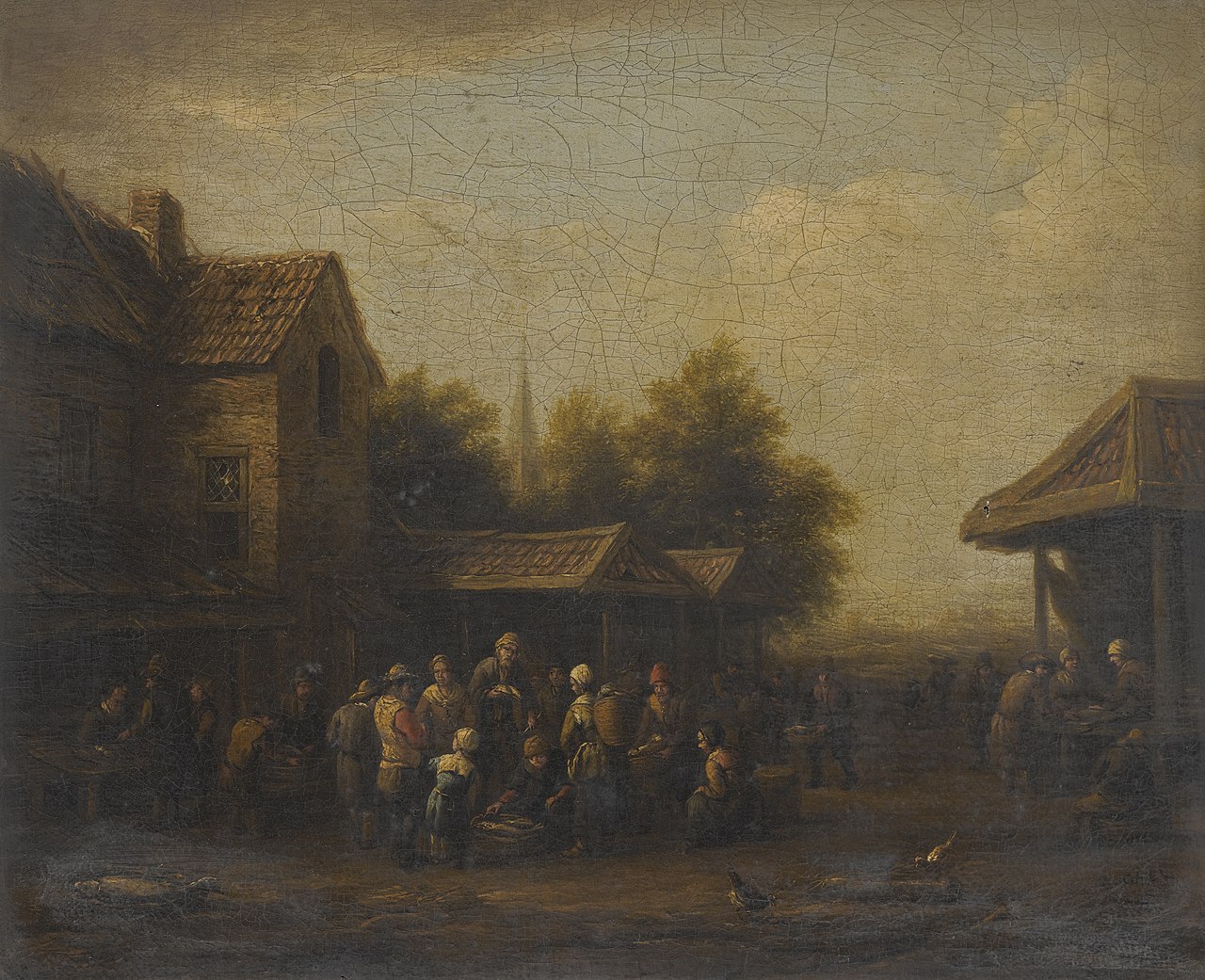
Market towns became widespread in the medieval period when rulers and landowners sought to stimulate local economies, collect tolls and regulate commerce. A grant of market rights often encouraged growth: merchants and craftsmen settled nearby, inns and services appeared, and a permanent population formed. Over time some market towns expanded into larger boroughs or cities as trade diversified and governance structures evolved.
Functions and importance
Markets were the backbone of regional trade networks. They provided rural producers with access to urban consumers and supplied townspeople with food and materials not produced locally. Market days also structured rural life, creating regular rhythms for travel, credit arrangements and information exchange. In many places fairs — periodic, larger-scale markets — supplemented weekly markets and could attract traders from far afield.
Legal status, distinctions and modern legacy
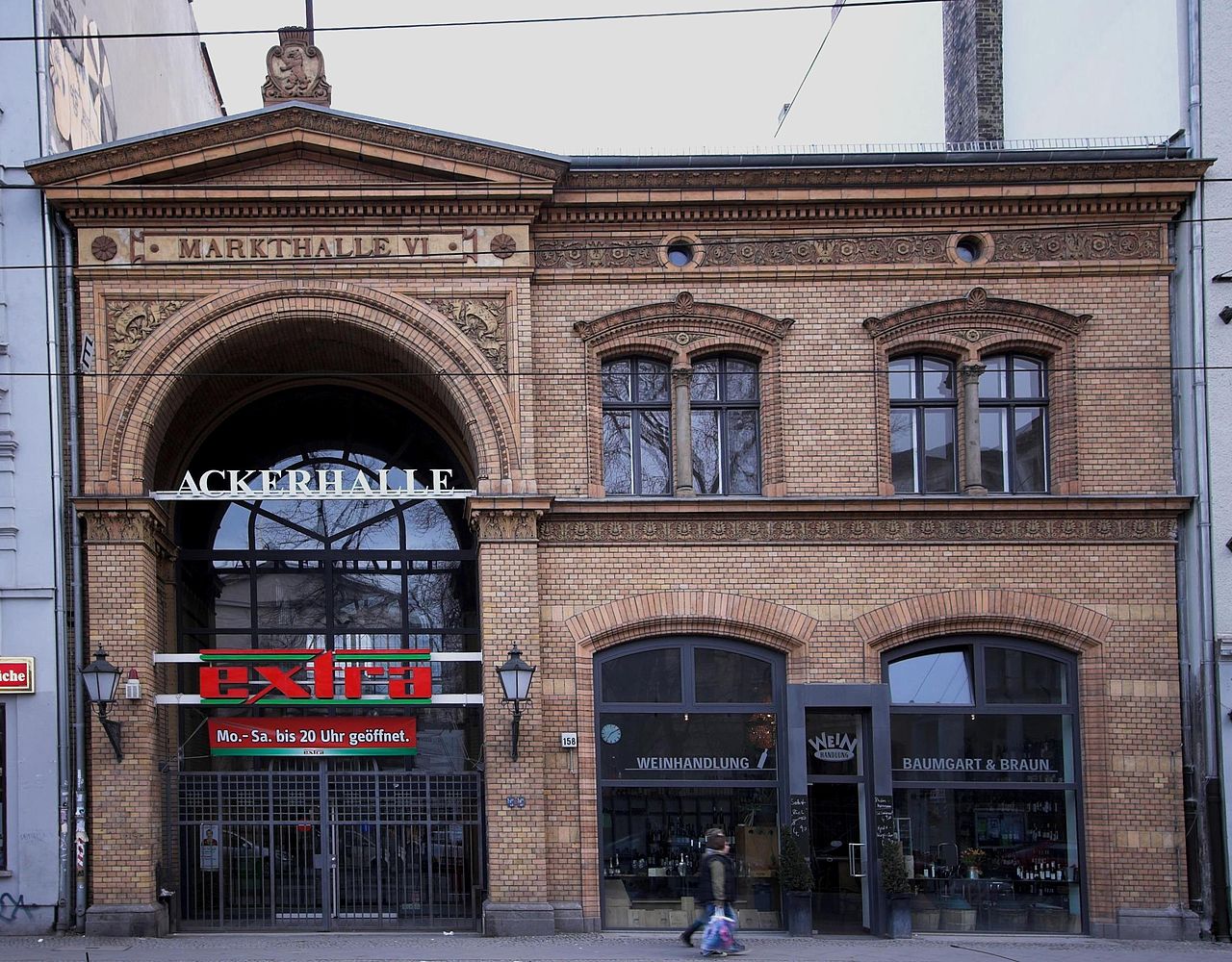
Legal recognition mattered: a place might be called a market town even if market activity diminished, as long as the formal right remained. This legal legacy still affects local identity and sometimes planning law. Distinctions between villages, market towns and cities varied by jurisdiction and era: cities often had broader self-government or cathedral status, while villages lacked market charters. Today many historic market towns retain weekly markets as cultural and economic amenities and are tourist attractions because of their market squares, surviving architecture and local traditions.
Further reading
For regional overviews and examples, see general resources on urban history and rural economies. In particular consult summaries of European market systems and local case studies to understand how market towns shaped settlement patterns. Related topics include urban charters, the history of markets and fairs, comparisons with villages and cities, and legal definitions of a town.
Related articles
Author
AlegsaOnline.com Market town Leandro Alegsa
URL: https://en.alegsaonline.com/art/62123