
North East England — geography, history, economy and culture
Overview of North East England: its counties, landscape, cities, heritage sites, economy and cultural highlights, including national parks, Hadrian's Wall and Durham Cathedral.
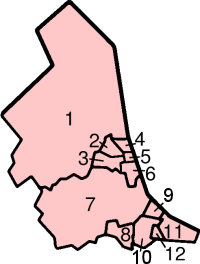
North East England is one of England's nine official regions and occupies the far northeastern corner of the country. It comprises the ceremonial areas of Northumberland, County Durham, the metropolitan county of Tyne and Wear, and a small portion of North Yorkshire. The region is often defined administratively by government statistics and planning documents; see the regional overview for more detail at regional sources. The landscape ranges from rugged moorland and upland plateaus to industrial river valleys and sweeping coastline.
Image gallery
10 Images




Geography and natural features
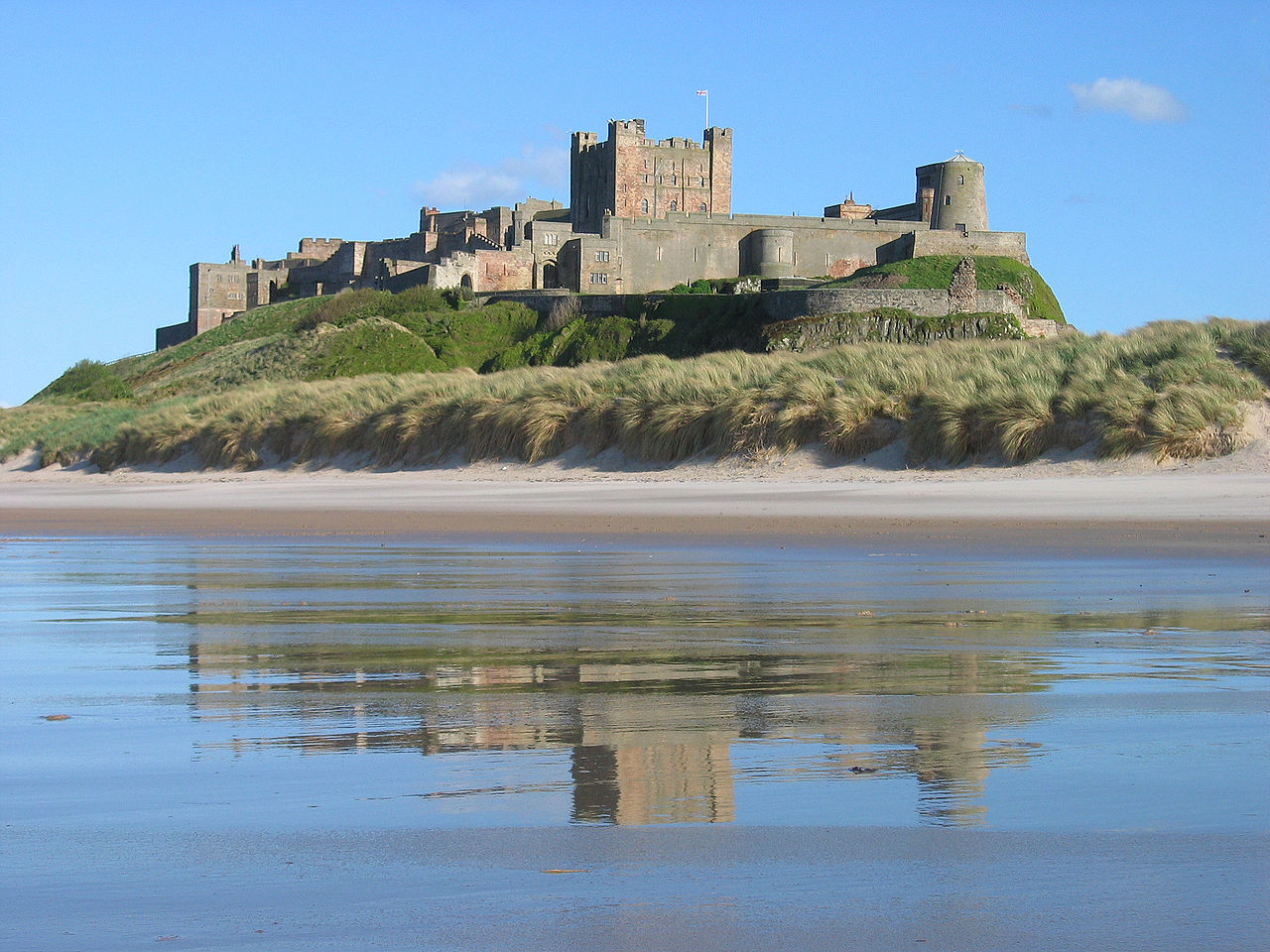
The North East is a geographically varied area. The highest point is The Cheviot in the Cheviot Hills of Northumberland at about 815 m. The region includes part of the Pennines (the Pennines), which form a natural spine running south from the Scottish border, together with Weardale and extensive coastal landscapes. Northumberland National Park and miles of coastline provide important habitats and scenic areas that support tourism and outdoor recreation.
Administrative areas and urban centres
- Northumberland — largely rural with historic castles and the national park.
- County Durham — mixed urban and rural, home to Durham city and its cathedral.
- Tyne and Wear — the metropolitan heart, containing Newcastle and Sunderland.
- North Yorkshire (part) — a small southern portion included in the region.
Newcastle upon Tyne, usually shortened to Newcastle (Newcastle), is the largest city and a cultural and economic hub. Sunderland (Sunderland) is the region's second-largest city. Both cities grew rapidly during the Industrial Revolution as centres for shipbuilding, coal and heavy engineering; in recent decades they have diversified into services, education and technology.
History and heritage
The North East has deep historical roots: from prehistoric settlements to Roman frontier works and medieval ecclesiastical centres. Two of the area's most significant heritage assets are designated as World Heritage Sites: Durham Cathedral and the adjoining monastic complex, and Hadrian's Wall, the long Roman frontier that runs across the northern landscape. For curated information about these designations see World Heritage resources and the specific sites at Durham Cathedral and Hadrian's Wall.
Economy, transport and culture
The region's economy mixes traditional industries with modern sectors: energy (including coastal ports and offshore connections), advanced manufacturing, digital and creative industries, higher education and health services. Transport routes follow historic corridors — major road and rail links connect the area to Scotland and the rest of England — and the Tyne estuary remains an important maritime gateway. Cultural life draws on industrial heritage, Celtic and Anglo-Saxon history, and contemporary arts scenes in cities and towns.
Recreation, notable facts and identity
Residents and visitors enjoy a variety of outdoor activities: hill walking on the Cheviots and the Pennines, coastal walking, wildlife watching and heritage trails along Hadrian's Wall. The region is noted for its strong local identity, dialects and community traditions. Its mix of dramatic natural scenery, preserved historic sites and regenerated urban centres makes North East England distinctive within the United Kingdom.
Questions and answers
Q: What is North-East England?
A: North-East England is one of the nine official regions of England and includes the combined area of Northumberland, County Durham, Tyne and Wear, and a small part of North Yorkshire.
Q: What is the highest point in North-East England?
A: The highest point in North-East England is The Cheviot, in Northumberland, at 815m.
Q: What is the largest city in North-East England?
A: The largest city in North-East England is Newcastle.
Q: What is the second-largest city in North-East England?
A: The second-largest city in North-East England is Sunderland.
Q: What is North-East England known for?
A: North-East England is known for its urban centers, natural beauty, and historic importance.
Q: What are some natural attractions in North-East England?
A: Some natural attractions in North-East England include Northumberland National Park, the region's coastline, its section of the Pennines, and Weardale.
Q: What are the UNESCO World Heritage Sites in North-East England?
A: The UNESCO World Heritage Sites in North-East England include Durham Cathedral and Hadrian's Wall.
Related articles
Author
AlegsaOnline.com North East England — geography, history, economy and culture Leandro Alegsa
URL: https://en.alegsaonline.com/art/70866