
Chevak, Alaska
Chevak is a small, predominantly Alaska Native city in western Alaska known for its Cup’ik language, subsistence lifestyle, and remote tundra setting accessible mainly by air and water.
Overview
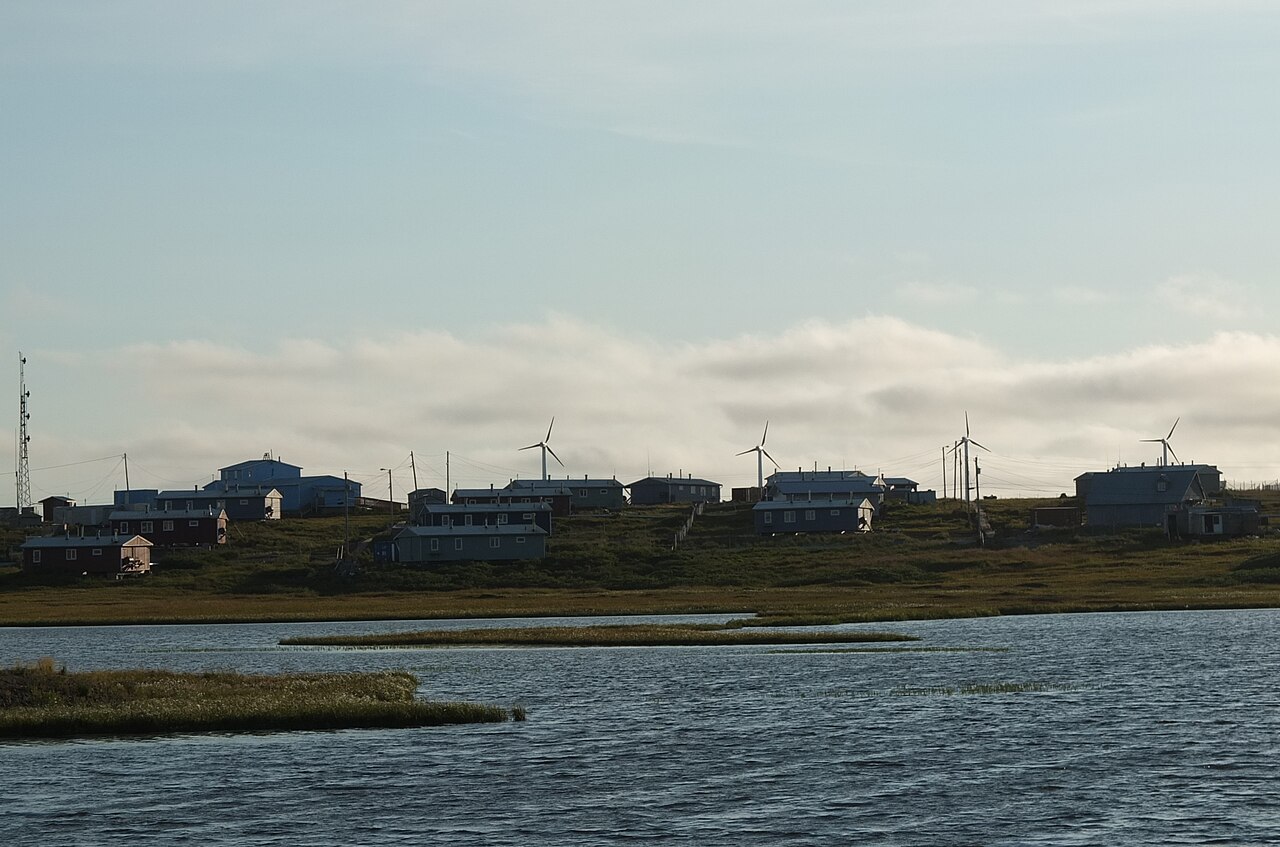
Chevak is a small city in western Alaska within the Kusilvak Census Area. Located on the Yukon-Kuskokwim Delta region’s coastal tundra, it is a remote community with strong ties to Alaska Native heritage. The settlement is primarily inhabited by Cup’ik people and functions as a regional center for nearby villages.
Image gallery
10 Images




Characteristics
- Population and identity: The population is predominantly Alaska Native, with many residents identifying as Cup’ik and preserving traditional customs.
- Language: Cup’ik is widely spoken alongside English; local schools and community programs support bilingualism.
- Climate and landscape: Chevak experiences long, cold winters and short, cool summers typical of tundra and subarctic coastal environments.
Daily life blends subsistence activities—hunting, fishing, and gathering—with wage employment in local government, education and village services. Traditional crafts, songs and dance remain important.
History and development
The area has been occupied by Cup’ik people for generations. Contact with Russian and later American traders and missionaries influenced settlement patterns in the 19th and 20th centuries, and in the 20th century Chevak developed community institutions such as a tribal council and school. It is incorporated under Alaska law and operates both municipal and tribal government structures.
Access, economy and services
There are no road connections to the Alaska highway network; travel is typically by small aircraft, boat, or seasonal overland routes like snowmachine trails. The local economy relies on subsistence harvests, limited commercial fishing and hunting, and employment in education, health and municipal services.
Culture and notable facts
Chevak is noted for its efforts to sustain Cup’ik language and culture, including bilingual education and community celebrations. Visitors and researchers often note the strength of community ties and the central role of subsistence practices. For more information about the community and resources, see Chevak.
Tags
Related articles
Author
AlegsaOnline.com Chevak, Alaska Leandro Alegsa
URL: https://en.alegsaonline.com/art/19388
Sources
- www2.census.gov : "2016 U.S. Gazetteer Files"
- arquivo.pt : "Annual Estimates of the Population for Incorporated Places in Alaska"
- census.gov : census.gov