
University of Virginia: history, campus, academics, and significance
Overview of the University of Virginia: its founding by Thomas Jefferson, Academical Village and Rotunda, academic organization, research and student life, and its cultural and architectural significance.
Overview
The University of Virginia (commonly UVA) is a public research university in Charlottesville, Virginia, United States. Conceived and founded by Thomas Jefferson and established in the early 19th century (chartered in 1819), the institution is noted for its combination of liberal education and professional programs. The university maintains a large undergraduate population alongside graduate and professional schools and hosts a wide range of research initiatives. For official information see the official university website.
Image gallery
10 Images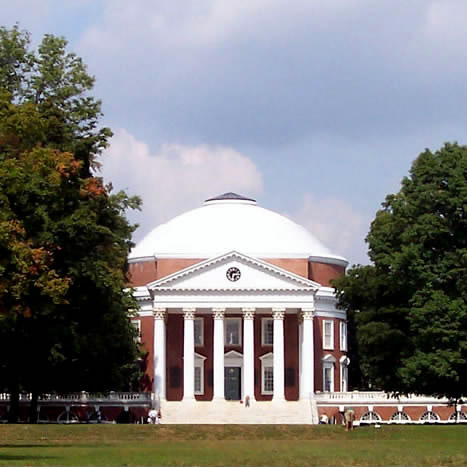




History
Jefferson proposed a new kind of university distinct from colonial-era colleges: a secular institution emphasizing the arts and sciences and student self-governance. From its 19th-century origins the university expanded its curriculum, facilities and student body across multiple disciplines while retaining historical traditions tied to the Lawn and the Rotunda. Over time UVA developed a network of alumni, professional schools and public-facing research enterprises.
Campus and architecture
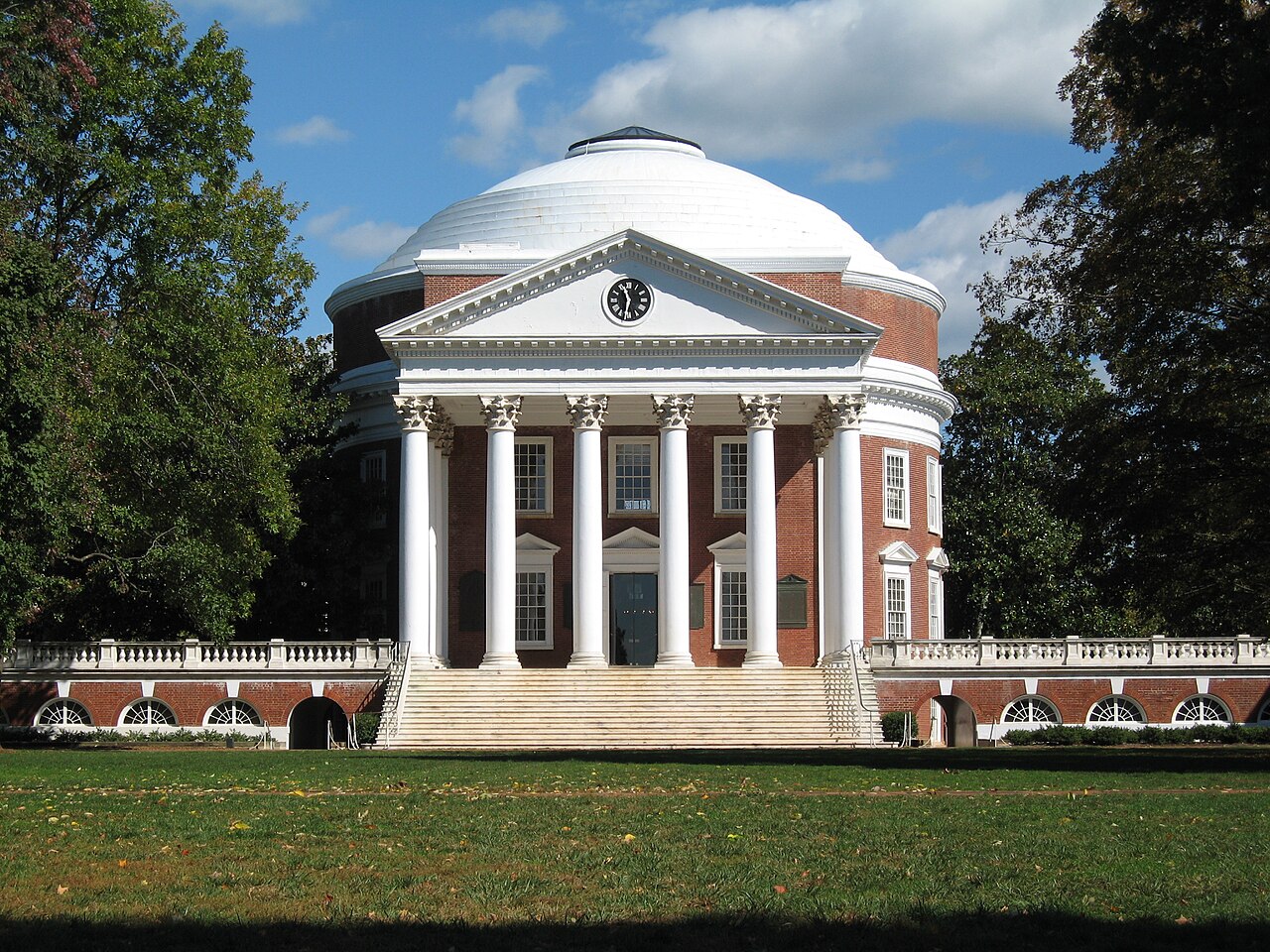
The campus center is the Academical Village: a broad lawn flanked by pavilions, student rooms and faculty structures, with the Rotunda at one end. Jefferson drew inspiration from classical architecture and Enlightenment ideals when planning the layout. That ensemble, together with related Jefferson-designed properties, has been recognized internationally for its architectural and historic importance; consult the UNESCO entry and campus materials such as the official campus guides for descriptions and visitor information.
Organization and academics
UVA is organized into a number of schools and colleges that provide undergraduate, graduate and professional degrees. Notable units include the College of Arts & Sciences, the School of Engineering and Applied Science, the Darden School of Business, the School of Law, and the School of Medicine. The academic portfolio blends broad liberal-arts curricula with vocational and research-oriented programs; program listings and degree requirements are published in the academic catalog.
Research, student life and athletics
The university conducts research across the sciences, engineering, medicine, social sciences and humanities and partners with public and private organizations. Student life features residential colleges, student organizations, cultural programming and longstanding honor and self-governance systems. Athletics teams, known as the Cavaliers, compete at the NCAA Division I level. Further resources on student services, research centers and campus activities are available through student services and research portals.
Significance and visiting
UVA is widely regarded for the integration of its historical architecture with an active research and teaching mission. The Rotunda and Lawn remain central symbols of the university’s origins and ideals. Visitors and researchers can access tours, archival collections and outreach programs through official channels; see the university website and campus visitor information for planning and contacts.
Further reading
- Institutional history and Jefferson’s role
- Architectural descriptions of the Academical Village
- Academic programs and research centers
- Student life, traditions and athletics
Related articles
Author
AlegsaOnline.com University of Virginia: history, campus, academics, and significance Leandro Alegsa
URL: https://en.alegsaonline.com/art/103374
Sources
- whc.unesco.org : "Monticello and the University of Virginia in Charlottesville"