
Monticello: Thomas Jefferson’s Home and Architectural Landmark
Monticello is the plantation house designed and lived in by Thomas Jefferson near Charlottesville, Virginia. It is a National Historic Landmark and part of a UNESCO World Heritage Site, open as a museum and research center.
Monticello was the lifelong home of Thomas Jefferson, situated on a hill near Charlottesville, Virginia. Jefferson designed and remodeled the house over many years, blending classical and Palladian influences into a distinctive neoclassical villa. The estate includes the house, terraces and gardens, agricultural spaces, and the broader plantation landscape, all interpreted today for visitors and researchers.
Image gallery
10 Images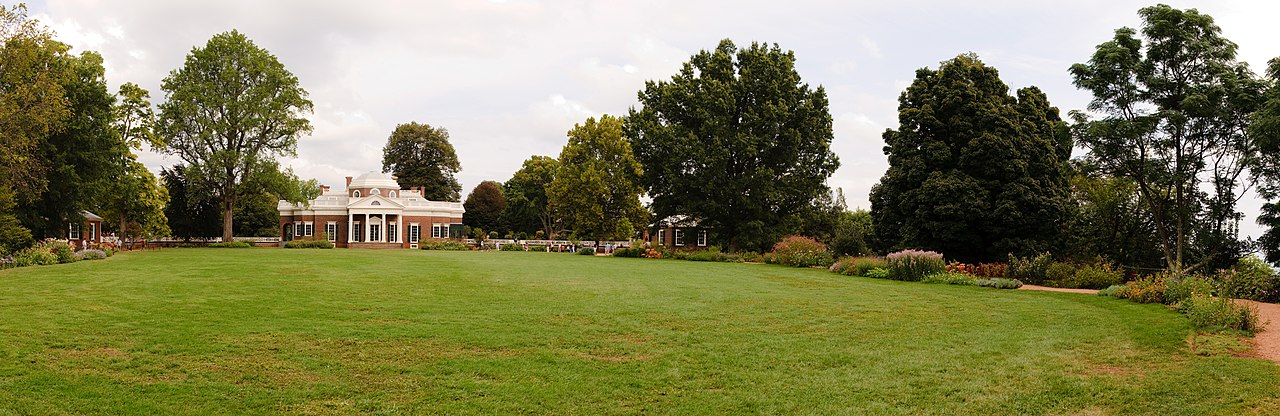




Architecture and layout
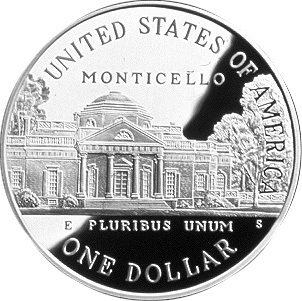
Jefferson developed a compact plan with a low dome, symmetrical facades and carefully arranged interiors that combined public reception rooms with private family spaces and service areas. He designed custom furniture and inventive mechanical devices for domestic use. The integration of architecture, light and circulation at Monticello illustrates Jefferson’s interest in classical proportion and practical innovation.
History and development
Construction and alteration at Monticello took place across decades as Jefferson’s tastes and needs changed. He supervised plans, worked with local craftsmen, and adapted European precedents to American materials and skills. The house’s evolving form records both personal ambition and changing domestic practices in the early republic.
Enslaved community and labor
Monticello was also a working plantation that depended on the labor of enslaved people. Enslaved artisans, craftsmen and household workers played essential roles in building and maintaining the estate. Contemporary interpretation at the site seeks to present these lives and stories alongside Jefferson’s own, acknowledging complexity and moral contradiction in the estate’s history.
Gardens and agriculture
Terraces, kitchen gardens and experimental plantings reflect Jefferson’s lifelong interest in horticulture, botany and agronomy. He used Monticello as a place to test crops, cultivate rare plants and develop agricultural techniques, linking scientific curiosity with practical estate management.
Preservation and public role
Monticello is designated a National Historic Landmark and, together with the University of Virginia, is recognized as a World Heritage Site under the auspices of UNESCO. The Thomas Jefferson Foundation operates the property as a museum, offering guided tours, exhibitions and educational programming while supporting ongoing conservation and research.
Significance and controversies
- Monticello is significant for its architectural innovation and as an expression of Jefferson’s interests in design, science and agriculture.
- The estate is central to public conversations about slavery, memory and how historic sites present difficult histories.
- Scholars continue to study Monticello’s material culture, the lives of its inhabitants, and Jefferson’s complex legacy.
Visitors encounter both the physical achievements of Jefferson’s design and the complex social history of the estate. For current visitor information, programming and research resources consult the foundation’s materials and published scholarship maintained by the site and its partners.
Questions and answers
Q: Who was the resident of Monticello?
A: The home of Monticello belonged to President Thomas Jefferson.
Q: Where is Monticello located?
A: Monticello is located near Charlottesville, Virginia.
Q: What is Monticello's current status?
A: Monticello is now a National Historic Landmark and a UNESCO World Heritage Site.
Q: What is the significance of Monticello being a UNESCO World Heritage Site?
A: Being a UNESCO World Heritage Site recognizes Monticello as a place of significant cultural and natural importance to the world.
Q: What can people do at Monticello?
A: Visitors at Monticello can take tours and learn about Thomas Jefferson's life and legacy, as well as visit the gardens and grounds.
Q: How can people visit Monticello?
A: People can visit Monticello by purchasing tickets for a tour or by visiting the grounds and gardens during certain hours.
Q: Is Monticello an important part of American history?
A: Yes, Monticello is an important part of American history as it was the home of one of America's founding fathers and played a significant role in shaping the nation's development.
Related articles
Author
AlegsaOnline.com Monticello: Thomas Jefferson’s Home and Architectural Landmark Leandro Alegsa
URL: https://en.alegsaonline.com/art/66396
Sources
- nrhp.focus.nps.gov : "National Register Information System"
- tps.cr.nps.gov : "Monticello (Thomas Jefferson House)"
- dhr.virginia.gov : "Virginia Landmarks Register"
- whc.unesco.org : "Monticello and the University of Virginia in Charlottesville"