
James Monroe
Fifth president of the United States (1817–1825). Known for the Monroe Doctrine, the Era of Good Feelings, territorial expansion, and for continuing Jeffersonian Republican policies.
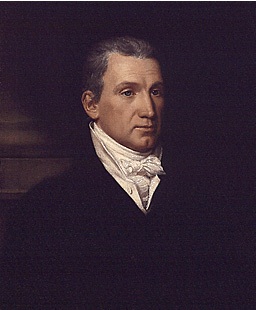
James Monroe (April 28, 1758 – July 4, 1831) was the fifth president of the United States. A veteran of the American Revolutionary War and a leading figure of the early republic, Monroe is best known for a foreign policy that warned European powers against further colonization in the Americas and for presiding during a period often called the Era of Good Feelings.
Image gallery
10 Images




Early life and public service
Born in Virginia, Monroe rose through state and national politics in the decades after the Revolution. He served in diplomatic roles and in state government before joining the national cabinet. His political outlook was shaped by the same Republican ideals associated with Thomas Jefferson and James Madison, favoring limited federal government while supporting a cohesive national policy where needed.
Presidency and major policies
Monroe served two full terms as president from 1817 to 1825. Domestically his administration navigated issues of westward expansion and sectional tensions, including the admission of new states and debates over slavery. Internationally, his 1823 policy statement—known as the Monroe Doctrine—asserted that the Western Hemisphere was no longer open to European colonization and that European interference in newly independent American republics would be viewed unfavorably by the United States.
Territory, treaties and national mood
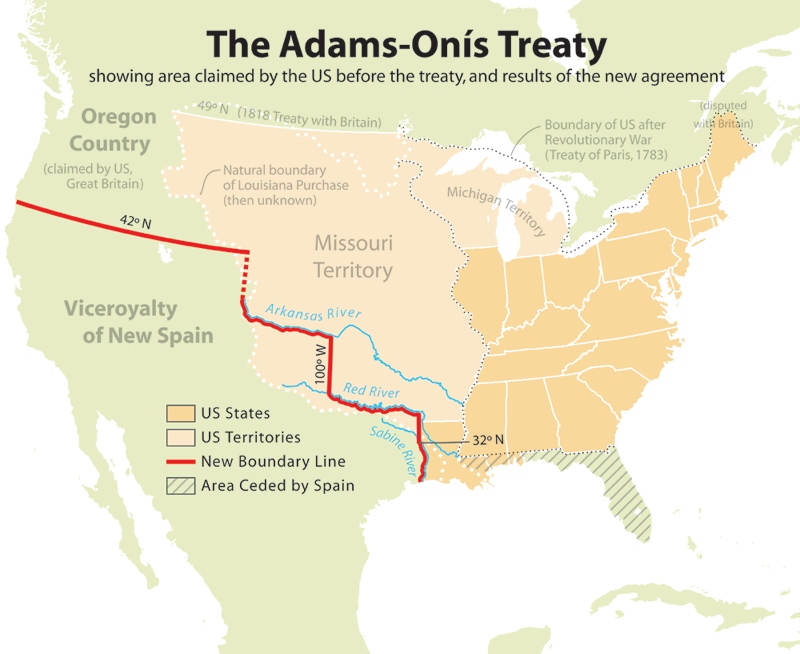
During Monroe's presidency the United States expanded and solidified its boundaries and influence. The nation acquired Florida from Spain and managed disputes tied to settlement and commerce. The era after the War of 1812 and during Monroe’s terms was marked by a relative decline in partisan hostility at the national level, a trend historians often refer to as the Era of Good Feelings.
Legacy and honors
Monroe is remembered for a blend of diplomatic firmness and commitment to national cohesion. Numerous places in the United States bear his name, including many towns and counties called Monroe. Abroad, the capital of Liberia, Monrovia, was named in his honor for his support of the American Colonization Society that helped resettle freed people in West Africa and is associated with the founding of Liberia.
Notable distinctions
- One of the last presidents who had been active in the Revolutionary generation.
- Associated with the principle that the Americas should be free from new European imperial ventures.
- Often linked with the Jeffersonian Republican tradition, yet presided over a growing, more national outlook.
Monroe's career bridged the revolutionary era and the expansionist United States that followed. His presidency helped shape early American foreign policy and set precedents for how the nation would present itself on the world stage.
Questions and answers
Q: Who was James Monroe?
A: James Monroe was the fifth president of the United States.
Q: Whose beliefs did James Monroe mostly agree with?
A: James Monroe mostly agreed with Thomas Jefferson and James Madison, the two presidents before him.
Q: How many cities have been named after James Monroe?
A: There are many cities named after James Monroe.
Q: Can you name a city that is named after James Monroe?
A: Monrovia, the capital of Liberia, is named after James Monroe.
Q: When was James Monroe born?
A: James Monroe was born on April 28, 1758.
Q: When did James Monroe die?
A: James Monroe died on July 4, 1831.
Q: What is significant about the date of James Monroe's death?
A: James Monroe died on July 4, the same day as American Independence Day.
Related articles
Author
AlegsaOnline.com James Monroe Leandro Alegsa
URL: https://en.alegsaonline.com/art/121346
Sources
- books.google.com : The Last Founding Father: James Monroe and a Nation's Call to Greatness