
Ku Klux Klan: origins, ideology, activities, and legacy
Overview of the Ku Klux Klan: its origins after the Civil War, revival periods, beliefs, violent practices, legal responses, and ongoing legacy as a white supremacist movement in the United States.
Overview
The Ku Klux Klan (commonly abbreviated as the KKK) is a name used by several related extremist organizations in the United States that promote white supremacist beliefs and have employed intimidation and violence against minority groups. The name is widely associated with anti-Black racism and hostility toward Catholics, Jews, immigrants and other communities. Public examinations of the Klan focus on its ideology, methods of intimidation, and the movement's periodic resurgences and fragmentations over more than a century. For a general description of its classification, see background resources and discussions of religious rhetoric in some Klan factions at religious context.
Image gallery
10 Images


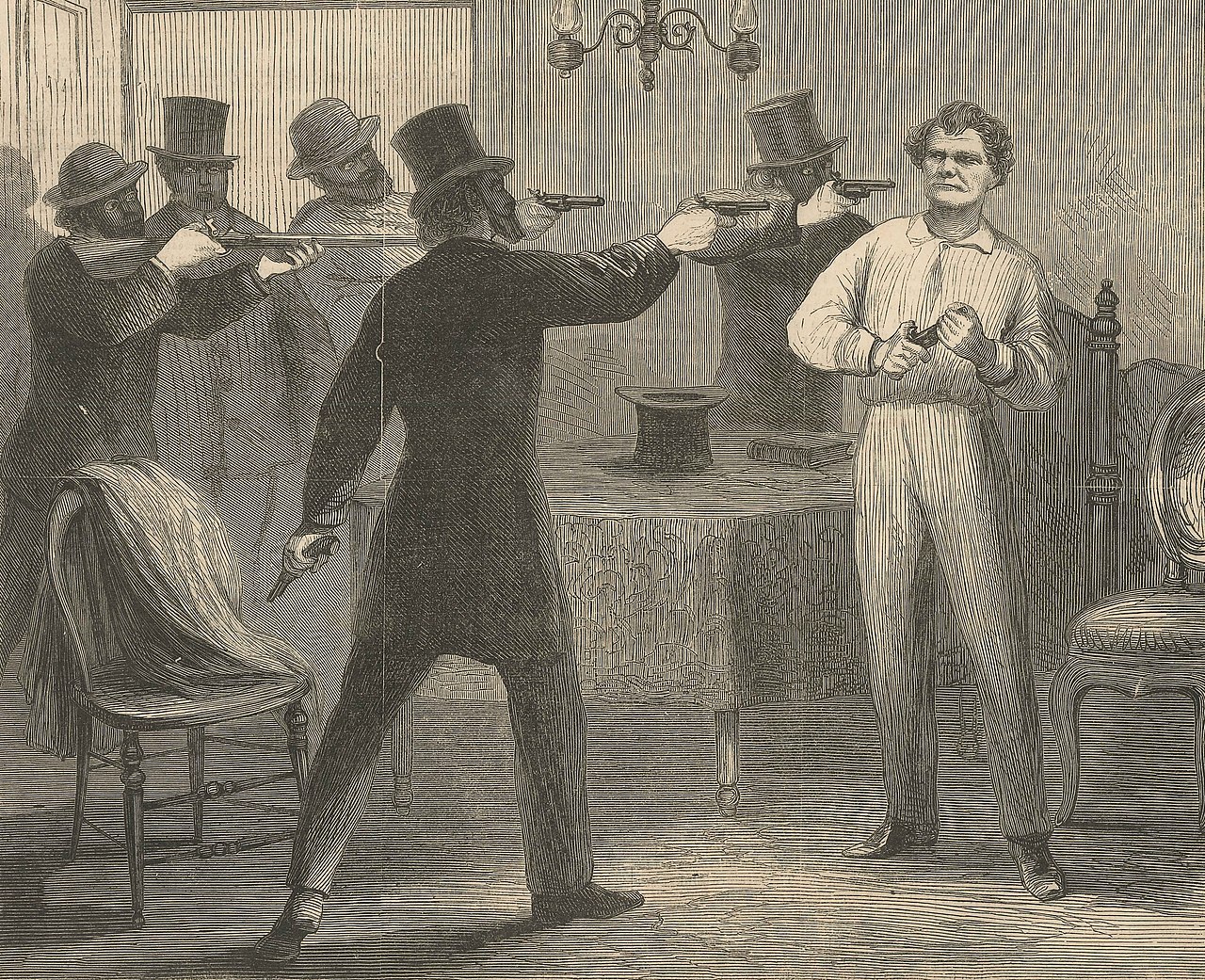
Origins and early history
The first Ku Klux Klan was founded in Pulaski, Tennessee on December 24, 1865 by a group of former Confederate officers. It began as a social club but quickly transformed into a secretive organization that resisted Reconstruction-era reforms. During the late 1860s and early 1870s the Klan used threats, physical assaults and murder to oppose African American civil rights and to undermine Republican political power in the post–Civil War South. Federal efforts to suppress the group, including the Enforcement Acts (sometimes called the Ku Klux Klan Acts), curtailed much of its activity by the mid-1870s. For accounts of the early period see historical summaries and regional studies like those tied to Pulaski.
Revival movements and 20th-century activity
The Klan reappeared in new forms during the 20th century. A major revival began in 1915, drawing on nativist and anti-immigrant sentiment as well as racial segregationist ideology; this version extended its influence nationally during the 1920s. Later iterations emerged during the 1950s and 1960s in opposition to the Civil Rights movement and desegregation. Throughout these periods, the name "Ku Klux Klan" was used by many organizations with varying leadership, scope and tactics. For treatments of these revivals consult studies of the 1920s Klan and analyses of mid-century activity at civil rights-era studies.
Organization, symbols and methods
Formal structure and rituals have differed across Klan groups, but common elements include secrecy, hierarchies with numeric or fanciful titles, and distinctive regalia such as robes and conical hoods. Cross burning became a notorious method of intimidation associated with the movement. The Klan has sought political influence, arranged rallies and parades, and used harassment, lynching and terrorist attacks to enforce white supremacy. Contemporary assessments of Klan symbolism and tactics are available from contemporary monitors and academic observers; see symbolism and tactical analyses.
Legal responses and suppression
Government responses to the Klan have included criminal prosecutions, federal legislation aimed at protecting civil rights, and court rulings addressing criminal acts and civil liability. The Reconstruction-era Enforcement Acts were an early federal effort to prosecute Klan violence. In later decades, state and federal law enforcement interventions and civil lawsuits have reduced the capacity of many Klan organizations, though small splinter groups have persisted. For legal and policy perspectives, see legal history and summaries of enforcement efforts at civil rights enforcement.
Legacy and contemporary status
Although the largest historical iterations of the Klan have faded, the name endures among small, separate movements and as a symbol of racial hatred in public memory. Modern law enforcement and civil-society organizations frequently classify Klan-affiliated groups as hate groups and track their activity. The Klan's legacy shapes discussions about race, collective memory, and how societies confront organized hate. For ongoing monitoring and contemporary reporting, consult current monitoring resources.
- Key distinctions: multiple distinct organizations have used the Klan name at different times; one should distinguish the original Reconstruction-era order from later revivals and present-day splinter groups.
- Significance: the Klan influenced political and social life in several eras of U.S. history and remains a focal point in studies of domestic terrorism and organized racist movements.
Questions and answers
Q: What is the Ku Klux Klan?
A: It is an American Christian hate group that has been primarily focused on hating African Americans, but it has also attacked Catholics, Jews, and immigrants.
Q: When was the Ku Klux Klan started and where did it originate?
A: The Ku Klux Klan was started on December 24, 1865, in Pulaski, Tennessee.
Q: What was the original purpose of the Ku Klux Klan?
A: The original purpose of the Ku Klux Klan was to serve as a social club for former Confederate soldiers.
Q: Why did the Ku Klux Klan transform into a terrorist organization?
A: The Ku Klux Klan transformed into a terrorist organization as a resistance movement against the Reconstruction of the United States. They sought to keep "white power" by using violent acts, including killing people.
Q: Do the Ku Klux Klan still exist today?
A: The first Ku Klux Klan broke up and does not exist anymore. However, other groups with the same name and ideas have been created.
Q: Who did the Ku Klux Klan primarily target?
A: The Ku Klux Klan primarily targeted African Americans, but it has also attacked Catholics, Jews, and immigrants.
Q: What did former Confederate soldiers fight for during the Civil War?
A: During the Civil War, former Confederate soldiers fought to defend slavery.
Related articles
Author
AlegsaOnline.com Ku Klux Klan: origins, ideology, activities, and legacy Leandro Alegsa
URL: https://en.alegsaonline.com/art/54533
Sources
- commons.wikimedia.org : Ku Klux Klan
- pbs.org : "General Article: Rise of the Ku Klux Klan"
- millercenter.org : "Historical Events"
- splcenter.org : "Ku Klux Klan"
- historynet.com : "'The Birth of a Nation': When Hollywood Glorified the KKK"
- themovingarts.com : "Revered and Reviled: D.W. Griffith's 'The Birth of a Nation'"
- georgiaencyclopedia.org : "Ku Klux Klan in the Twentieth Century"
- pbs.org : "Slavery by Another Name: White Supremacy and Terrorism"
- cnsnews.com : "KKK Lynched 3,446 Blacks in 86 Years – Abortion Claims That Many Black Babies in 'Less Than Four Days'"
- bbc.co.uk : "Was America a country of religious and racial intolerance during this period?"
- caselaw.findlaw.com : "United States Supreme Court: BROWN v. BOARD OF EDUCATION, (1954), No. 10; Argued: December 9, 1952; Decided: May 17, 1954"
- murderpedia.org : "Edgar Ray Killen"
- democracynow.org : "Ex-Klansman Killen Gets Maximum 60-Yr Sentence for Manslaughter Charge in 1964 Mississippi Killings"
- adl.org : "About the Ku Klux Klan"