
James Madison (1751–1836)
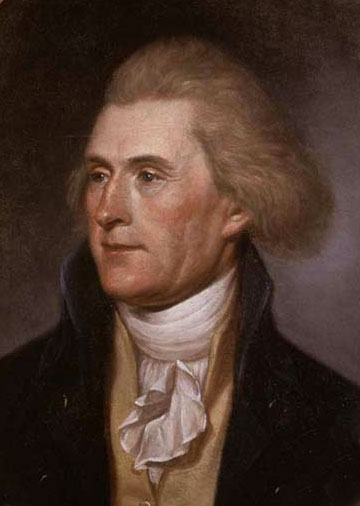
James Madison (1751–1836), American Founding Father: principal architect of the Constitution, coauthor of the Federalist Papers, fourth U.S. president (1809–1817), and a Virginia plantation owner who held enslaved people.
Overview
James Madison Jr. (March 16, 1751 – June 28, 1836) was an American statesman and political theorist who played a central role in the founding of the United States. He is widely regarded as a principal architect of the Constitution and a leading advocate for the Bill of Rights. Madison served as the fourth president of the United States from 1809 to 1817. His career combined intellectual contributions to republican theory with active public service at state and national levels.
Image gallery
10 Images



Early life and education
Born in Virginia, Madison grew up on a family plantation and received a classical education. He attended the College of New Jersey (now Princeton University), where he studied philosophy, history, and law-related subjects. His early reading and study shaped a lifelong interest in political theory and the institutions of government.
Constitutional role and writings
Madison arrived at the Constitutional Convention of 1787 prepared with ideas about the structure of government. He is often called the "Father of the Constitution" for his role in framing proposals that influenced the final document and for his notes of the convention, which remain a major source for historians. He collaborated with Alexander Hamilton and John Jay in writing the Federalist Papers, a series of essays defending the new Constitution and explaining its principles. After ratification, Madison became a leading advocate for a set of amendments to secure individual liberties; these amendments were adopted as the Bill of Rights.
Political career and presidency
- Virginia legislator and member of the Continental Congress
- Author and political theorist during the founding era
- Secretary of State under Thomas Jefferson (1801–1809)
- President of the United States (1809–1817)
As president, Madison led the nation through the War of 1812 against Great Britain, a conflict that tested American resolve and institutions. His administration confronted challenges in national defense, maritime rights, and the young nation’s finances. After leaving office, Madison continued to influence public debate through correspondence and by advising political leaders.
Political principles and influence
Madison’s political thought emphasized checks and balances, separation of powers, a balanced federal system, and the dangers of factionalism. He was an early leader of the Democratic-Republican party, promoting a relatively limited role for the national government compared with his Federalist opponents. His writings and actions helped shape early American party politics and institutional development.
Montpelier, slavery, and legacy
Madison inherited and lived for much of his life at Montpelier, a plantation in Virginia. Like many of his contemporaries, he owned enslaved people, and scholars note the contradiction between his writings on liberty and his participation in slavery. He did not free most of the people he enslaved during his lifetime, and that aspect of his life is central to modern assessments of his legacy. The Montpelier estate is today the subject of historical study and public interpretation.
Further reading and resources
For introductions to his life and role among the founders see Founding Father profiles. For information about his presidency and papers consult resources on the office of the fourth president. Accounts of his slaveholding and plantation life are discussed in histories of early America and slavery: slave ownership and material on the preserved Montpelier estate. These sources provide context for a figure whose contributions to constitutional government are inseparable from the moral and political complexities of his era.
Questions and answers
Q: Who was James Madison?
A: James Madison was a Founding Father and the fourth President of the United States.
Q: What was Madison's contribution to the United States Constitution?
A: Madison was the most important author of the United States Constitution.
Q: Did Madison own slaves?
A: Yes, Madison was a slaveowner with a big plantation.
Q: How tall was James Madison?
A: James Madison was the shortest president, with a height of 5 feet 4 inches (1.63 meters).
Q: Which number president was James Madison?
A: James Madison was the fourth president of the United States.
Q: When was James Madison born?
A: James Madison was born on March 16, 1751.
Q: When did James Madison die?
A: James Madison died on June 28, 1836.
Related articles
Author
AlegsaOnline.com James Madison (1751–1836) Leandro Alegsa
URL: https://en.alegsaonline.com/art/121330
Sources
- nps.gov : "James Madison"