
Cerebral cortex: structure, function, development, and clinical significance
The cerebral cortex is the outer sheet of neural tissue of the cerebrum. This article explains its layers, regional specializations, evolution, roles in cognition and disease, and distinctions from subcortical structures.
The cerebral cortex is the thin, folded outer layer of the cerebrum that underpins much of what is distinctive about mammalian, and especially human, cognition. It consists chiefly of neuron cell bodies and their local connections — the so‑called gray matter — lying above a network of myelinated axons known as white matter. For a concise introduction to its position and relationship to the rest of the brain see general references.
Image gallery
10 Images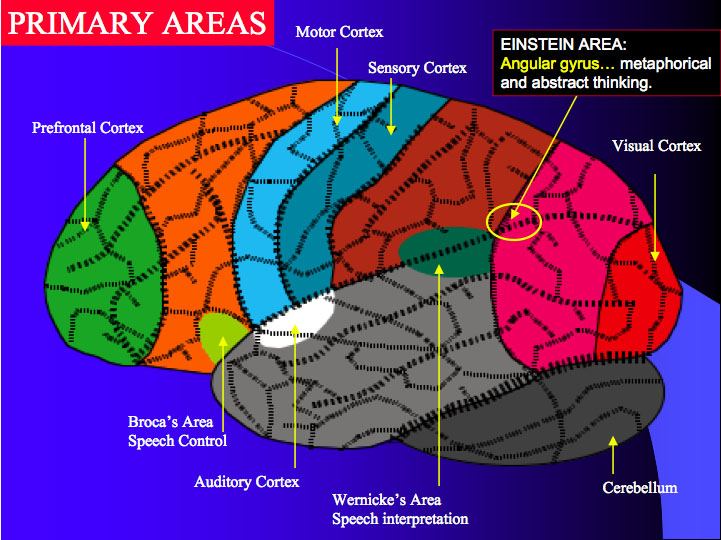





Structure and microscopic organization
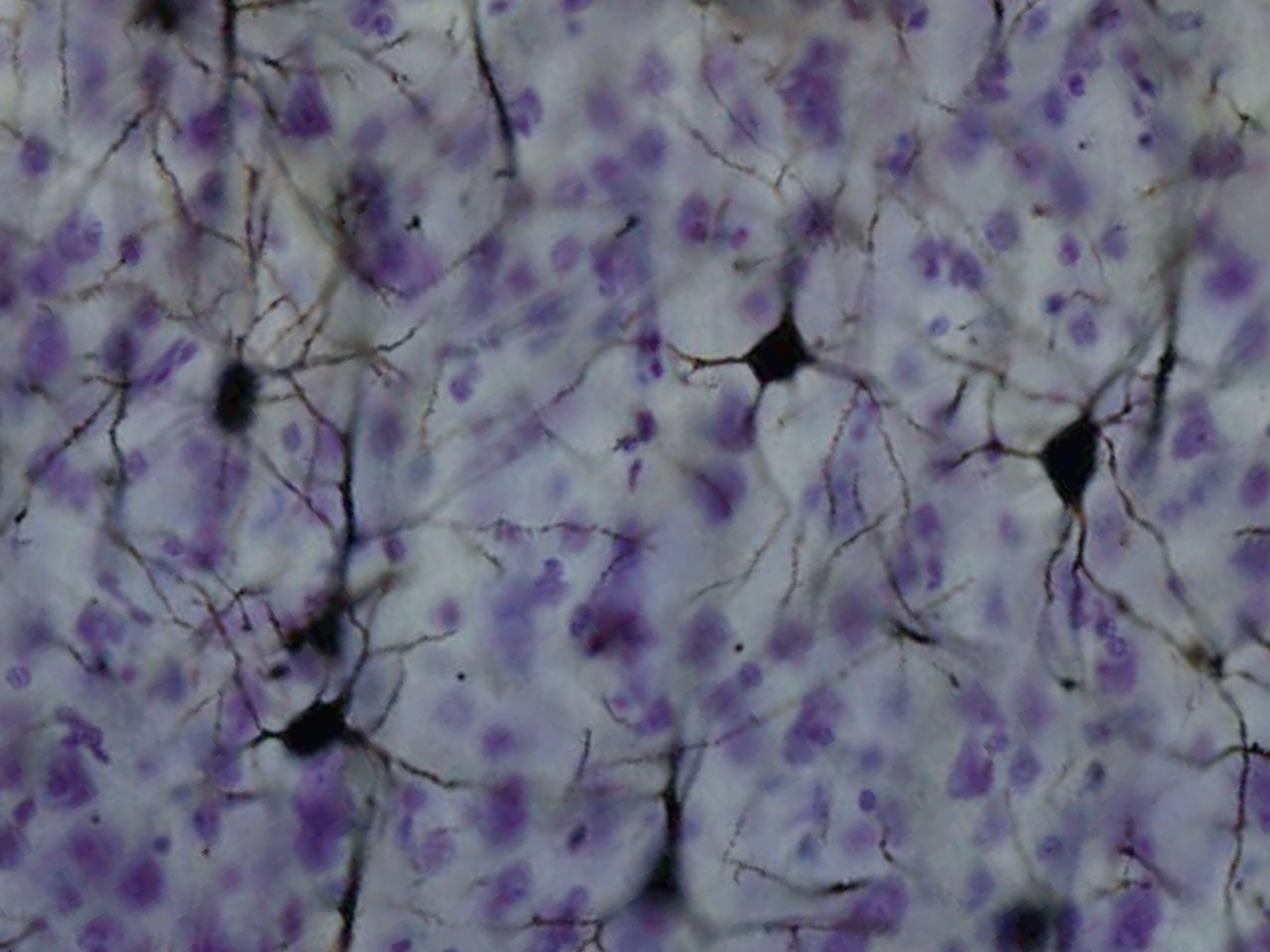
On a microscopic level the cerebral cortex is organized in up to six horizontal layers of neurons and supporting cells; these layers vary in thickness and cell composition between regions. The human cortical sheet typically measures about 2–4 mm in thickness but contains billions of neurons arranged into vertical columns and local circuits. The distinction between gray and white matter reflects the relative abundance of cell bodies and unmyelinated processes versus myelinated axons that interconnect distant areas — see discussions of gray matter and white matter to explore these terms further.
Regional specialization and major functions
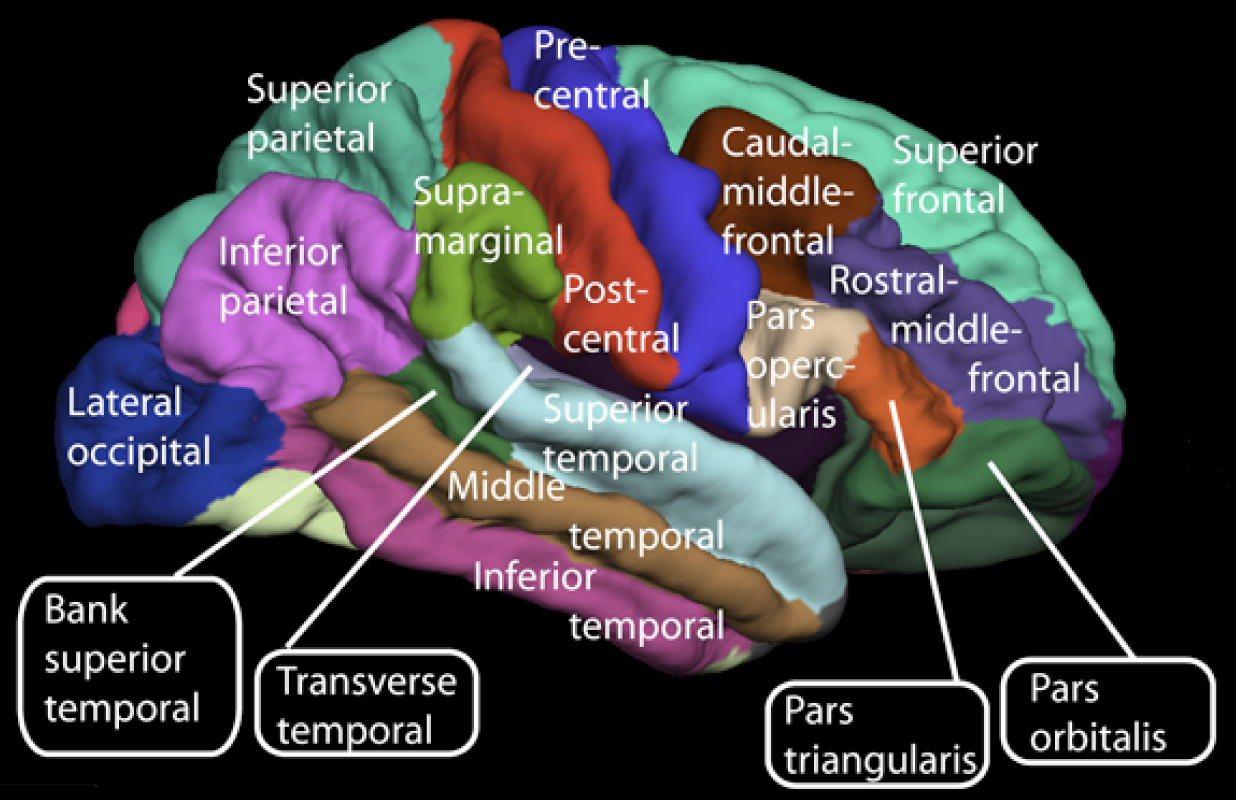
The cortex is functionally differentiated. Primary sensory and motor areas map topographically to the body surface, while surrounding association areas integrate information across senses and support higher-level operations. Language, abstract thought, decision making, attention, and conscious perception are strongly associated with cortical activity. Classic examples include the motor cortex and primary visual cortex; mechanisms of memory and attention are often studied in relation to cortical circuits and networks — see materials on memory, thought and perception, language, and consciousness.
Development, folding and evolution
During development the cortex expands and folds (gyrification) to increase surface area within the skull. The extent of folding correlates with brain size and cognitive capacity across species: small mammals often have smooth (lissencephalic) cortices, while large mammals show deep sulci and convoluted gyri. The cerebral cortex is the outermost component of the cerebrum and one of the hallmarks of mammalian brain design; see contextual references on the cerebrum and broader nervous system resources such as central nervous system surveys.
Clinical relevance and research directions
Because so many cognitive functions depend on the cortex, localized damage can produce deficits in movement, sensation, language, memory or awareness. Stroke, traumatic injury, tumors and epilepsy commonly involve cortical tissue. Current research approaches include brain imaging, electrophysiology, and cellular studies of plasticity and connectivity that aim to relate microcircuit properties to behavior and disease. Introductory clinical and research summaries are available via white matter studies and specialized guides to cortical anatomy and pathology.
Key distinctions and noteworthy facts
- The cortex is primarily gray matter; the underlying tracts form white matter.
- Thickness varies little across species, but surface area and folding differ enormously.
- Functional mapping (motor, sensory, association) reflects both local circuits and long-range cortical networks.
- For additional reading on foundational topics see introductory resources and targeted pages on memory, cognition, and language systems.
Understanding the cerebral cortex requires integrating anatomy, physiology, development and behavior. Each perspective — from microcircuits to whole‑brain networks — contributes to how scientists and clinicians interpret cortical function in health and disease.
Questions and answers
Q: What is the cerebral cortex?
A: The cerebral cortex is the most important part of the brain that plays a key role in memory, attention, perceptual awareness, thought, language, and consciousness. It is a sheet of neural tissue that is outermost to the cerebrum of the mammalian brain.
Q: How does the cortex function?
A: Different parts of the cortex have different functions. For example, memory, attention, perceptual awareness, thought, language, and consciousness are some of the functions controlled by the cerebral cortex.
Q: What is the thickness of the human cerebral cortex?
A: The human cerebral cortex is 2–4 mm (0.08–0.16 inches) thick.
Q: What is the composition of the grey matter?
A: Grey matter is formed from neurons and their unmyelinated fibers.
Q: What is the composition of the white matter?
A: The white matter below the grey matter is formed predominantly by myelinated axons interconnecting neurons in different regions of the cerebral cortex with each other and neurons in other parts of the central nervous system.
Q: What is the surface of the cerebral cortex like?
A: The surface of the cerebral cortex is folded in large mammals, and more than two-thirds of it in the human brain is buried in the grooves.
Q: What part of the brain is the largest in humans?
A: The cerebral cortex is by far the largest part of the brain in humans.
Related articles
Author
AlegsaOnline.com Cerebral cortex: structure, function, development, and clinical significance Leandro Alegsa
URL: https://en.alegsaonline.com/art/18171