
Cervix: structure, function, and clinical importance
The cervix is the lower, narrow portion of the uterus that opens into the vagina. This article describes its anatomy, roles in reproduction and childbirth, and key clinical considerations such as screening and common procedures.
Overview
The cervix is the lower, cylindrical part of the female uterus that projects into the vaginal canal. It acts as a controlled passage between the vagina and the uterine cavity (the uterus), serving mechanical, protective and reproductive roles. Its appearance and function change with age, hormones, pregnancy and childbirth.
Image gallery
7 Images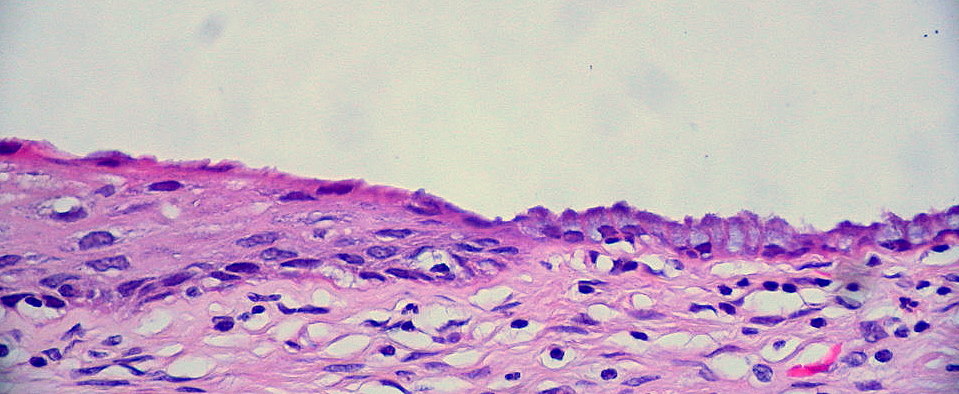


Anatomy and parts
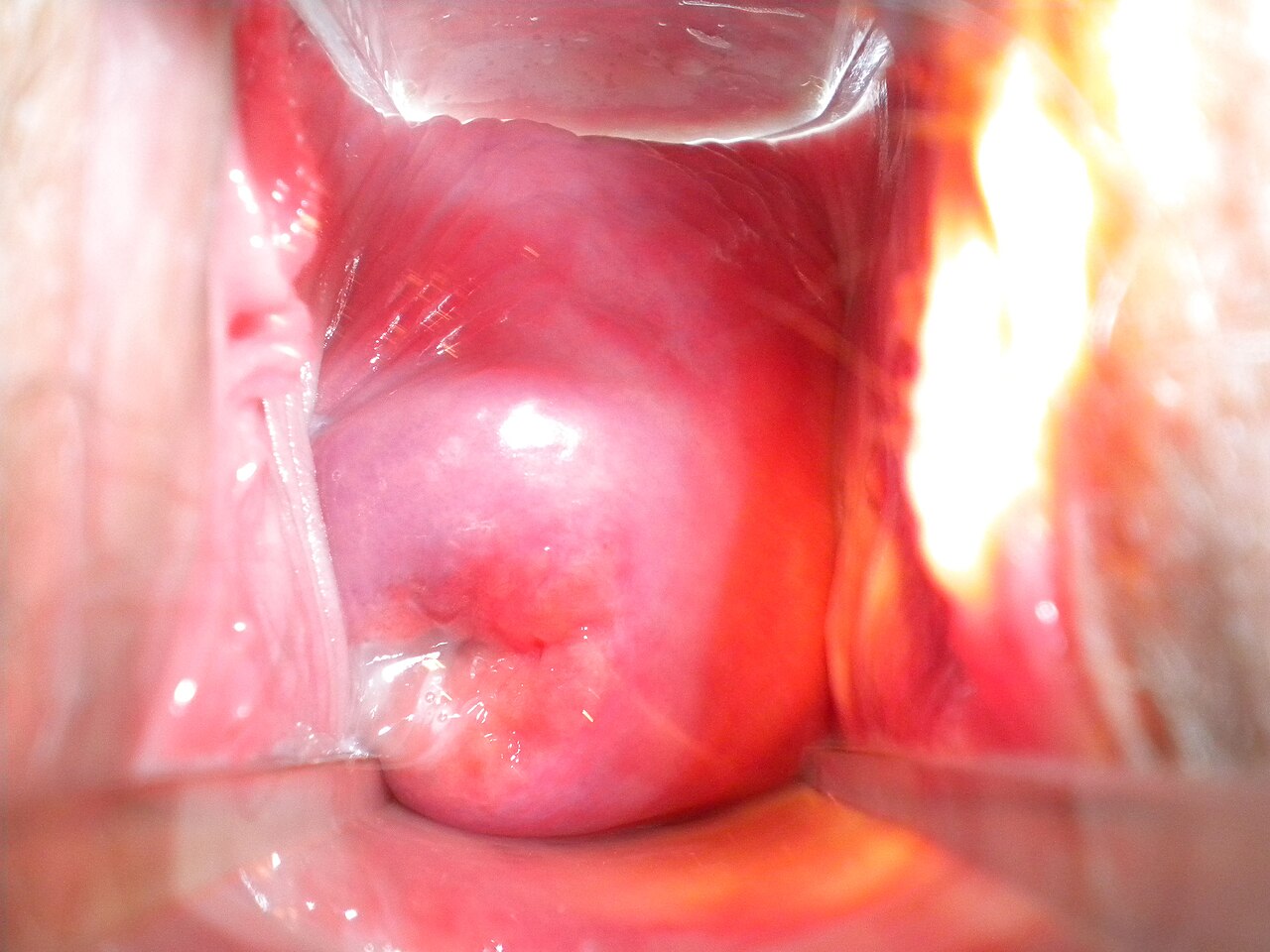
Macroscopic anatomy divides the cervix into an external os (opening visible from the vagina) and an internal os (opening into the uterine cavity). The cervical canal lies between these two openings. The outer surface is covered by squamous epithelium while the inner canal is lined by glandular columnar epithelium; the junction between these types is clinically important.
Physiological functions
The cervix performs several key functions: it permits menstrual blood to leave the uterus, produces cervical mucus that changes consistency across the menstrual cycle to either block or facilitate sperm passage, and acts as a barrier against infection. During the fertile window, mucus becomes thinner and more alkaline to help sperm travel into the uterus.
Role in pregnancy and childbirth
In pregnancy the cervix remains firm and closed to protect the developing fetus. Near term it softens, shortens (effaces) and opens (dilates) to allow delivery. Cervical insufficiency is a condition in which the cervix opens prematurely, potentially leading to preterm birth; it can be managed medically or surgically in some cases.
Clinical relevance and screening
The cervix is the site of cervical intraepithelial lesions and cervical cancer, which are often associated with persistent human papillomavirus (HPV) infection. Routine screening programs use cytology (Pap test) and/or HPV testing to detect precancerous changes. Other common investigations include colposcopy, directed biopsy and, when necessary, excisional procedures.
Common examinations and procedures
- Pap smear (cervical cytology) for cellular abnormalities
- HPV testing to detect high-risk viral types
- Colposcopy and guided biopsy for abnormal screening results
- Cervical cerclage for selected cases of cervical incompetence
- Dilation and curettage or loop electrosurgical excision for treatment of lesions
The cervix therefore plays a central role in reproductive health. Awareness of screening recommendations and prompt evaluation of symptoms such as abnormal bleeding or pain are important steps in maintaining cervical and overall gynecological health.
Related articles
Author
AlegsaOnline.com Cervix: structure, function, and clinical importance Leandro Alegsa
URL: https://en.alegsaonline.com/art/18230