
Cetology: the study of whales, dolphins and porpoises
Cetology is the scientific study of cetaceans—whales, dolphins and porpoises—covering their evolution, anatomy, behavior, ecology, and conservation.
Overview
Cetology is the branch of marine biology focused on cetaceans, the group of marine mammals that includes whales, dolphins and porpoises. These animals belong to the order Cetacea and are adapted to a fully aquatic life. Modern cetologists study roughly eighty extant species, ranging from the tiny vaquita to the blue whale, the largest animal ever known.
Image gallery
3 Images
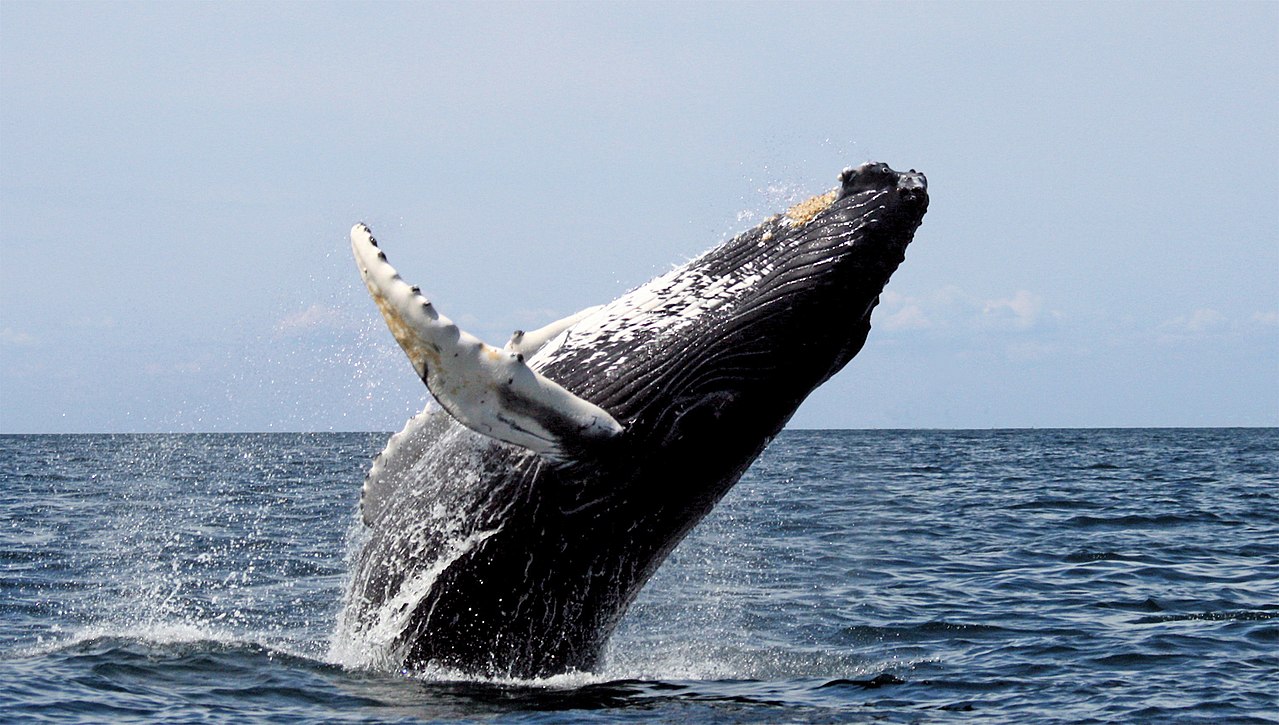

Characteristics and classification
Cetaceans are divided mainly into two suborders: Mysticeti (baleen whales), which use baleen plates to filter feed, and Odontoceti (toothed whales), which include dolphins, porpoises and sperm whales and often use echolocation. Common adaptations include streamlined bodies, insulating blubber, modified forelimbs as flippers, and one or two blowholes for breathing.
What cetologists study
- Evolution and taxonomy — how species are related and their fossil history.
- Anatomy and physiology — hearing, diving physiology, and thermoregulation.
- Behavior and social structure — communication, mating systems and group dynamics.
- Distribution and ecology — migration patterns, habitat use and food webs.
- Conservation biology — threats, population assessments and recovery plans.
Methods and tools
Research techniques combine field and laboratory work: visual and aerial surveys, passive acoustic monitoring to detect calls and echolocation clicks, satellite and radio tagging to track movements, genetic sampling for population structure, and necropsies to determine causes of death. Long-term photo-identification of individuals has proven essential for studying lifespans and social bonds.
History and terminology
The word "cetology" was coined in the 19th century from the Greek cetus ("whale") plus -ology ("study"). Over time the field has grown from descriptive natural history and whaling records into an interdisciplinary science linked to broader marine mammal biology, incorporating ecology, physiology, acoustics and genetics.
Importance and conservation
Cetaceans play key roles in marine ecosystems as predators and nutrient cyclers. Many species face threats including historical commercial whaling, bycatch in fisheries, ship strikes, entanglement, underwater noise, pollution and climate change. Conservation science assesses population status, informs policy, and supports protected areas and mitigation measures. Notable contrasts — for example, dolphins generally have elongated beaks and conical teeth while porpoises have shorter snouts and spade-shaped teeth — help specialists identify species in the field and prioritize responses.
Cetology remains a dynamic discipline, combining field observations with modern technologies to improve our understanding of these remarkable marine mammals and guide efforts to ensure their survival.
Related articles
Author
AlegsaOnline.com Cetology: the study of whales, dolphins and porpoises Leandro Alegsa
URL: https://en.alegsaonline.com/art/18266