
Chlamydia (genus of bacteria)
Chlamydia is a genus of obligate intracellular bacteria with a unique developmental cycle; species cause sexually transmitted infections, respiratory disease, and trachoma, an important cause of blindness.
Overview
Chlamydia is a genus of microscopic organisms classified among the bacteria. Members are obligate intracellular pathogens, meaning they must grow inside host cells. Several species infect humans and animals, producing a range of clinical syndromes from mild respiratory illness to sexually transmitted disease and eye infection.
Image gallery
1 Image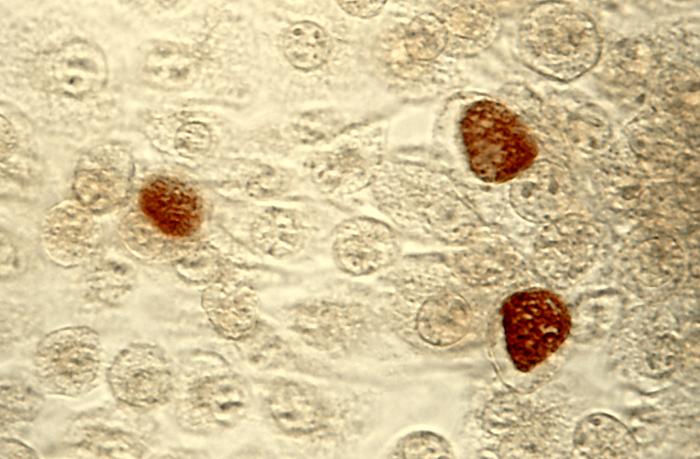
Structure and life cycle
Chlamydiae are small, gram-negative–type bacteria with a distinctive two-stage developmental cycle. The infectious form, called the elementary body, attaches to and enters host cells. Inside the cell it transforms into the metabolically active reticulate body, which divides and then reorganizes back into elementary bodies to infect new cells. This cycle underpins their diagnosis and treatment considerations.
Major species and clinical importance
Key human pathogens include Chlamydia trachomatis (urogenital infections and ocular trachoma), Chlamydia pneumoniae (respiratory infections), and Chlamydia psittaci (psittacosis from birds). C. trachomatis is the most common bacterial cause of sexually transmitted infection in many regions and the leading infectious cause of blindness globally through chronic conjunctival infection; see infections and trachoma-related blindness for summaries of clinical impact.
Diagnosis and treatment
Diagnosis typically relies on nucleic acid amplification tests (NAATs) from swabs or urine, which detect bacterial genetic material. Because Chlamydia are intracellular, culture is specialized and less commonly used. Most urogenital infections respond to recommended antibiotics such as azithromycin or doxycycline; respiratory and avian-associated infections require treatment tailored to the species and clinical setting.
Prevention, control and historical notes
Prevention strategies include safe-sex practices, screening programs in sexually active populations, and public health campaigns to reduce trachoma through improved sanitation, facial cleanliness, and antibiotics in endemic areas. Historically, recognition of trachoma and sexually transmitted chlamydial disease has driven development of diagnostic tests and control programs worldwide.
Distinguishing features
Chlamydia differ from many bacteria by their strict intracellular lifestyle and biphasic developmental cycle. They are distinct from viruses in size and genetics, yet their dependence on host cells for replication means laboratory handling and treatment principles overlap with both bacterial and intracellular pathogen practices. Further reading and guidelines are available from public health sources and infectious disease references.
More on the genus | Bacterial classification | Clinical infections | Trachoma prevention
Related articles
Author
AlegsaOnline.com Chlamydia (genus of bacteria) Leandro Alegsa
URL: https://en.alegsaonline.com/art/19873
Sources
- bacterio.net : "Chlamydia"
- ncbi.nlm.nih.gov : "Isolation of a New Chlamydia species from the Feral Sacred Ibis (Threskiornis aethiopicus)- Chlamydia ibidis"
- ui.adsabs.harvard.edu : 2013PLoSO...874823V
- doi.org : 10.1371/journal.pone.0074823
- pubmed.ncbi.nlm.nih.gov : 24073223