
Cerebrum: structure, function, and clinical significance
The cerebrum is the largest part of the brain, comprising the cerebral hemispheres and cortex. It underlies perception, voluntary movement, language, memory and higher cognition, and is central to many neurological conditions.
Overview
The cerebrum is the largest and most evolutionarily recent portion of the vertebrate brain. In humans it occupies the anterior and upper part of the skull and is responsible for many capacities often called "higher functions," including conscious thought, voluntary action, language, and complex problem solving.
Image gallery
5 Images


Anatomy and main parts
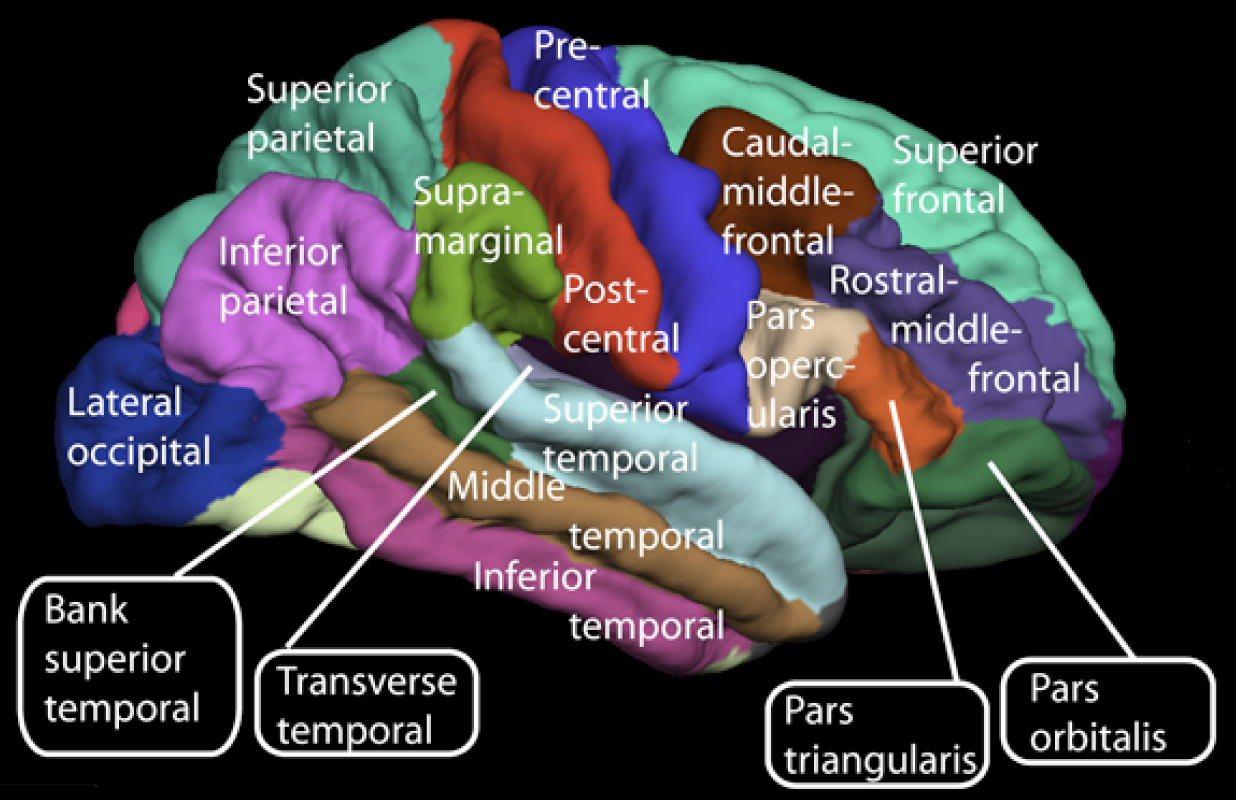
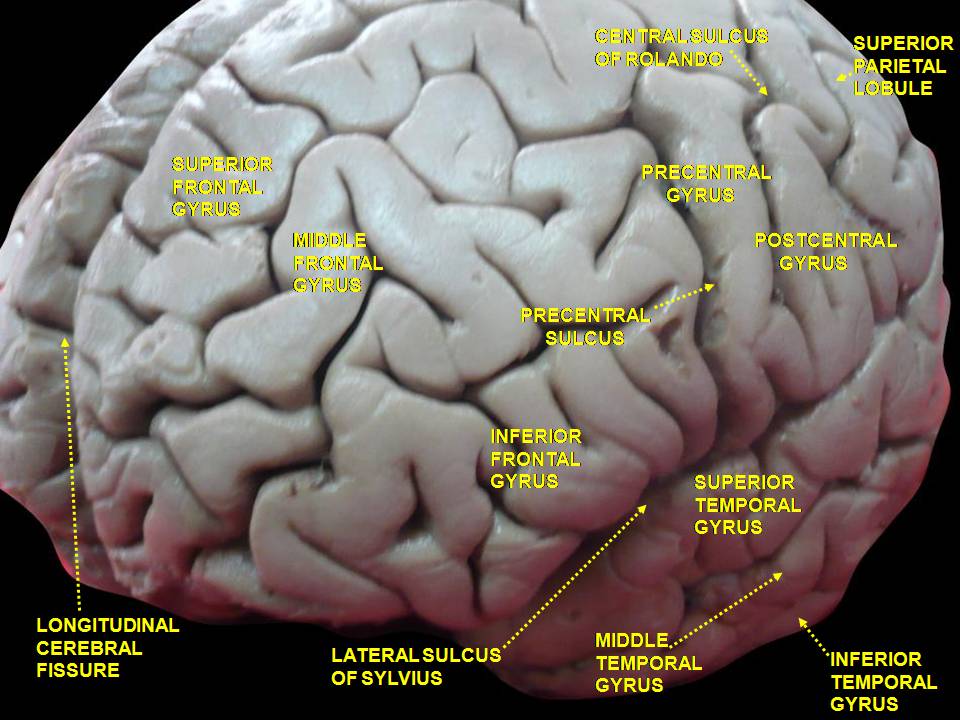
The cerebrum is divided into two cerebral hemispheres linked by a bundle of fibers called the corpus callosum. Each hemisphere is conventionally divided into four lobes: frontal, parietal, temporal and occipital. Grossly, the cerebrum consists of an outer layer of gray matter (the cerebral cortex) and inner white matter tracts that connect cortical regions and subcortical nuclei.
Substructures and components
- Cerebral cortex: six-layered sheet of neurons that processes sensory input and supports cognition.
- Basal ganglia: subcortical nuclei involved in movement selection and habits.
- Limbic structures (including hippocampus and amygdala): important for memory and emotion.
- White matter pathways: bundles that transmit information between areas and between hemispheres.
Functions and examples
The cerebrum integrates sensory information, plans and initiates voluntary movements, enables language and social behavior, and stores declarative memory. For example, visual signals reach occipital cortex, language processing concentrates in regions of the left hemisphere in most people, and the frontal lobes are central to planning and impulse control.
Development, evolution and notable facts
Across vertebrates the forebrain expanded in evolution; in mammals the neocortex (part of the cerebrum) grew especially large. In humans the cortical surface becomes highly folded (gyri and sulci) to increase area within the skull. Estimates of neuronal counts vary between studies; the cerebrum contains on the order of tens of billions of neurons and vast numbers of glial cells.
Clinical relevance
Diseases and injuries of the cerebrum produce a wide range of deficits: stroke can cause loss of movement or speech, tumors and degenerative disorders can impair cognition, and seizure disorders often originate in cortical tissue. Understanding cerebrum structure and function is fundamental to neurology, neurosurgery and cognitive neuroscience.
Related articles
Author
AlegsaOnline.com Cerebrum: structure, function, and clinical significance Leandro Alegsa
URL: https://en.alegsaonline.com/art/18177