
Cellulitis: causes, symptoms, diagnosis, treatment and prevention
Cellulitis is a common bacterial skin infection causing redness, warmth and pain. This article explains causes, risk factors, diagnosis, treatment, complications and how it differs from similar conditions.
Overview
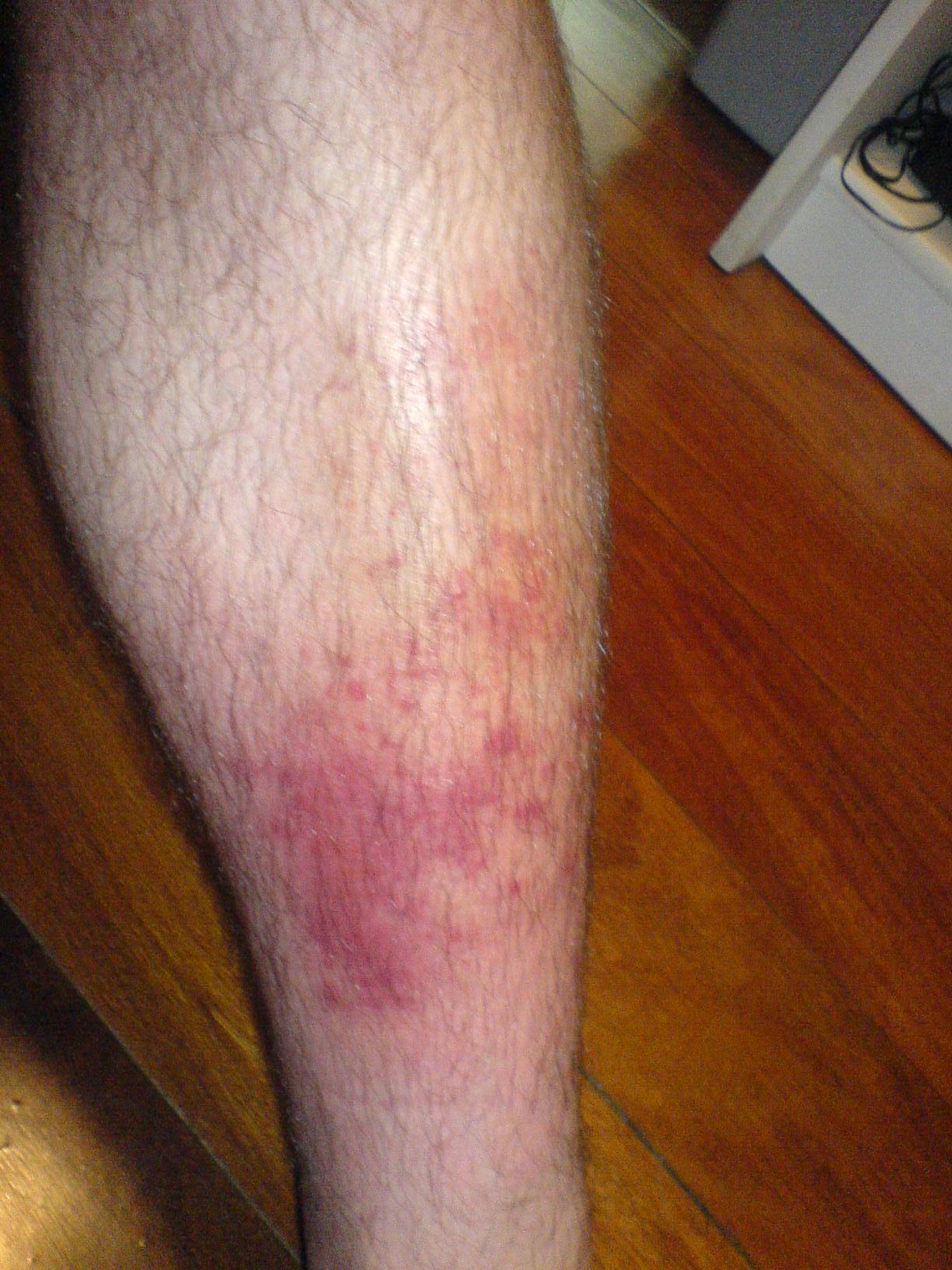
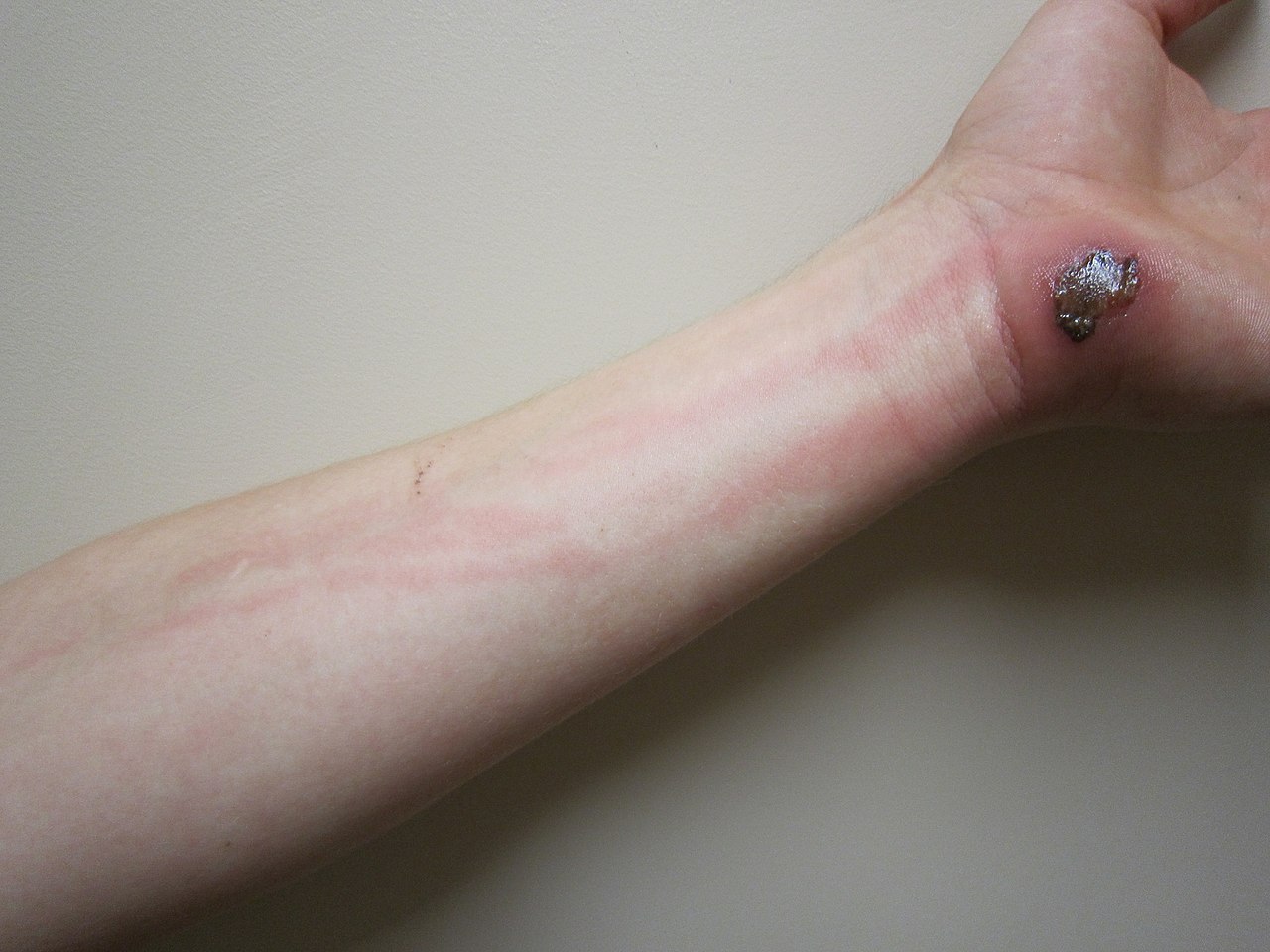
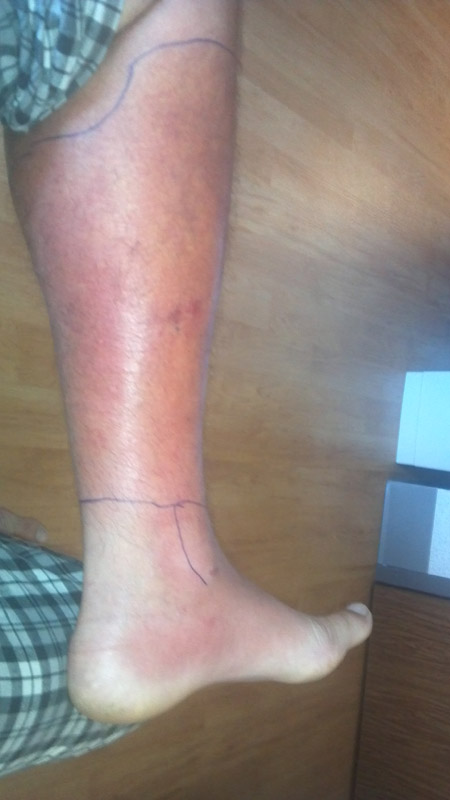
Cellulitis is an acute bacterial infection of the deeper layers of skin and subcutaneous tissue. It typically produces spreading redness, warmth, swelling and tenderness over the affected area. Fever or chills sometimes accompany the skin changes. Most cases respond to antibiotics, but delayed treatment can allow infection to progress to deeper structures or enter the bloodstream.
Image gallery
5 Images

Causes and risk factors
The most frequent bacterial causes are Staphylococcus and Streptococcus species, which enter through breaks in the skin. Common portals include cuts, abrasions, insect bites, surgical wounds and fissures from dry skin. Underlying conditions that increase risk include chronic swelling of a limb, athlete's foot, diabetes, immune suppression and intravenous drug use.
Signs, diagnosis and when to seek care
Typical findings are localized redness that spreads, pain, warmth and swelling. Lymph nodes may be tender and a fever can develop. Diagnosis is usually clinical; blood tests, wound cultures or imaging are used when the presentation is severe, atypical or when an abscess or deeper infection is suspected. Prompt medical assessment is important for rapidly progressing disease or systemic symptoms.
Treatment
Mild cellulitis is commonly treated with oral antibiotics targeting streptococci and staphylococci, along with elevation of the limb and pain relief. More severe cases require intravenous antibiotics and sometimes hospital care. If an abscess forms, incision and drainage may be necessary. Treatment choice is guided by severity, likely organisms and local antibiotic resistance patterns.
Complications and prevention
Potential complications include recurrent episodes, spread to deeper tissues (for example, necrotizing infection rarely), and bloodstream infection. Preventive measures focus on skin care: clean and protect breaks in the skin, treat fungal infections between toes, control chronic swelling, and manage chronic diseases such as diabetes. Early treatment of small wounds reduces risk.
Distinctions and notable facts
- Cellulitis vs erysipelas: erysipelas is a more superficial, sharply demarcated infection often caused by Streptococcus.
- Cellulitis vs cellulite: the two are unrelated; cellulite is a cosmetic term for subcutaneous fat irregularity.
- Conditions that can mimic cellulitis include deep vein thrombosis, contact dermatitis, gout and insect bite reactions; clinical assessment is key.
Further resources
Related articles
Author
AlegsaOnline.com Cellulitis: causes, symptoms, diagnosis, treatment and prevention Leandro Alegsa
URL: https://en.alegsaonline.com/art/17912
Sources
- ncbi.nlm.nih.gov : "Cellulitis - PubMed Health"