
Wound (medical): types, healing, management and notable facts
Concise medical overview of wounds: definitions, open vs closed types, healing stages, common treatments, complications, and historical notes.
Overview
In medicine a wound is any physical injury in which body tissue is damaged. The term covers a wide range of injuries from a superficial scrape to a deep, penetrating cut or crushing injury. Wounds are often described by cause and by whether the skin barrier is breached: an open wound breaks the skin, while a closed wound damages internal tissue without an external opening. In general usage the phrase also appears in discussions of physical injury and trauma care.
Image gallery
10 Images
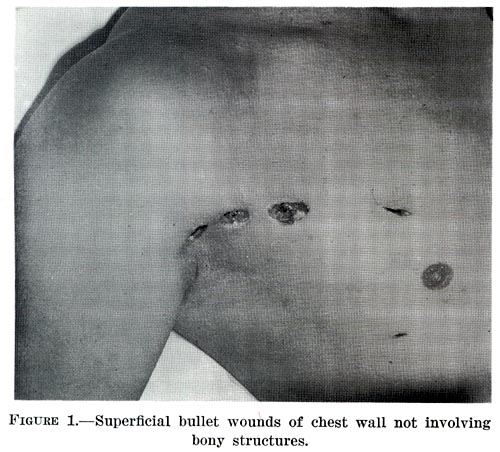


Types of wounds
Wounds can be classified in several overlapping ways: by mechanism, depth, contamination, and chronicity. Common categories include:
- Lacerations and incised wounds — tears or cuts made by sharp objects.
- Puncture wounds — narrow, deep openings from nails, needles, or animal bites.
- Avulsions and crush injuries — extensive tissue loss or damage from blunt force.
- Contusions or bruises — closed wounds where blood collects under the skin (bruise).
- Chronic wounds — lesions that fail to progress through normal healing, such as diabetic foot ulcers or pressure sores.
Healing and care
Healing proceeds through overlapping stages: hemostasis, inflammation, proliferation (new tissue and blood vessels form), and remodeling. Immediate care focuses on stopping bleeding, preventing contamination, and assessing depth and associated injuries. Sutures, adhesives, or dressings may be used for closure; some wounds are left open to drain. Management also includes tetanus prophylaxis and, when appropriate, antibiotics. The underlying condition of the person—nutrition, circulation, and immune status—strongly influences recovery.
Complications and distinctions
Potential complications include infection, delayed healing, scarring, and functional impairment. In pathology the term can be used more narrowly; for example, some specialists use pathology concepts to distinguish chronic from acute tissue injury. A "mortal wound" historically refers to an injury that causes death, directly or through complications.
History, importance and examples
Recognition and treatment of wounds has driven major advances in medicine: antisepsis, surgical technique, and wound dressings evolved from battlefield experience and public health needs. Everyday examples range from a small kitchen cut to surgical incisions and traumatic battlefield injuries. Understanding wound types, appropriate first aid, and when to seek professional care remains central to reducing morbidity.
For more clinical detail consult sources in skin and dermatology literature and trauma references; epidemiology and injury prevention materials address causes and public health responses. Related clinical resources include emergency care and wound-healing specialists. Medicine and public health guides offer practical protocols for assessment and referral.
Questions and answers
Q: What is a wound according to medicine?
A: A wound is a physical injury where the skin is torn, cut or punctured (open wound) or bruised by blunt force trauma (closed wound).
Q: What does wound mean in pathology?
A: In pathology, wound specifically means a sharp injury that damages the dermis of the skin.
Q: What is a mortal wound?
A: A mortal wound is a type of wound that leads directly to the death of the victim.
Q: Can a bruise be considered a wound?
A: Yes, a bruise is a type of wound caused by blunt force trauma.
Q: What are the different types of open wounds?
A: The different types of open wounds are laceration (a cut that goes deep into the skin), puncture (a small, deep hole in the skin caused by a sharp object), and avulsion (a partial or complete tearing away of the skin).
Q: How is a closed wound different from an open wound?
A: A closed wound is different from an open wound because the former doesn't involve a break in the skin, but instead is caused by blunt force trauma that results in a bruise.
Q: Can all wounds be considered dangerous?
A: No, not all wounds are dangerous, although some can be. It depends on the severity, location, and extent of the damage caused by the wound.
Related articles
Author
AlegsaOnline.com Wound (medical): types, healing, management and notable facts Leandro Alegsa
URL: https://en.alegsaonline.com/art/109160