
Cerebrovascular disease
Disorders of the brain’s blood vessels that disrupt cerebral blood flow, causing strokes, transient ischemic attacks, hemorrhages and long-term complications such as vascular dementia.
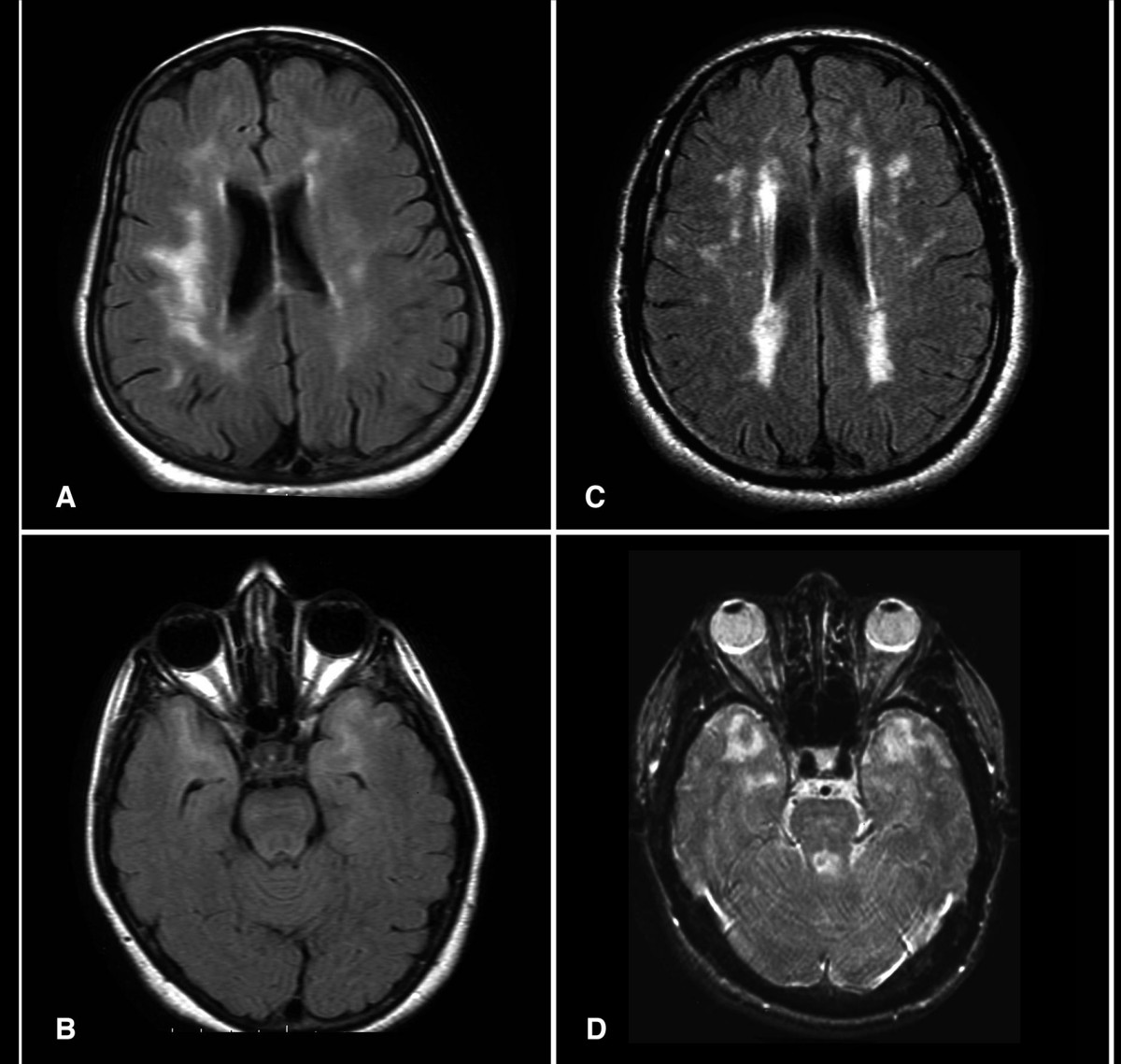
Cerebrovascular disease refers to a group of conditions in which the blood vessels that supply the brain become narrowed, blocked or rupture, impairing delivery of oxygen and nutrients. Disruption of cerebral circulation most commonly produces a stroke — an acute focal neurological deficit — but can also present as a transient ischemic attack (TIA), intracerebral hemorrhage, or chronic small‑vessel disease. These events can lead acutely to loss of function and, over time, contribute to cognitive decline such as vascular dementia.
Image gallery
3 Images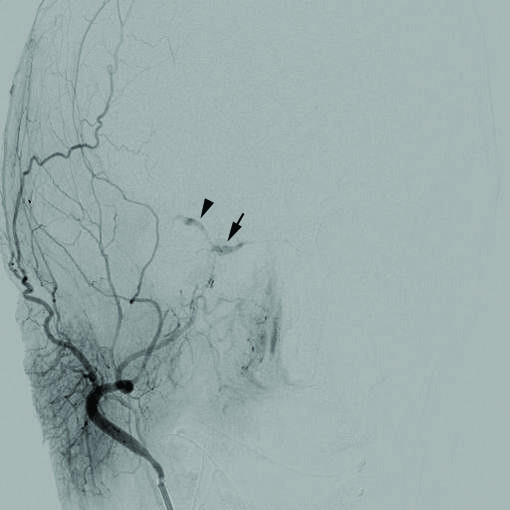
Types and typical features
Broadly, cerebrovascular disease is divided into ischemic and hemorrhagic syndromes. Ischemic events result from thrombosis, embolism or severe narrowing of arteries and include major cerebral infarcts and TIAs. Hemorrhagic events involve bleeding within the brain or its coverings and may be spontaneous or secondary to vascular malformations. Common clinical signs are sudden weakness or numbness on one side of the body, difficulty speaking or understanding, vision changes, imbalance, and abrupt severe headache. TIAs produce similar symptoms but resolve quickly.
Causes and risk factors
Multiple processes contribute to cerebrovascular disease. Atherosclerosis of extracranial and intracranial arteries, high blood pressure, cardiac sources of emboli (for example atrial fibrillation), diabetes, smoking, high cholesterol, and advancing age are prominent risk factors. In some cases, less common causes such as vasculitis, arterial dissection, or inherited vascular disorders are responsible. Prevention focuses on modifying these risks and maintaining healthy cerebral perfusion.
Diagnosis and acute management
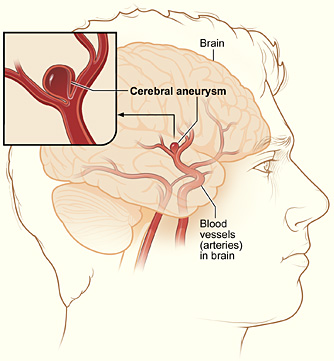
Diagnosis combines clinical assessment with imaging: non‑contrast CT and MRI identify ischemia or hemorrhage and determine treatment suitability. Vascular imaging (ultrasound, CT/MR angiography, conventional angiography) helps locate occlusions or aneurysms. Acute ischemic stroke treatment may include intravenous thrombolysis or mechanical thrombectomy when indicated; hemorrhagic strokes may require blood pressure control, reversal of anticoagulation, and sometimes neurosurgical intervention. Rapid recognition and treatment are critical — often summarized as "time is brain."
Long-term care and outcomes
After the acute phase, rehabilitation, secondary prevention and management of complications are central. Antiplatelet or anticoagulant therapy, statins, blood pressure control, diabetes management, smoking cessation and lifestyle changes reduce recurrence risk. Rehabilitation addresses motor, speech and cognitive deficits. Many survivors regain function, but some experience persistent disability or progressive cognitive impairment linked to repeated vascular injury.
Notable distinctions and further information
Although "stroke" is often used synonymously with cerebrovascular disease, the term covers a wider range of vascular pathologies affecting the brain. For concise definitions and patient resources see general information on stroke and the physiology of cerebral oxygen delivery. Understanding the difference between transient events and established infarction, and between ischemic and hemorrhagic mechanisms, guides treatment and prevention strategies.
Related articles
Author
AlegsaOnline.com Cerebrovascular disease Leandro Alegsa
URL: https://en.alegsaonline.com/art/18176
Sources
- who.int : "WHO | Stroke, Cerebrovascular accident"
- nhs.uk : "Vascular dementia - Causes - NHS Choices"
- books.google.com : Clinical Review of Surgery | ABSITE Review
- nhs.uk : "Cerebrovascular disease - NHS Choices - Risks and prevention"
- nlm.nih.gov : "Stroke: MedlinePlus Medical Encyclopedia"