
Staphylococcus — genus of gram-positive cocci bacteria
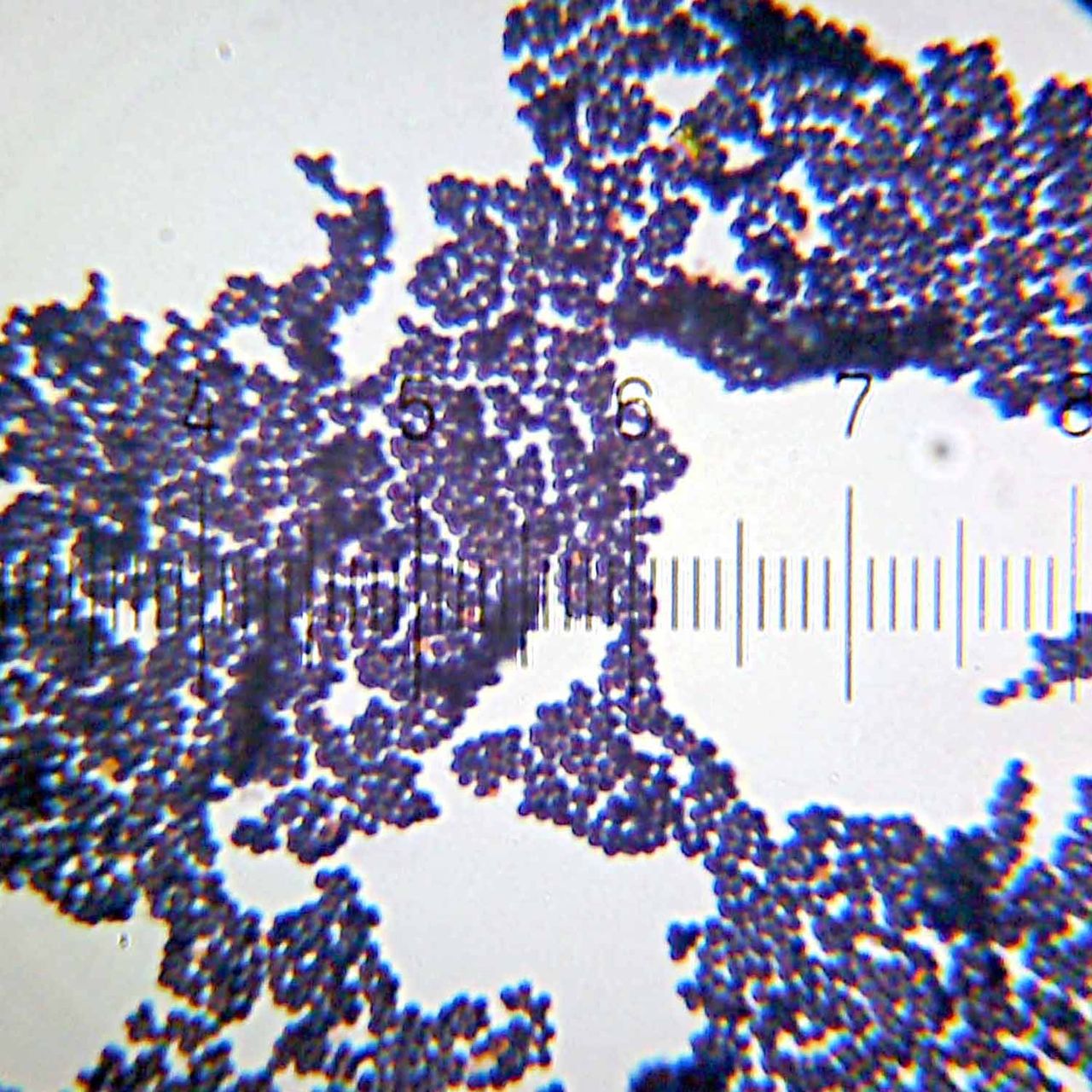
Staphylococcus is a genus of spherical, gram-positive bacteria that form grape-like clusters. Most species are harmless skin and mucous membrane commensals; some, notably S. aureus, cause infections and may resist antibiotics.
Overview
Staphylococcus is a genus of gram-positive, spherical bacteria (cocci) that characteristically appear in irregular grape-like clusters when viewed microscopically. The genus name combines Greek words meaning "bunch of grapes" and "granule." Members colonize the skin, nasal passages and other mucous membranes of humans and animals worldwide and are also present in soil and on inanimate surfaces. For a general taxonomic summary see genus overview.
Image gallery
4 Images


Biology and laboratory identification
Staphylococci are non-motile, non-spore-forming and typically facultative anaerobes. They are catalase-positive, which helps distinguish them from streptococci, and many laboratory workflows use catalase and coagulase tests along with culture characteristics to identify species. Gram-stain appearance and microscopy are commonly used in initial evaluation; more detailed staining and morphological guides appear at Gram stain resources. Clinical laboratories expand identification with biochemical panels, mass spectrometry or molecular assays; common diagnostic approaches are summarized at clinical tests.
Species, ecology and taxonomy
The genus comprises more than forty recognized species and several subspecies, with some species adapted to specific hosts. Frequently encountered human-associated species include Staphylococcus aureus, S. epidermidis and S. saprophyticus. Most species are harmless commensals on skin and mucous membranes, though they can persist in the environment and on fomites. Current taxonomic references and curated species lists are available from specialized sources at taxonomic sources and broader microbial repositories at microbial resources.
Clinical importance
While many staphylococci are benign, several are important human pathogens. S. aureus can cause skin and soft tissue infections, septicemia, pneumonia, bone and joint infections, and toxin-mediated conditions such as food poisoning and toxic shock syndrome. Coagulase-negative staphylococci, particularly S. epidermidis, are notable causes of device-associated and nosocomial infections. Practical clinical summaries and management guidance can be consulted at clinical summaries.
Antibiotic resistance and public health
Antibiotic resistance among staphylococci is a major public health concern. Methicillin-resistant S. aureus (MRSA) and other resistant strains limit treatment options and have driven changes in antibiotic stewardship, infection control, and surveillance. Strategies to limit spread include hand hygiene, contact precautions, decolonization in selected settings, and prudent antibiotic use; summary guidance and resistance-control resources are available at resistance guidance and prevention-oriented materials at prevention resources.
Detection, prevention and ongoing research
Detection combines culture, biochemical testing, molecular assays and antimicrobial susceptibility testing to guide therapy. Prevention emphasizes standard infection-control practices, proper wound care and device management. Research continues into vaccines, new antimicrobials, diagnostic improvements and the ecological factors that determine when commensal staphylococci become pathogenic. Improved understanding of these areas supports both clinical care and public health efforts.
Related articles
Author
AlegsaOnline.com Staphylococcus — genus of gram-positive cocci bacteria Leandro Alegsa
URL: https://en.alegsaonline.com/art/93412