
Cesarean section (C-section): procedure, history, indications and outcomes
A Cesarean section (C-section) is a surgical method to deliver a baby through incisions in the abdomen and uterus. This article explains types, indications, risks, history, and global trends.
Overview
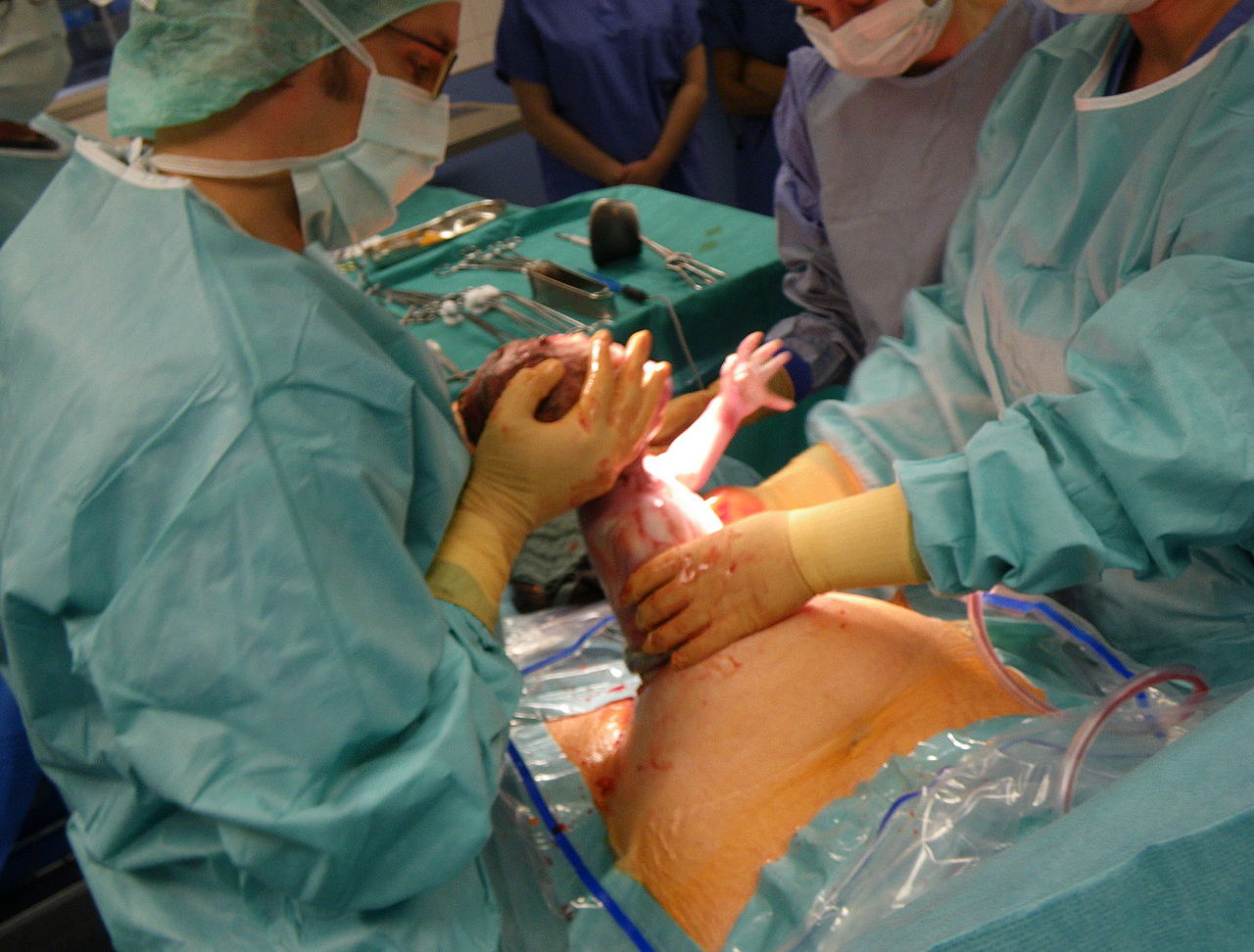
A Cesarean section, commonly called a C-section, is an operative delivery in which the baby is born through an incision in the mother’s abdomen and uterus. The procedure is also known by the Latin name Sectio caesarea, and the alternative English spelling "Caesarean section" is sometimes used. C-sections are performed to improve the safety of childbirth when vaginal delivery is impractical or risky, and they may be planned in advance or carried out as an emergency. In clinical contexts the operation is a form of surgery and a means of facilitating childbirth when required.
Image gallery
10 Images




Procedure and common techniques
Most Cesarean deliveries follow a standard sequence: preparation and anesthesia, abdominal incision, delivery of the infant, removal of the placenta, repair of the uterus and closure of the abdominal wall. Regional anesthesia (spinal or epidural) is commonly used so the mother is awake but pain-free; general anesthesia may be needed in urgent cases. Two principal uterine incisions are used in contemporary practice: a low transverse incision across the lower uterine segment and a classical vertical incision higher on the uterus. The low transverse approach is associated with lower bleeding and better outcomes in future pregnancies for many women.
Indications and uses
- Medical indications: fetal distress, placenta previa, obstructed or prolonged labor, certain abnormal presentations (for example some breech or transverse positions), and maternal conditions that make vaginal birth dangerous.
- Repeat Cesarean: prior uterine surgery is a frequent reason for offering a repeat C-section, though vaginal birth after Cesarean (VBAC) is an option for some people.
- Elective Cesarean: in some settings, delivery on maternal request or scheduling reasons may occur when no strict medical indication exists.
- Rare uses: a surgical removal of the fetus during pregnancy for termination is called a hysterotomy abortion; such procedures are uncommon and reserved for particular clinical circumstances.
Risks, outcomes and recovery
Compared with vaginal birth, Cesarean delivery involves surgical risks such as wound infection, hemorrhage, thromboembolic events, anesthetic complications, and longer recovery time. Newborns delivered by C-section may have a higher incidence of transient respiratory difficulties at birth. Recovery commonly takes a few weeks: pain control, wound care and stepped increases in activity are typical parts of postoperative care. Multiple Cesareans can increase the chance of complications in later pregnancies, including placenta accreta spectrum disorders.
History and epidemiology
Surgical birth has ancient references in many cultures. A long-standing legal tradition in Rome indicated that a living fetus should not be buried with a deceased mother, mentioned in classical legal texts; later medical and surgical descriptions evolved over centuries. The modern era of Cesarean surgery is often traced to procedures developed in the 19th century; one commonly cited milestone is the operation by Ferdinand Adolf Kehrer in 1881. Global Caesarean rates have risen markedly in recent decades: they vary widely by country and health system, and many regions now report rates well above one in four births. Public-health bodies have observed that population-level increases beyond a certain point are not clearly linked to additional reductions in maternal or newborn mortality.
Distinctions and notable facts
- Elective versus emergency C-sections: timing and context influence risks and choices.
- Vaginal birth after Cesarean (VBAC) is feasible for many but requires individualized assessment.
- Rates and practices differ by region: some countries have reported very high Caesarean frequencies, while others remain low; these differences reflect clinical, cultural and systemic factors.
- Legal, ethical and social issues surround indications, informed consent and access to safe surgery; historical legal references appear in sources such as Roman law and later commentaries.
For summaries of clinical guidance, historical context and public health perspectives see resources on surgical practice and maternal health: maternal health information, comparisons with vaginal birth, and general clinical reviews on indications and outcomes (hysterotomy information, abortions by hysterotomy). Historical and legal notes are discussed in older compilations and digests (Roman law references).
Related articles
Author
AlegsaOnline.com Cesarean section (C-section): procedure, history, indications and outcomes Leandro Alegsa
URL: https://en.alegsaonline.com/art/18237
Sources
- oxfordlearnersdictionaries.com : "cesarean noun - Definition, pictures, pronunciation and usage notes - Oxford Advanced American Dictionary at OxfordLearnersDictionaries.com"
- msnbc.msn.com : "C-section rates around globe at 'epidemic' levels"