
Sponge cake: light, egg‑leavened cakes and their varieties
A sponge cake is a light, airy cake made chiefly from eggs, sugar and flour. This article explains ingredients, methods, history, common uses, and how sponge cakes differ from butter cakes.
Sponge cake refers to a family of cakes whose structure depends primarily on air incorporated into beaten eggs rather than on large quantities of fat or chemical leaveners. The result is a porous, tender crumb that can be eaten plain or used as a base for layered desserts. For a general sense of the category see cake.
Image gallery
10 Images


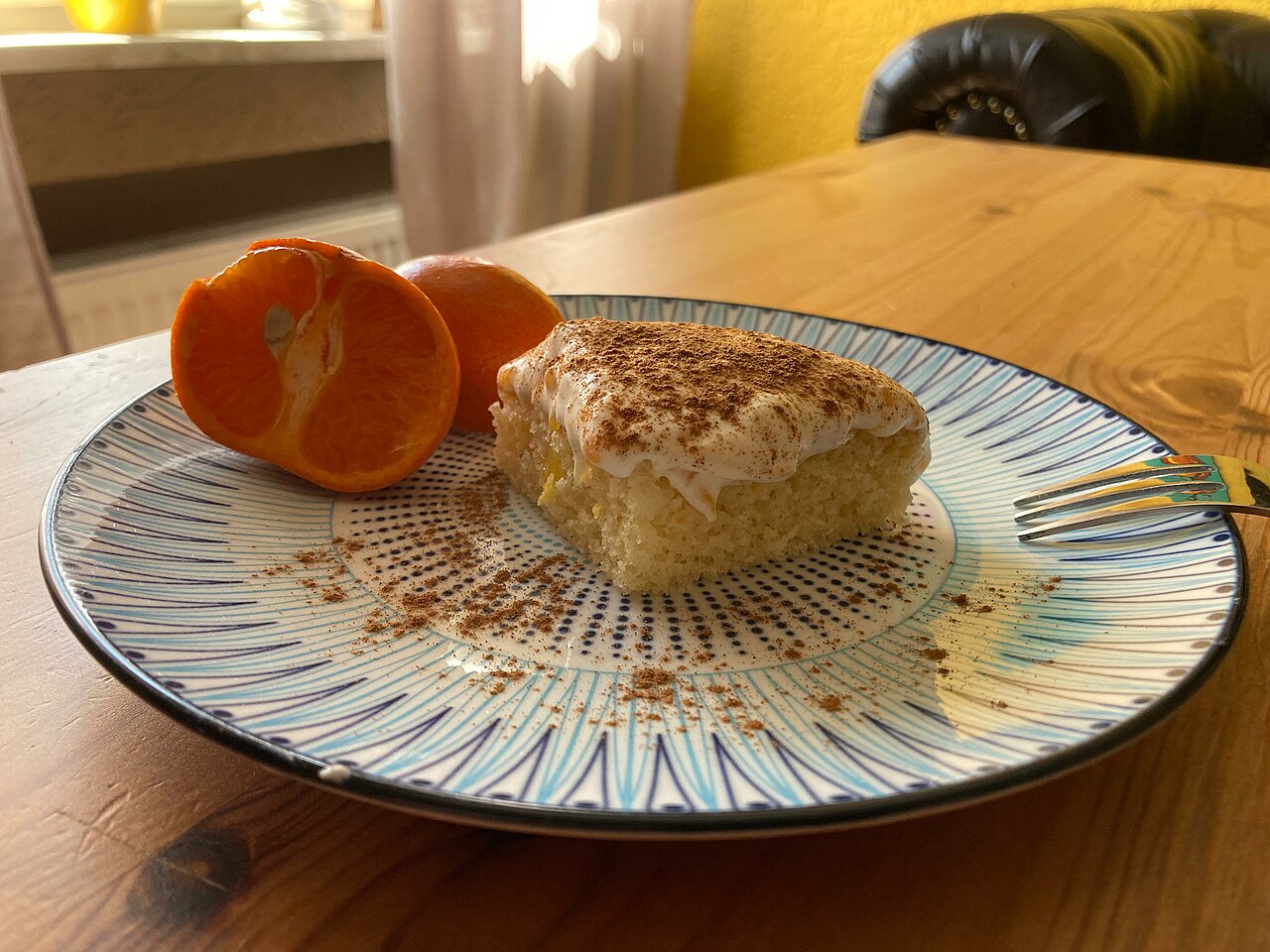


Characteristics and ingredients
Typical sponge formulas use a few simple ingredients: eggs, sugar and a relatively small amount of flour. The eggs provide lift when whipped, while sugar stabilizes the foam. Many recipes call for plain wheat flour; some use cake flour for a finer texture. Ingredients commonly found in a basic sponge include:
- flour (often sifted and folded in gently)
- wheat flour variants such as cake flour
- sugar to sweeten and help stabilize beaten eggs
- eggs, usually beaten to a light, voluminous foam
Preparation methods
Two broad techniques produce sponge cakes: the foam method and the rubbed or creamed method. The foam method relies on beating whole eggs or separated whites with sugar until thick and airy, then folding in flour. Some styles, such as genoise, are made by warming eggs and sugar before whipping. Other sponges incorporate butter or oil after aeration to enrich the crumb.
History and notable varieties
Sponge-style cakes developed as bakers learned to trap air in eggs, a practice dating back centuries in Europe and elsewhere. Well-known varieties include the Victoria sponge—named for 19th‑century Britain’s Queen Victoria—which is often filled with jam and cream; angel food cake, an American white‑egg, no‑fat sponge; and genoise, an Italian‑French style richer in eggs. Chiffon cake is a related form that adds oil for moistness while still depending on beaten eggs for lift.
Uses and practical notes
Because of their open crumb, sponge cakes absorb syrups and liqueurs well, making them useful in layered cakes, trifles, roulades and charlottes. They are commonly split and filled with jam, pastry cream or whipped cream. Sponges are best consumed fresh but may be wrapped and frozen for longer storage.
Distinguishing sponges from other cakes
Unlike butter cakes, which rely on creamed fat and baking powder for rise and tenderization, sponge cakes get most of their volume from aerated eggs. That difference affects texture, flavor and handling: sponges are lighter and more delicate, requiring gentle folding and careful baking to preserve the egg foam.
For further reading on recipes and techniques, search guides and recipe collections linked to general cake resources at cake overviews and ingredient references at flour guides, wheat flour types, sugar and sweeteners, and egg preparation.
Related articles
Author
AlegsaOnline.com Sponge cake: light, egg‑leavened cakes and their varieties Leandro Alegsa
URL: https://en.alegsaonline.com/art/92762
Sources
- books.google.com : Gas Installation Technology