
Caste: social order, history, and modern change
Overview of the caste concept originating in South Asia: structure, historical development, social effects, legal reforms, and continuing significance in contemporary societies.
The term "caste" refers to a form of social stratification best known from the Indian subcontinent where it has shaped social life for many centuries. In broad use it describes inherited, regularly endogamous groups with traditional associations to particular occupations, ritual status, and rules about marriage and social interaction. Caste is most closely associated with Hindu society in South Asia, especially within the systems that developed and were described in ancient texts; however, comparable hierarchical groupings have also existed among non‑Hindu communities and in other regions of South Asia. India is frequently discussed in studies of caste because its historical and contemporary institutions have been widely documented and legislated.
Image gallery
8 Images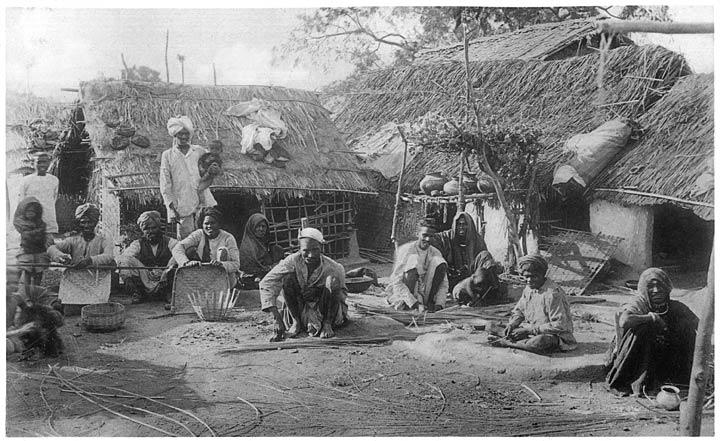
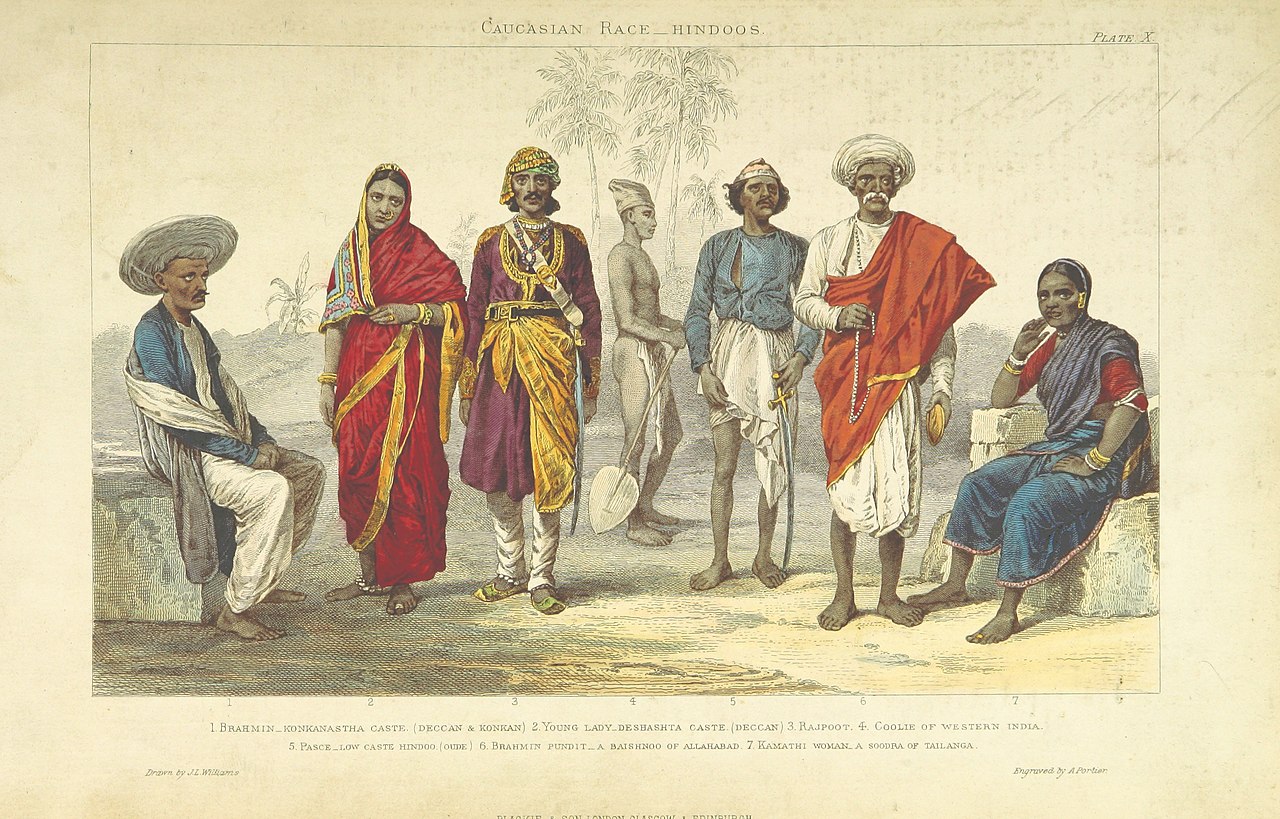


Structure and common categories
Two concepts are often distinguished in explanations of caste: the varna model and the jati system. Varna is a broad fourfold classification described in some early sources, while jati refers to the many localized, endogamous groups that organize everyday social life. The familiar four varnas are commonly listed as:
- Brahmin — typically associated with religious duties, learning and teaching; often described in texts as priests or scholars, sometimes linked in practice to ritual functions such as temple rites (priests).
- Kshatriya — groups historically associated with governance, protection and military roles; in classical descriptions they are the rulers and warriors (kings or governors).
- Vaishya — those connected with trade, agriculture and commerce; merchants and landlords are typical occupational identities (merchants, landowners).
- Shudra — broadly associated with service and manual work; peasants, artisans and labourers are often placed in this category (labourers).
- Outside or alongside these categories are groups historically described as "untouchable" or Dalits, who were assigned occupations deemed ritually impure and who faced severe social exclusion.
In practice the lived reality has been dominated by jati identities, with thousands of named communities whose rules and status can vary by region. Jati networks have governed marriage choices (endogamy), occupational inheritance, and local ritual life in many villages and towns.
Historically, elements of the caste ordering appear in early South Asian religious and legal texts, though scholars debate the timing and mechanisms by which fixed hierarchies became entrenched. Over time the boundaries between groups hardened in many regions, creating durable patterns of privilege and disadvantage. Caste relationships also interacted with landholding, political power and colonial policies in ways that altered local societies.
Modern developments have changed but not erased caste dynamics. The Constitution of India (1950) outlawed untouchability and provided for affirmative measures—commonly called reservations—in education and public employment to address historic disadvantage. Urbanization, economic change, social reform movements, legal interventions and political mobilisation by caste‑based groups have all reshaped opportunities and identities. At the same time, caste continues to influence access to resources, social networks and political representation in many places.
Important distinctions to remember: "caste" is a term with local variations and historical layers; not all aspects attributed to a single model apply uniformly across time and region. Comparable systems of hereditary hierarchy have been identified outside Hinduism and outside South Asia, but their forms and consequences differ. Contemporary scholarship and social debate focus on how to reduce discrimination while recognising the cultural and community dimensions of these identities.
Related articles
Author
AlegsaOnline.com Caste: social order, history, and modern change Leandro Alegsa
URL: https://en.alegsaonline.com/art/17467