
Peasant: rural agricultural laborer and member of the peasantry
A peasant is a member of a rural agricultural class historically tied to land and subsistence farming; the term covers varied forms of tenancy, labor obligations, and social roles across periods and regions.
Overview
The term peasant traditionally refers to a rural agricultural worker who lived in the countryside and produced food, usually on land they held under various forms of tenure or on land owned by others. Peasants formed a large share of preindustrial populations and provided the staple foods and labor base for towns and elites. In discussion of past societies the word often denotes small-scale, subsistence-oriented farming and a social position distinct from urban dwellers and large landowners. For a basic definition see peasant.
Image gallery
10 Images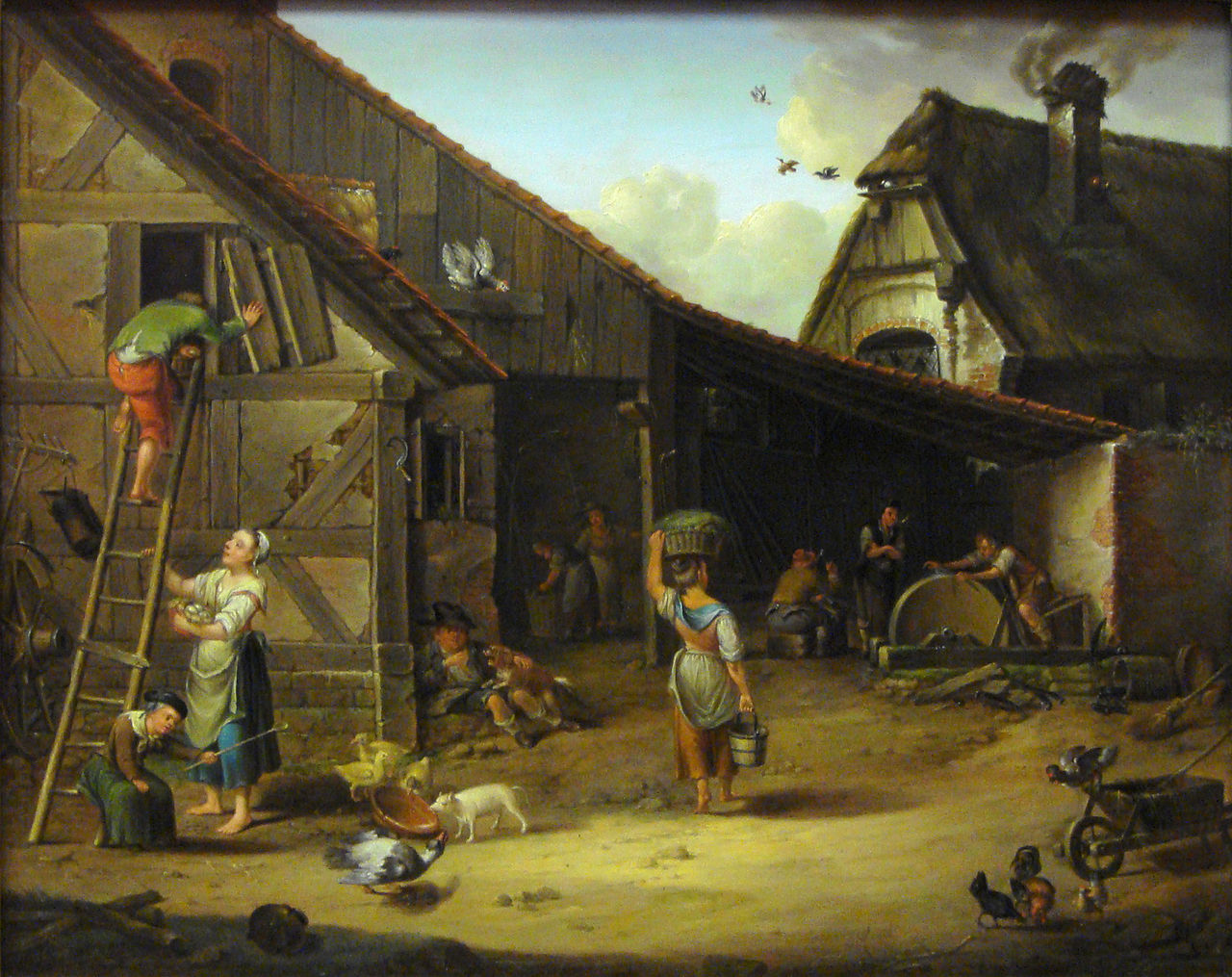


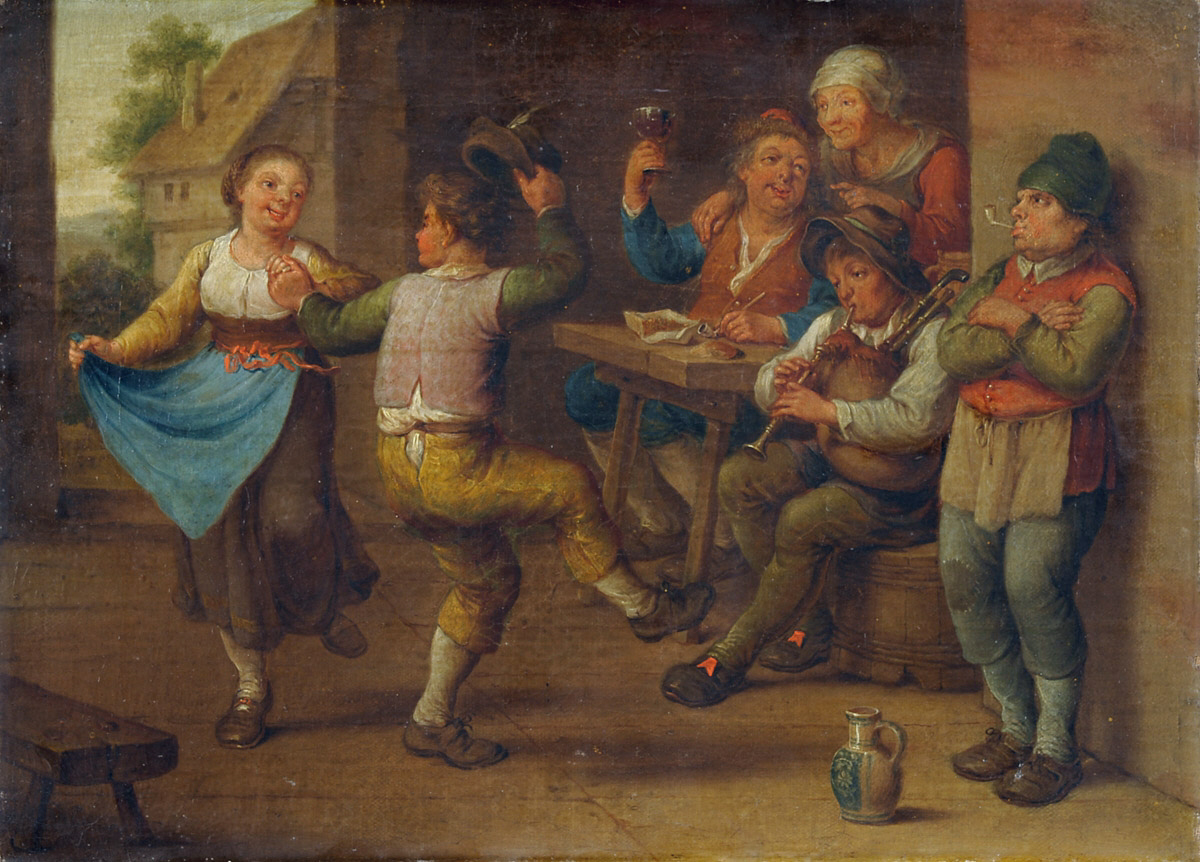


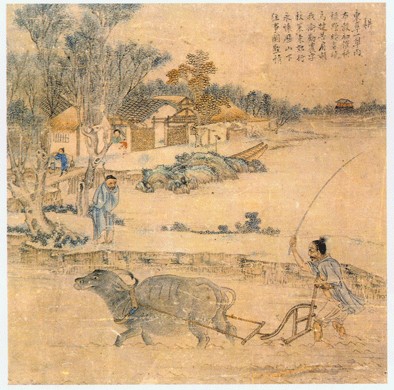

Characteristics and daily life
Peasant households varied widely, but common features included simple housing, coarse clothing, manual tools, and diets based largely on locally grown staples. Work cycles followed the seasons, with intensive labour at planting and harvest and quieter periods in winter. Literacy rates among peasants were generally low in many historical settings, which affected access to legal and administrative information and constrained social mobility; for more on literacy and rural life see rural literacy.
Land tenure, obligations, and variants
Peasants might be independent smallholders, tenant farmers who paid rent or a share of production, or labor-bound serfs. Under feudal arrangements, peasants typically owed labor services, taxes or rents to a lord and had certain customary rights to use common land; for context on feudal institutions see feudalism. The legal status of a bound peasant is often called serfdom (serf), while terms like sharecropper or tenant describe other forms of tenancy and obligation. Agricultural workers who managed slightly larger or more market-oriented plots are sometimes distinguished as farmers rather than peasants (farmers).
Gender, family, and community roles
Work in peasant economies was distributed across the household: men, women and children all contributed in the fields, to animal care, and to tasks such as food preparation, textile production and child care. Women often combined fieldwork with domestic responsibilities, and community institutions — such as village councils, cooperatives or customary courts — played a key role in regulating land use, labor obligations and dispute resolution.
Historical development and modern transformations
Over centuries the nature of peasant life changed with processes like commercialization of agriculture, enclosure of common lands, state-building, mechanization and urban migration. In the 19th and 20th centuries many regions experienced land reforms, rural protest movements, or collectivization efforts that altered peasant property and labour relations. Today the term survives in academic, political and popular use to describe a range of rural livelihoods and identities, from subsistence producers to smallholders integrated into markets.
Importance and distinctions
Studying peasants illuminates food systems, social structure and political change in many societies. Scholars emphasize differences between a peasant identity (community, customary law, subsistence orientation) and the broader category of agricultural worker. Peasant movements have influenced agrarian reform and national politics in many countries, and cultural representations of peasants appear widely in literature, art and folklore.
- Common peasant duties: tilling, sowing, harvesting, animal husbandry, maintenance of common resources.
- Types of tenure: free smallholding, tenancy, sharecropping, serfdom.
- Relevant issues today: land rights, rural development, migration, sustainable agriculture.
For introductory resources and further reading, consult basic summaries and region-specific studies via general overviews, historical treatments of feudal systems, comparative work on farming, discussions of rural literacy and education at rural literacy, and definitions of legal statuses such as serfdom.
Related articles
Author
AlegsaOnline.com Peasant: rural agricultural laborer and member of the peasantry Leandro Alegsa
URL: https://en.alegsaonline.com/art/75366