
Kshatriya: the traditional warrior-ruler varna in South Asia
Kshatriya — the second varna in classical Hindu social order — traditionally associated with warriors, rulers and administrators; overview of roles, lineages, historical development and modern significance.
Overview
The term Kshatriya denotes the second varna in the classical fourfold Hindu social ordering, traditionally associated with martial responsibilities, governance and public protection. The category appears across sacred literature, regional histories and community traditions within the broader context of Hinduism and the social institution often described as the caste framework. As with other varnas, the idea of a Kshatriya functions as both a normative ideal and a historical label that communities have negotiated in different ways.
Image gallery
1 Image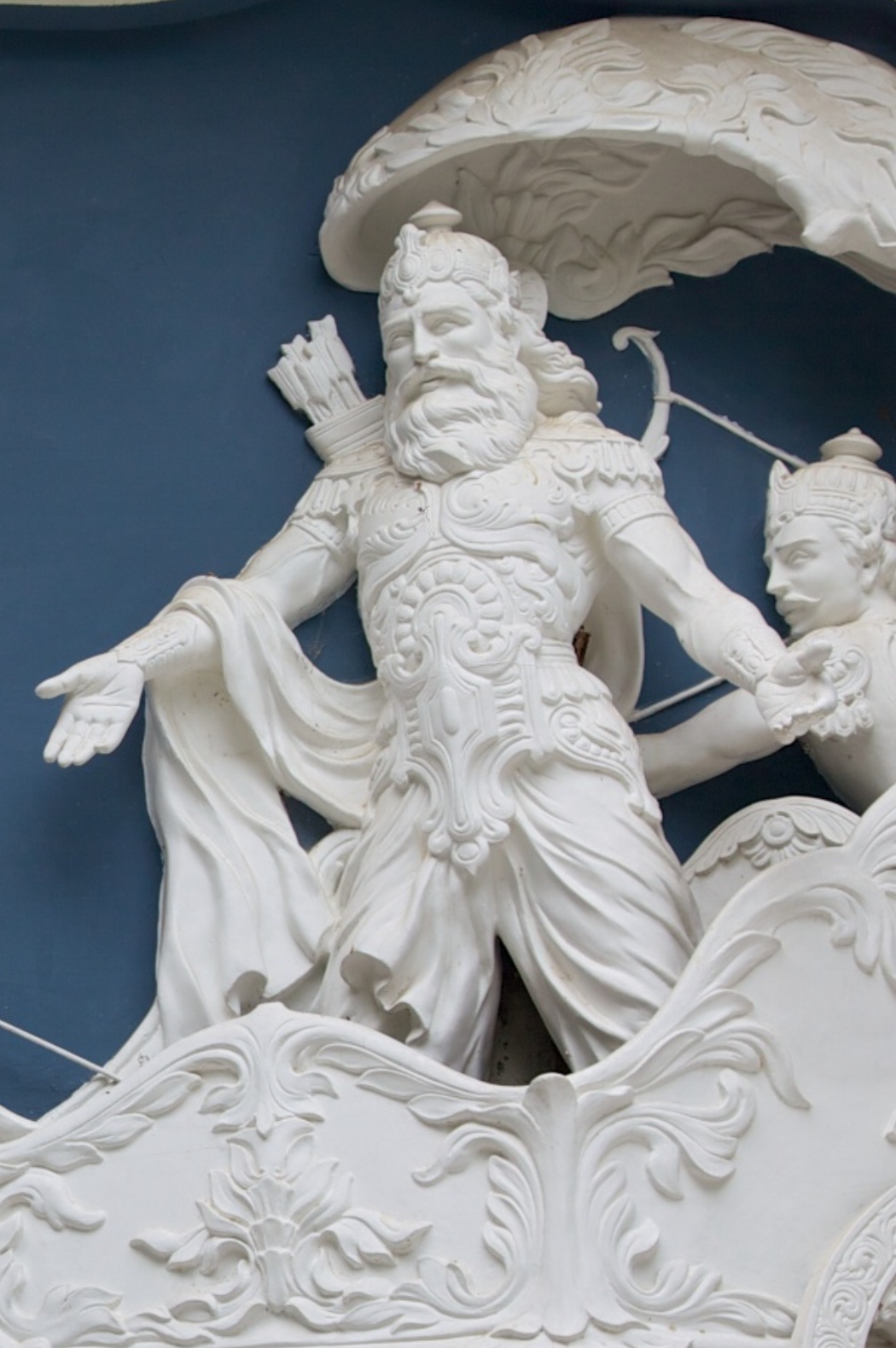
Roles and social functions
In traditional accounts Kshatriyas were expected to perform duties such as military command, defence of territory, administration of law, and the exercise of sovereign authority. Ideals attached to the varna emphasise courage, leadership and the maintenance of order; in practice, those regarded as Kshatriya combined landholding, armed service and bureaucratic tasks to varying degrees. The lived reality differed regionally and over time: in some areas hereditary warrior clans dominated, while elsewhere rising local elites adopted Kshatriya status through service, marriage or royal patronage.
Lineages and origin traditions
Dynastic and mythic genealogies have long played a role in articulating Kshatriya identity. Three well-known traditional lineages used to legitimise rulership are the Suryavanshi (solar), the Chandravanshi (lunar) and the Agnivanshi (fire) lines. Other claims, such as Nagavanshi (descent from Nagas or serpent-beings), appear in later regional traditions; such assertions often reflect local myth-making and social strategies rather than uniform ancient listings.
Historical development
The concept and social position of Kshatriyas changed substantially across ancient, medieval and colonial periods. Imperial dynasties, regional chieftains and warrior aristocracies frequently adopted Kshatriya identity to assert legitimacy. At the same time, mobility between social groups, the emergence of new martial elites, and the interplay of jati (local caste groupings) with varna categories meant that Kshatriya status could be flexible and contested. Colonial administrative categories and modern legal systems later reframed many identities for census, land and political purposes.
Modern significance and distinctions
In contemporary South Asia Kshatriya identity remains important in cultural memory, ritual practice and politics for many families and communities. Some preserve martial customs, genealogical records and ceremonial roles; for others the association is largely symbolic. It is important to distinguish the classical varna idea from the many regional castes and clans that claim Kshatriya descent: scholars stress that sacred narratives, historical memory and later inventions all contribute to how these identities are presented and perceived.
Further reading and context
For more on the broader institutions and debates about status and origin claims see introductory treatments of caste and varna, regional histories of warrior groups, and comparative studies of rulership and martial culture across South Asia. These sources help situate Kshatriya identities within long-term social change and contemporary politics.
Related articles
Author
AlegsaOnline.com Kshatriya: the traditional warrior-ruler varna in South Asia Leandro Alegsa
URL: https://en.alegsaonline.com/art/54528