
Dalit: Social identity, history, and contemporary significance
Dalit denotes communities historically subjected to caste-based exclusion in South Asia. The term encompasses social, political and cultural movements for equality, legal reforms and varied regional experiences.
Overview
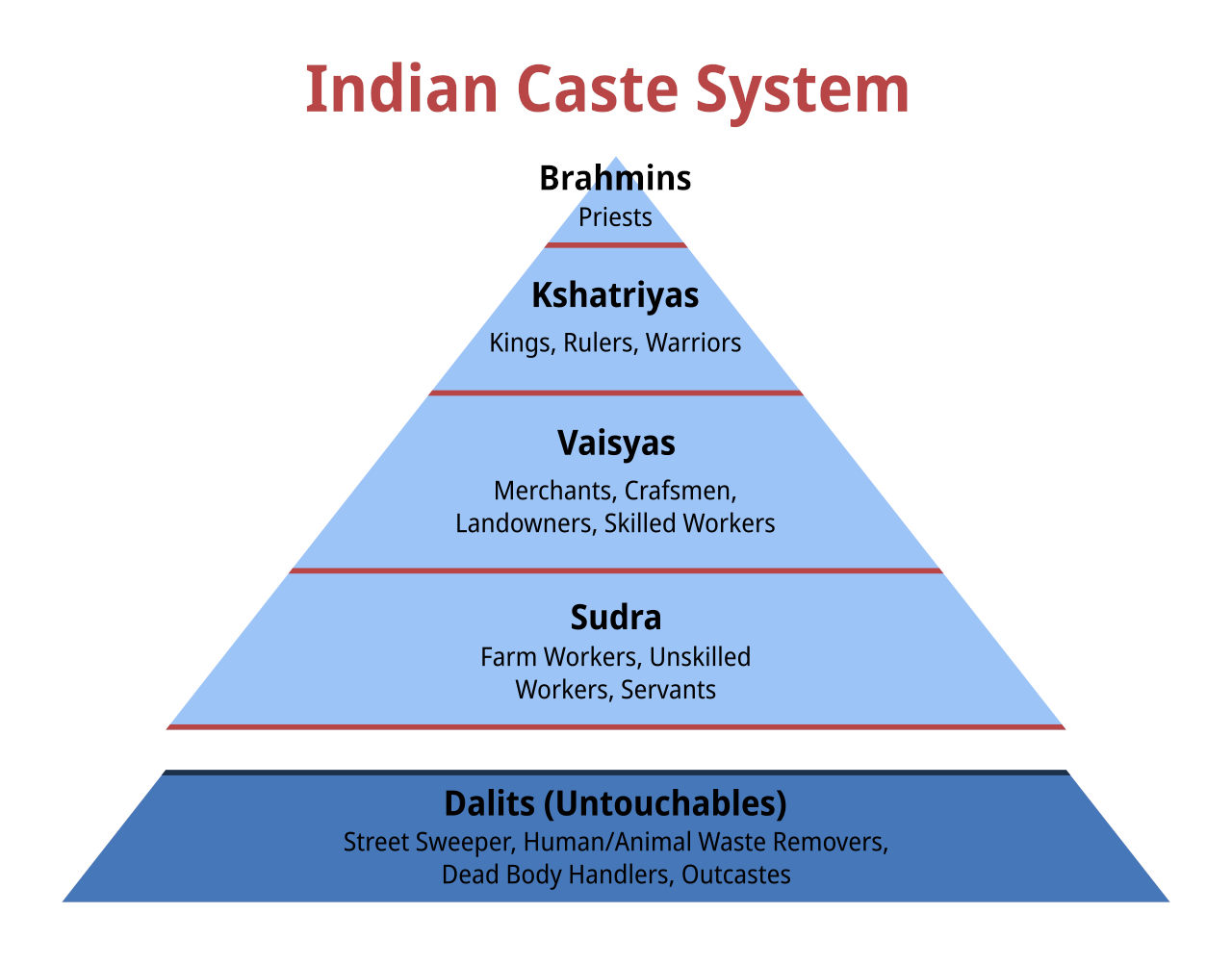
Dalit is a modern political and social identity used by people and movements who have been subjected to long-standing caste-based exclusion and discrimination in South Asia. The word derives from Sanskrit roots meaning "to split" or "to break," and has been adopted as an assertion of common experience rather than a single caste label. It has been widely used in India and in several neighboring countries to describe groups formerly referred to as "Depressed Classes," "Untouchables," or other administrative categories.
Image gallery
7 Images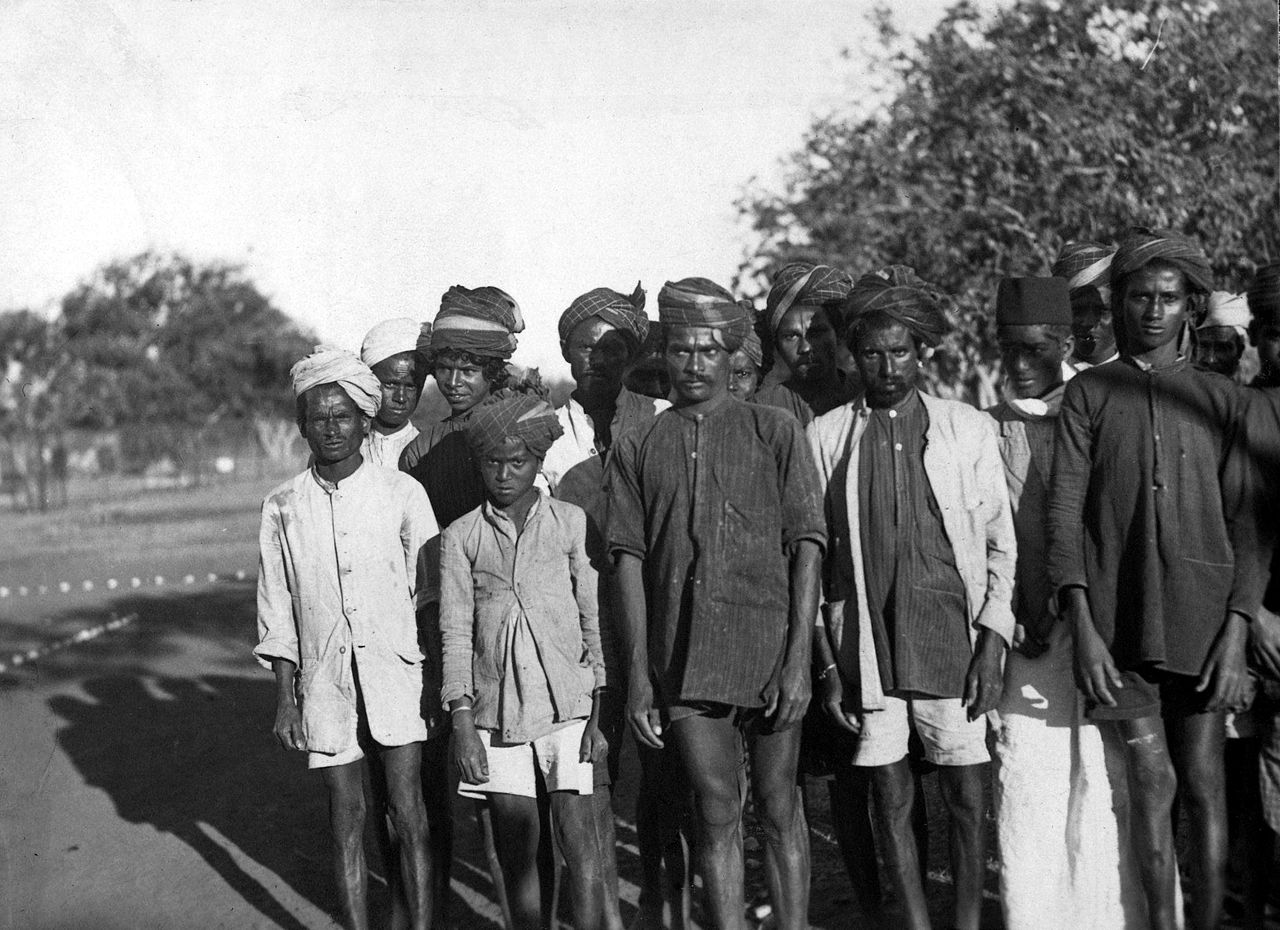

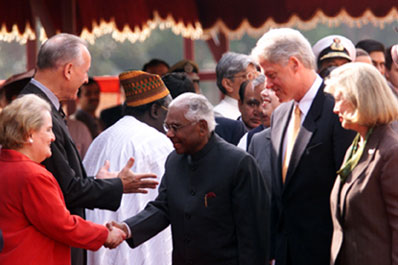
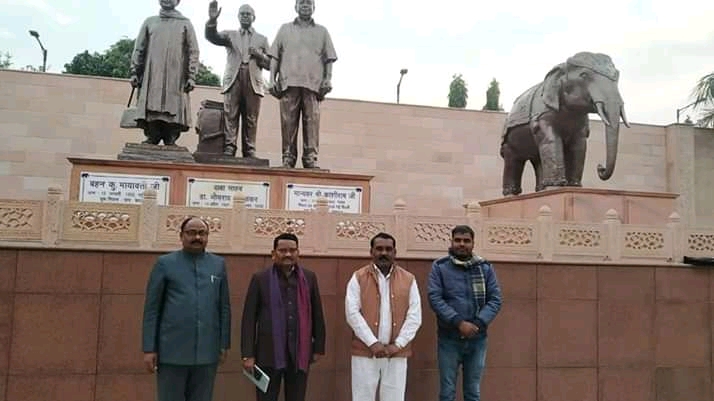


Origins and historical development
The term gained prominence in the 20th century, in part through the work of social reformers and political leaders such as B. R. Ambedkar, who framed caste-based deprivation as a political as well as moral problem. During the British colonial period, the census and legislative arrangements identified certain communities as "Depressed Classes," a category that later shaped debates over representation. The controversy around separate electorates in the 1930s — associated with the Communal Award and resulting negotiations such as the Poona Pact — influenced later provisions in the Government of India Act, 1935 and subsequent constitutional measures for reserved representation.
Where Dalit identity is used
Although most commonly associated with India, the term or related concepts appear across the region and in diaspora communities. People who identify as Dalit or face similar exclusion live in countries including India, Nepal, Sri Lanka, Pakistan, and Bangladesh. Analogous histories of social marginalization have also been documented among certain communities in parts of Eastern Africa, for example in Somalia, where caste-like hierarchies and occupational segregation have produced comparable patterns of exclusion. The phenomenon is entwined with the broader caste systems and local social structures, but its expression varies widely by region, religion and historical context.
Characteristics and social realities
Dalit communities have historically faced multiple forms of disadvantage: social segregation and "untouchability," restricted access to common resources and public spaces, concentration in certain low-status occupations, and barriers to education and political power. These disadvantages intersect with gender, rural–urban differences and economic status, so that lived experience is diverse. Legal abolition of "untouchability" and affirmative policies have altered some formal barriers, but social discrimination and economic inequality persist in many areas.
Movements, politics and cultural assertion
Identity as Dalit has been an organizing principle for political parties, trade unions and cultural movements. Prominent examples of social activism include early organised efforts led by reformers and later groups such as the Dalit Panthers in the 1970s, which combined cultural assertion with political critique. Political parties and social organisations have used the Dalit identity to mobilise for electoral representation and policy change; some campaigns emphasize legal and administrative remedies (reservations, anti-discrimination laws), while others promote conversion, education and cultural revival as strategies for dignity and mobility.
Distinctive features and contested labels
The label "Dalit" is not universally accepted by all people it might describe, and other terms — such as "Scheduled Castes," "Harijan" (a term promoted by Mahatma Gandhi), or local caste names — continue to be used in different contexts. "Dalit" tends to carry an explicitly political resonance and is often chosen to emphasize resistance to caste hierarchy. Importantly, Dalit identities are not homogeneous: they encompass multiple castes, religious conversions, regional traditions, and internal debates about strategy, leadership and goals.
Contemporary importance and challenges
- Legal and policy: Constitutional guarantees, affirmative action and anti-discrimination laws aim to reduce historic disadvantages, but implementation varies.
- Political representation: Reservation of legislative seats and dedicated political mobilisation have increased visibility and power for many groups.
- Cultural visibility: Literature, film, scholarship and art produced by Dalit writers and activists have reshaped public discourse about caste and dignity.
- Ongoing challenges: Poverty, social stigma, violence and unequal access to services remain serious concerns in many regions.
Understanding Dalit identity requires attention to history, law, culture and everyday social practice. It is both a descriptor of past and present exclusion and an active claim to rights, recognition and equal citizenship. For further historical background and contemporary debates, readers may consult specialist surveys, biographies of reformers and comparative studies of social movements in South Asia and diaspora communities.
Questions and answers
Q: What does the term "Dalit" mean?
A: Dalit is a term that refers to socially, economically and historically marginalized communities predominantly in India. It also means "broken/scattered" in Sanskrit and Hindi.
Q: Who popularized the use of the word “dalits”?
A: The economist and reformer B. R. Ambedkar popularized the use of the word “dalits” prior to 1935.
Q: What did Dr. Ambedkar fight for during British Raj?
A: During British Raj, Dr. Ambedkar fought for a separate electorate for Dalits in Ramsay MacDonald’s Communal Award which would have ensured adequate representation of Dalit community enabling them to vote for their candidate.
Q: What was the outcome of Mahatma Gandhi's opposition to Dr Ambedkar's proposal?
A: When Mahatma Gandhi opposed Dr Ambedkar's proposal it resulted in the Poona Pact which influenced the Government of India Act, 1935, which introduced the reservation of seats for Scheduled Castes (formerly known as Depressed Classes).
Q: Where is this social segregation imposed by caste system found today?
A: Today, this social segregation imposed by caste system is found in South Asia (India, Nepal, Sri Lanka, Pakistan, Bangladesh) and Eastern Africa (Somalia).
Q: Who are some new leaders who subscribe to this definition of "dalits"?
A: Some new leaders who subscribe to this definition of "dalits" include Kanhaiya Kumar and Brahmin marginal farmers trying to eke out a living but unable to do so also falls into this category.
Q: When was the term “Dalit” invigorated?
A: The term “Dalit” was invigorated when it was adopted by the Dalit Panthers activist group in 1970s and gradually used by political parties as well.
Related articles
Author
AlegsaOnline.com Dalit: Social identity, history, and contemporary significance Leandro Alegsa
URL: https://en.alegsaonline.com/art/25197
Sources
- navsarjan.org : "Atrocities and Interventions"
- videovolunteers.org : "Caste Discrimination keeps Dalit Children from Schools"
- indiatoday.in : "Tamil Nadu govt bans caste wristbands in schools, education minister rejects order"
- bbc.com : "The couples on the run for love in India"
- ncdhr.org.in : "Types of Untouchability Practices & Discrimination"
- nfhsindia.org : "National Family Health Survey, commissioned by the Indian Ministry of Health and Family Welfare, 1998-99 (last survey available), page 11"
- ncdhr.org.in : "National Campaign on Dalit Human Rights"