
Carnivorous plant
Plants that supplement nutrients by trapping and digesting animals—usually insects—adapted to nutrient-poor habitats; notable for diverse trap types, ecological roles, and horticultural interest.
Carnivorous plants are a group of green plants that obtain some of their nutrients by capturing and digesting animals, most commonly insects. These species are often called insectivorous plants because insects make up the majority of their prey. Their carnivory allows them to thrive in habitats where the soil is thin or poor in essential minerals such as nitrogen, for example in acidic bogs, wet heathlands, and exposed rock outcrops. The general concept that certain plants supplement soil-derived nutrition by trapping animals is introduced in many textbooks and was popularized after Charles Darwin published detailed observations in the 19th century.
Image gallery
10 Images
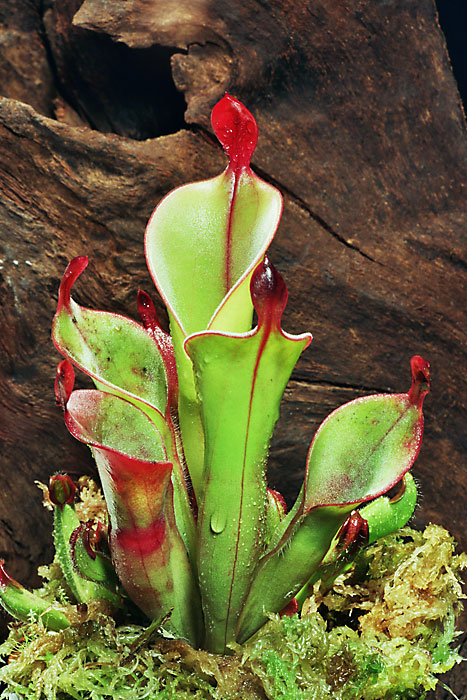
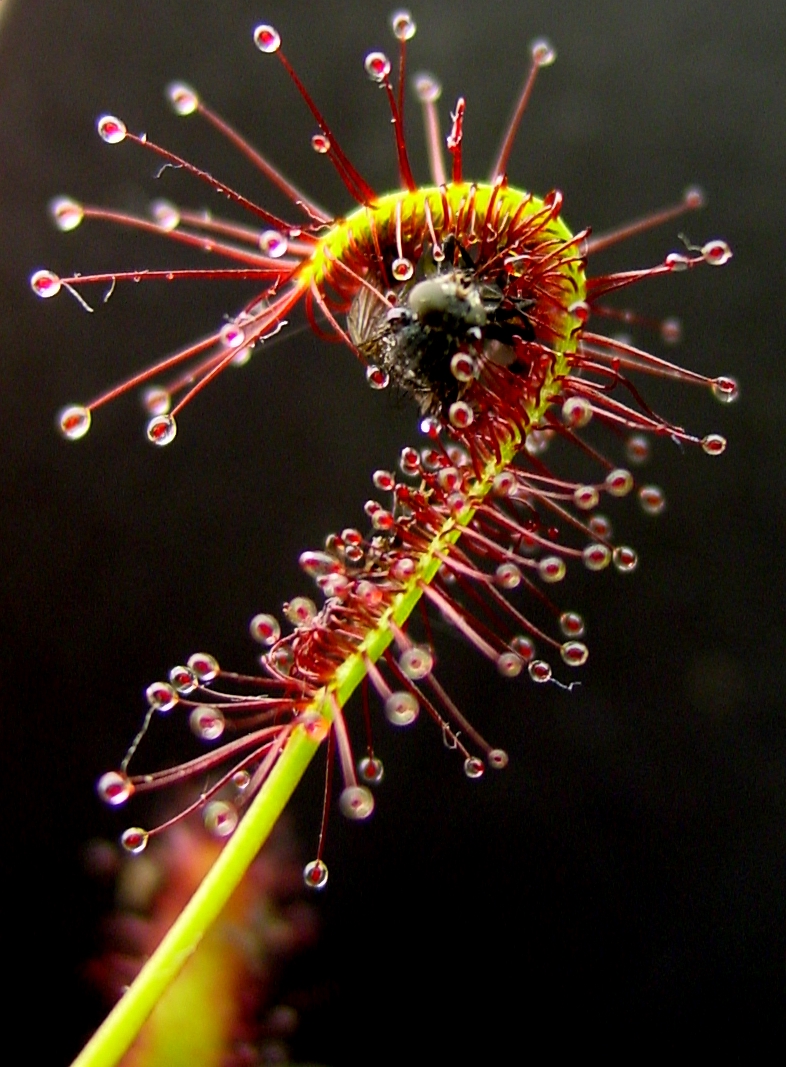
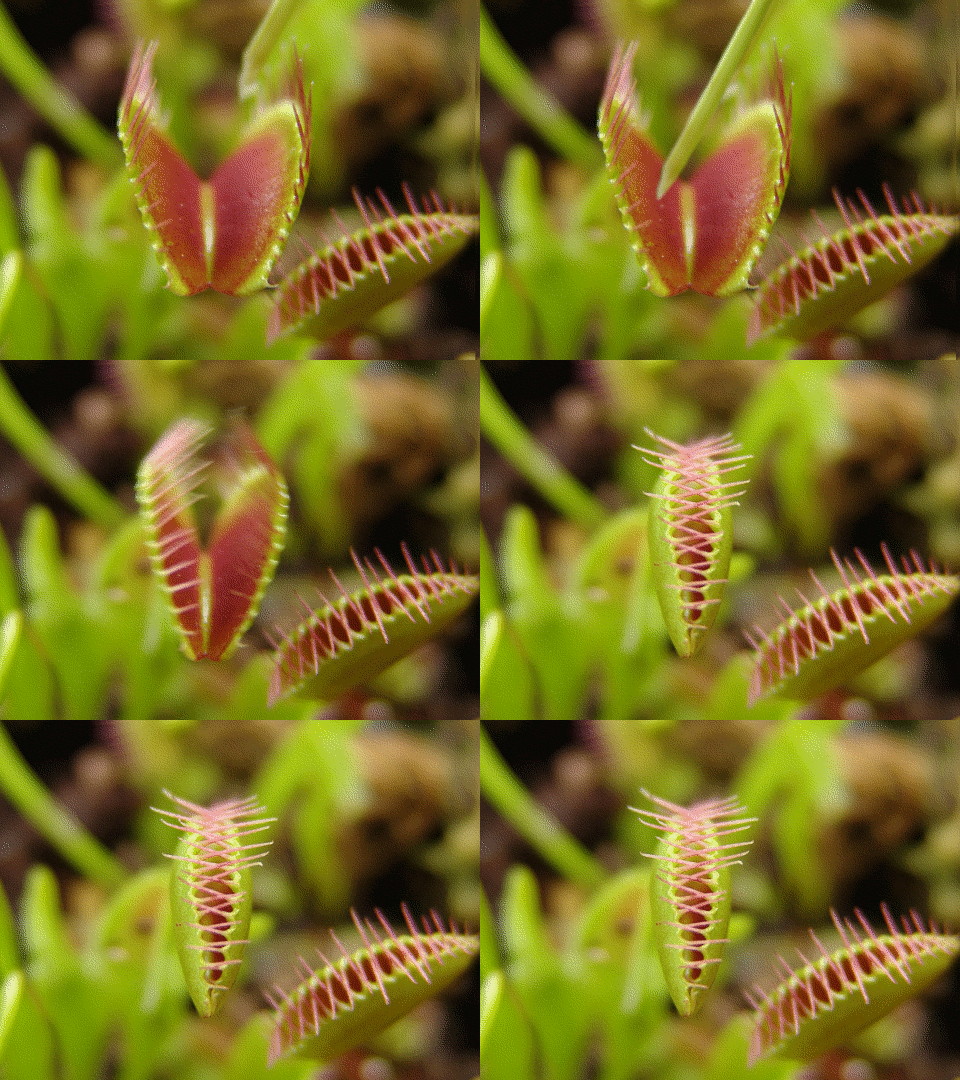


Overview and defining features
True carnivory in plants is defined by several linked features: attraction of prey, a trapping structure, production of digestive enzymes or reliance on symbiotic organisms to break down prey, and the absorption and use of the released nutrients. Botanists recognize a core set of species that meet all these criteria and a wider set that show some but not all traits; the latter are often called protocarnivorous. Overall diversity includes many genera and hundreds of species — roughly a dozen genera in several families and on the order of hundreds of species described by botanists. For general reference on the group see introductory resources at carnivorous plant overviews.
Trap types and mechanisms
Carnivorous plants use a range of physical and chemical mechanisms to capture prey. Major trap categories are:
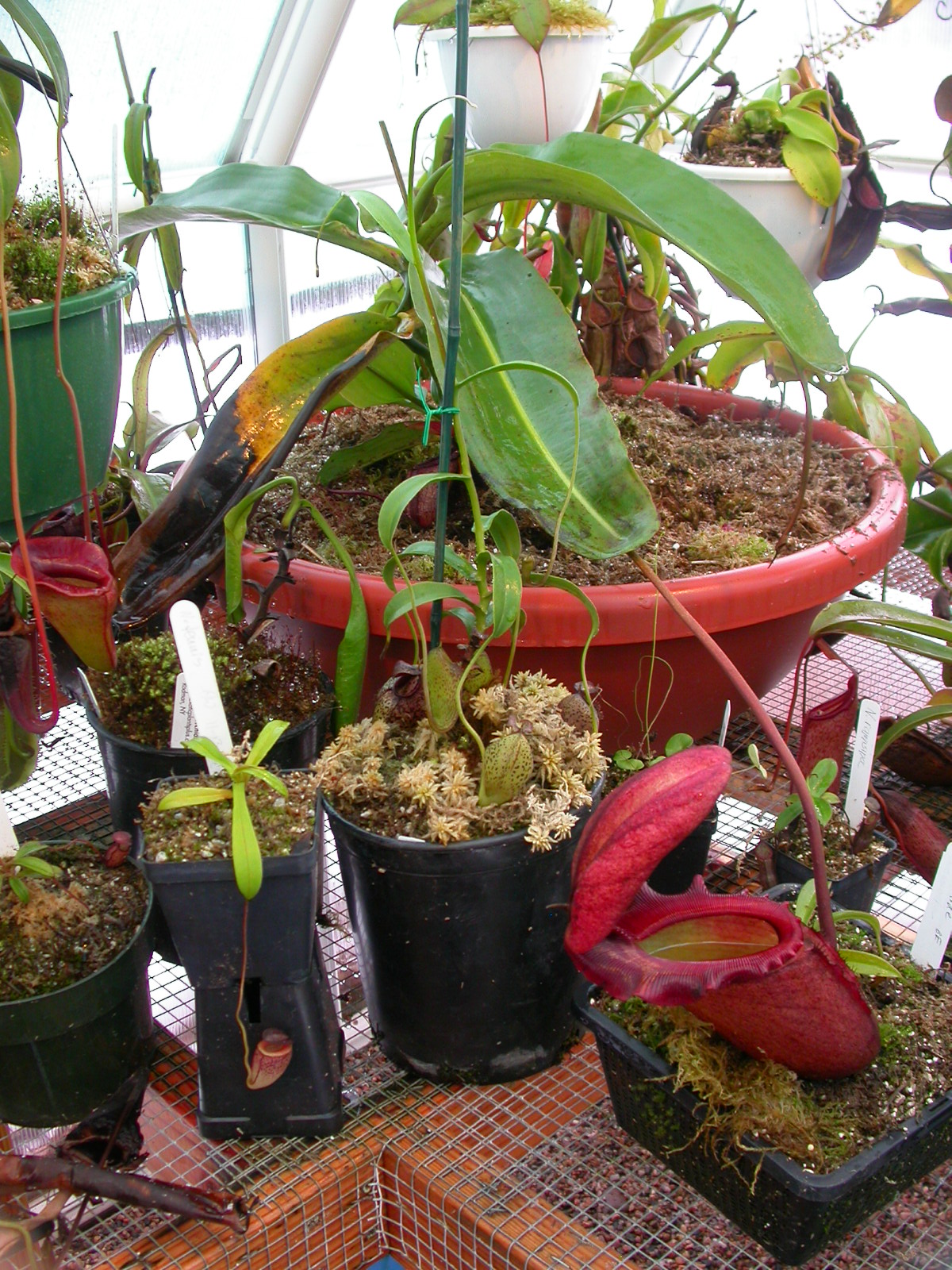
- Pitfall (pitcher) traps: Modified leaves form a deep cavity filled with liquid or slippery surfaces that cause insects to fall in and drown; common in genera like Nepenthes and Sarracenia (genera examples).
- Sticky or flypaper traps: Leaves coated with mucilage catch and hold insects; species of Drosera (sundews) are familiar examples.
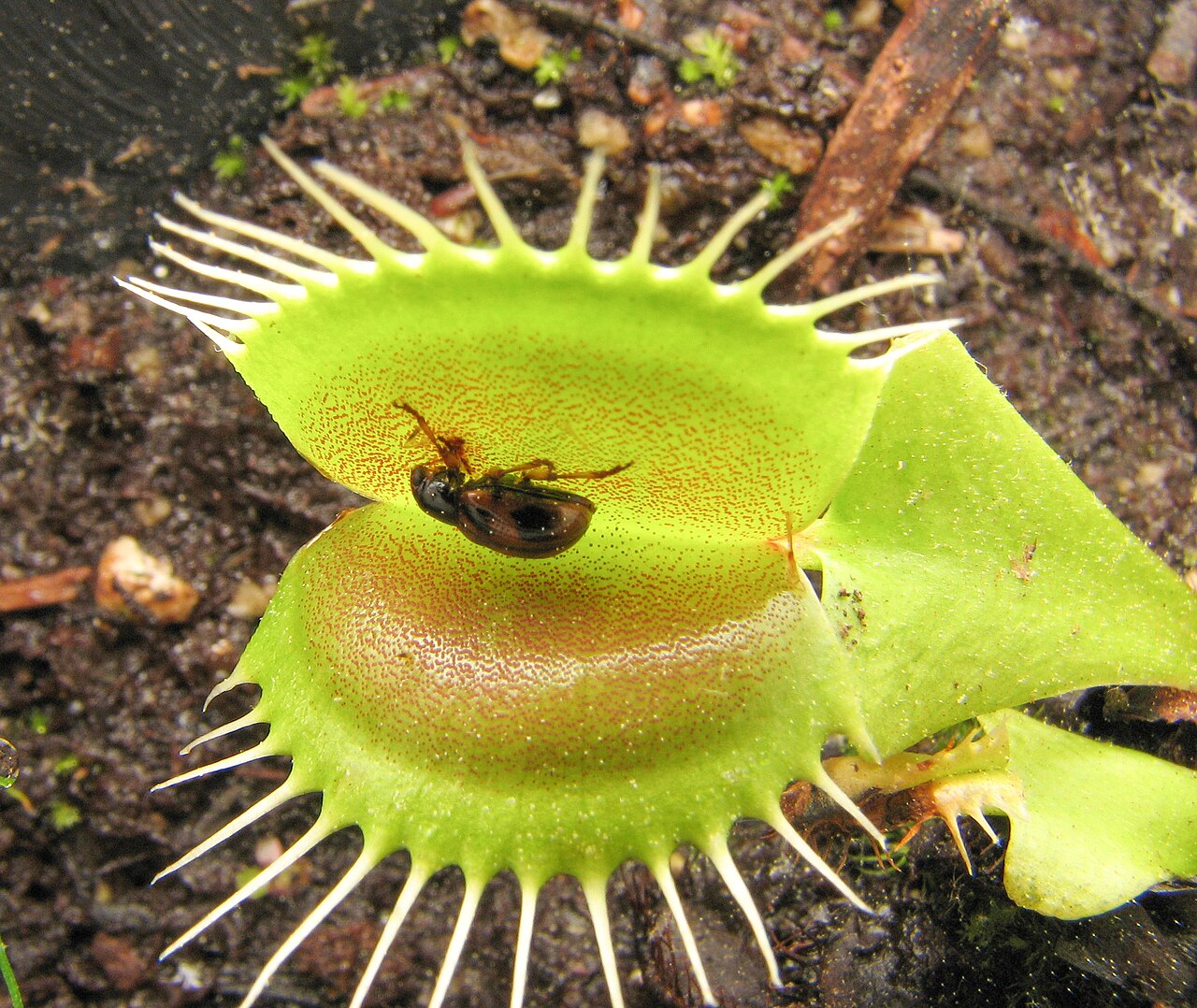
- Snap traps: Rapidly closing leaf lobes capture and hold prey; the Venus flytrap is the classic instance.
- Bladder traps: Small vacuum-driven sacs that suck in tiny aquatic prey; found in bladderworts (Utricularia).
- Lobster-pot traps: Structures that allow prey to move inward but make escape difficult, promoting digestion inside the trap.
Ecology, habitat and conservation
Carnivorous plants are most successful where competition from larger plants is limited by poor soil or harsh conditions. By capturing animals they obtain nutrients—especially nitrogen and phosphorus—that are scarce in their surroundings. This ecological strategy has evolved independently several times. Many species have narrow ranges and specific habitat needs, making them vulnerable to drainage of wetlands, peatland exploitation, development, and illegal collection. Conservation efforts focus on habitat protection, regulated trade, and cultivation in botanical gardens and by hobbyists.
History, study and human uses
Interest in carnivorous plants dates back centuries, but scientific study accelerated in the 18th and 19th centuries; Darwin's investigations were seminal. Today these plants attract attention in basic research on plant movement, digestion, nutrient cycling, and symbiosis. They are also popular in horticulture and education due to their unusual forms and active trapping behaviors. Cultivated collections help preserve genetic diversity and provide material for scientific study.
Distinctions and notable facts
Not all plants that catch animals are fully carnivorous. Some species capture insects but do not secrete enzymes or absorb nutrients directly; these are described as protocarnivorous or partially carnivorous. The ability to digest prey may involve the plant's own enzymes or microbial partners in the trap fluid. For introductions to key groups and species, readers can follow general resources on insect-eating plants (insects, animals) and taxonomic summaries (nutrients, species). More detailed treatments and species lists are available through specialist literature and curated databases (overview, genera, enzymes).
Because this topic intersects botany, ecology and horticulture, interested readers are encouraged to consult multiple sources for identification, cultivation advice and conservation status. Additional introductory material and field guides can be found via educational and botanical institutions (bog ecology, nutrient cycles).
Questions and answers
Q: What are carnivorous plants?
A: Carnivorous plants are plants that get nutrients by trapping and eating animals, usually insects.
Q: Why can carnivorous plants grow in places with thin or nutrient-poor soil?
A: Carnivorous plants can grow in places with thin or nutrient-poor soil because they get some of their food from animals.
Q: Who wrote the first well-known book on carnivorous plants and when was it written?
A: Charles Darwin wrote the first well-known book on carnivorous plants in 1875.
Q: What is true carnivory?
A: True carnivory is the ability of plants to catch animals in order to obtain nutrients.
Q: How many genera and species of carnivorous plants are there?
A: There are more than twelve genera and about 625 species of carnivorous plants.
Q: What are protocarnivorous plants?
A: Protocarnivorous plants are plants that show some but not all of the characteristics of carnivorous plants.
Q: What do carnivorous plants do once they trap their prey?
A: Carnivorous plants produce digestive enzymes and use the nutrients obtained from their trapped prey.
Tags
Related articles
Author
AlegsaOnline.com Carnivorous plant Leandro Alegsa
URL: https://en.alegsaonline.com/art/17164
Sources
- pages.britishlibrary.net : Insectivorous plants
- carnivorousplants.org : "Carnivory in Byblis revisited II: The phenomenon of symbiosis on insect trapping plants"