
Cactus: Adaptations, Diversity, and Human Uses
Cacti are succulent plants of the family Cactaceae adapted to dry environments. This article covers their features, evolution, habitats, pollination, uses, and notable distinctions.
Overview
A cactus is a type of plant adapted to hot, arid and seasonally dry environments. As typical xerophytes, most cacti are also succulents, storing water in thickened stems or pads. They belong to the family Cactaceae within the order Caryophyllales, a group that includes several other drought-tolerant lineages (more on classification). Modern estimates count roughly 120–130 genera and over 1,700 species, although taxonomic totals vary as botanists revise classifications.
Image gallery
10 Images



Key characteristics and adaptations
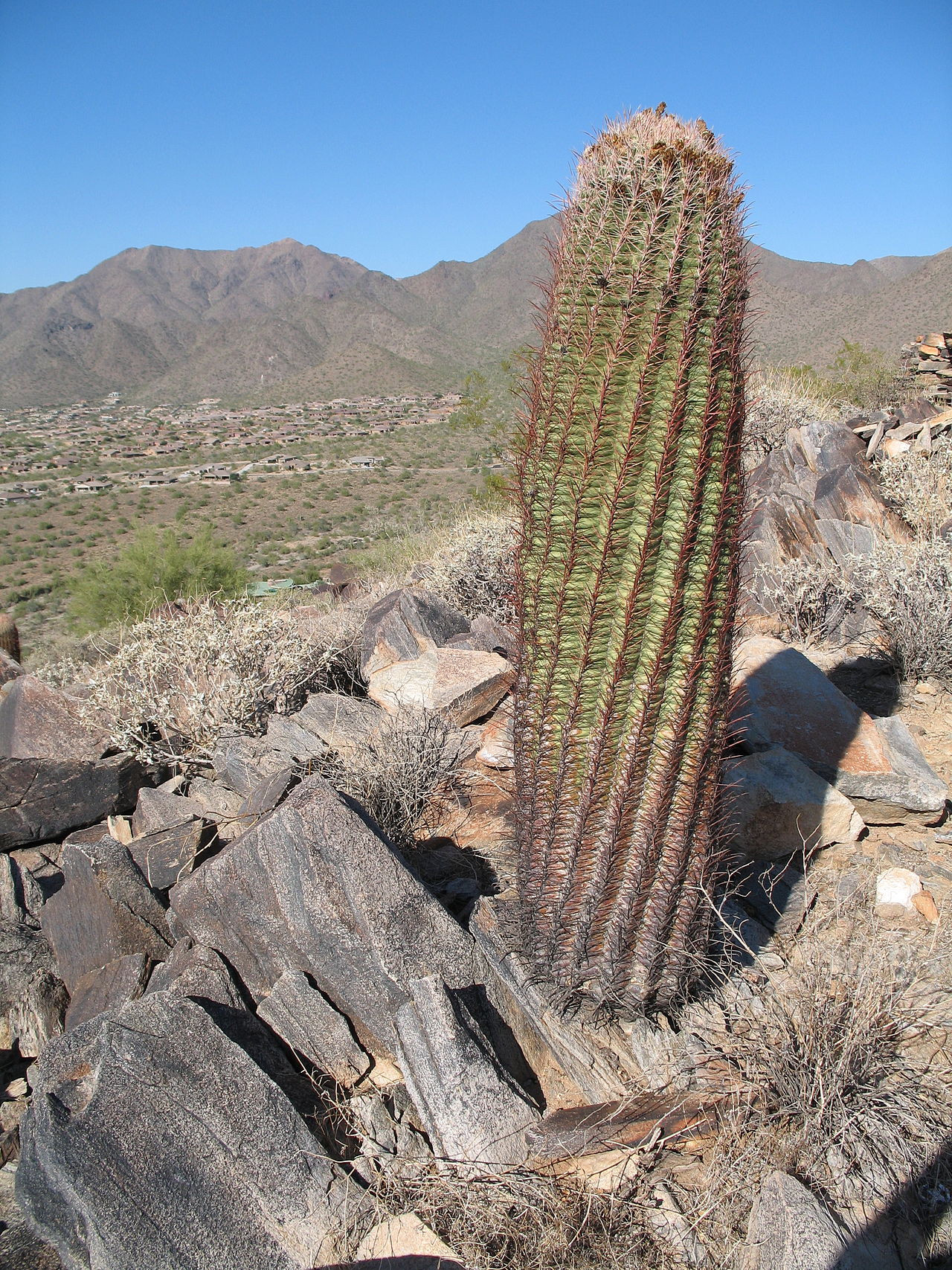
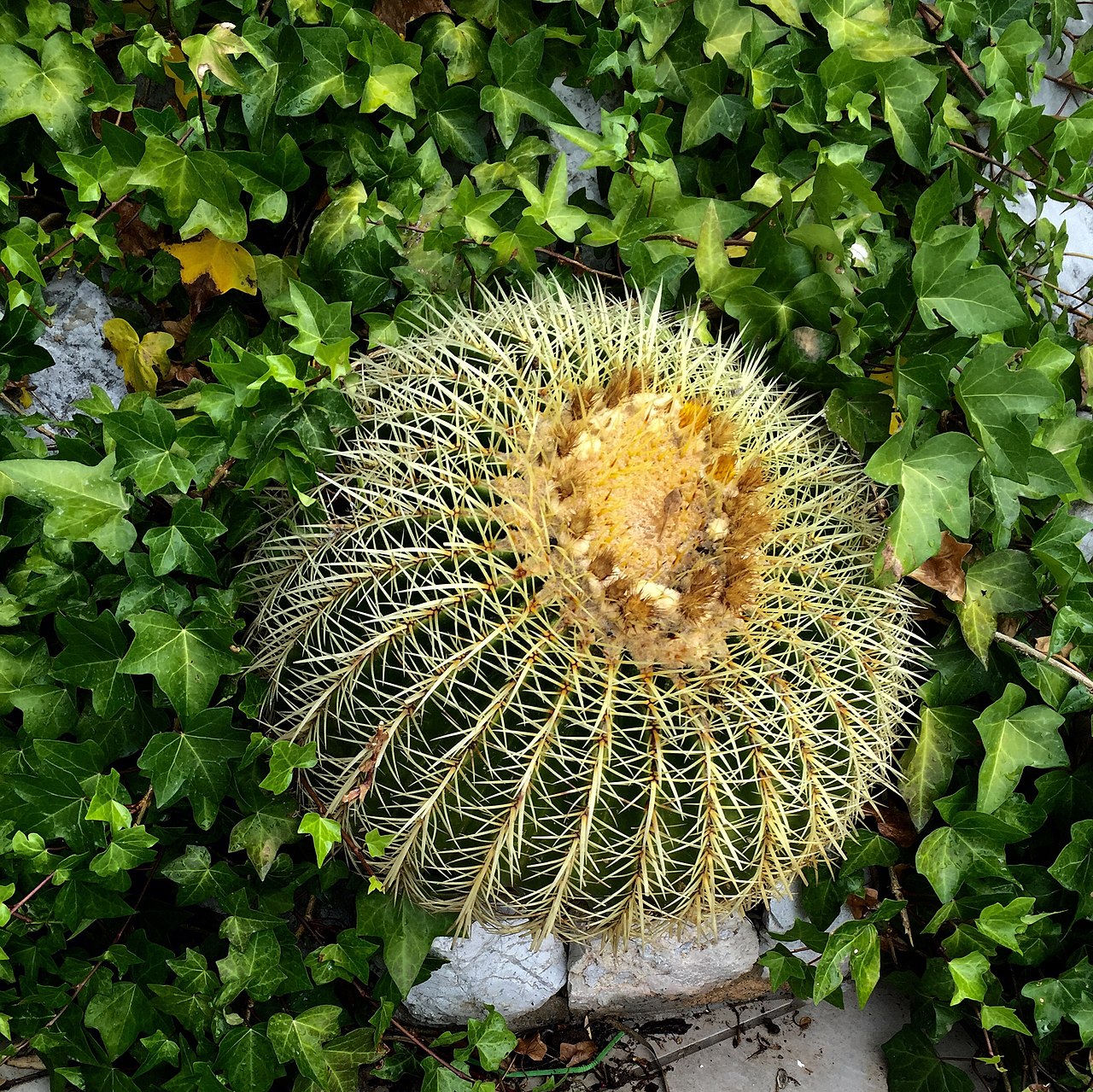
Cacti show a suite of features that reduce water loss and protect stored moisture. Many species replace leaves with spines, modify stems into photosynthetic organs, and develop a thick, waxy epidermis. Spines and tough outer tissues deter herbivores and shade the plant surface. Roots are often shallow and extensive, allowing rapid uptake of rainfall. Several species form ribs or pleats that expand when water is available and contract during drought.
- Water storage: fleshy stems or pads hold reserves for dry periods.
- Spines: sharp structures related to leaves; see thorns and spines.
- Photosynthesis: many use CAM (crassulacean acid metabolism) to reduce water loss.
Distribution and habitat
Almost all cacti are native to the Americas, ranging from southern South America (including Patagonia) northward into parts of western Canada. While the family is predominantly New World, a few species have broader ranges: for example, Rhipsalis baccifera is notable for occurring beyond the Americas, with populations reported in Africa and Sri Lanka. Cacti occupy desert plains, scrublands, rocky outcrops, and even humid tropical forests where they may grow as epiphytes.
Flowers, pollination, and reproduction
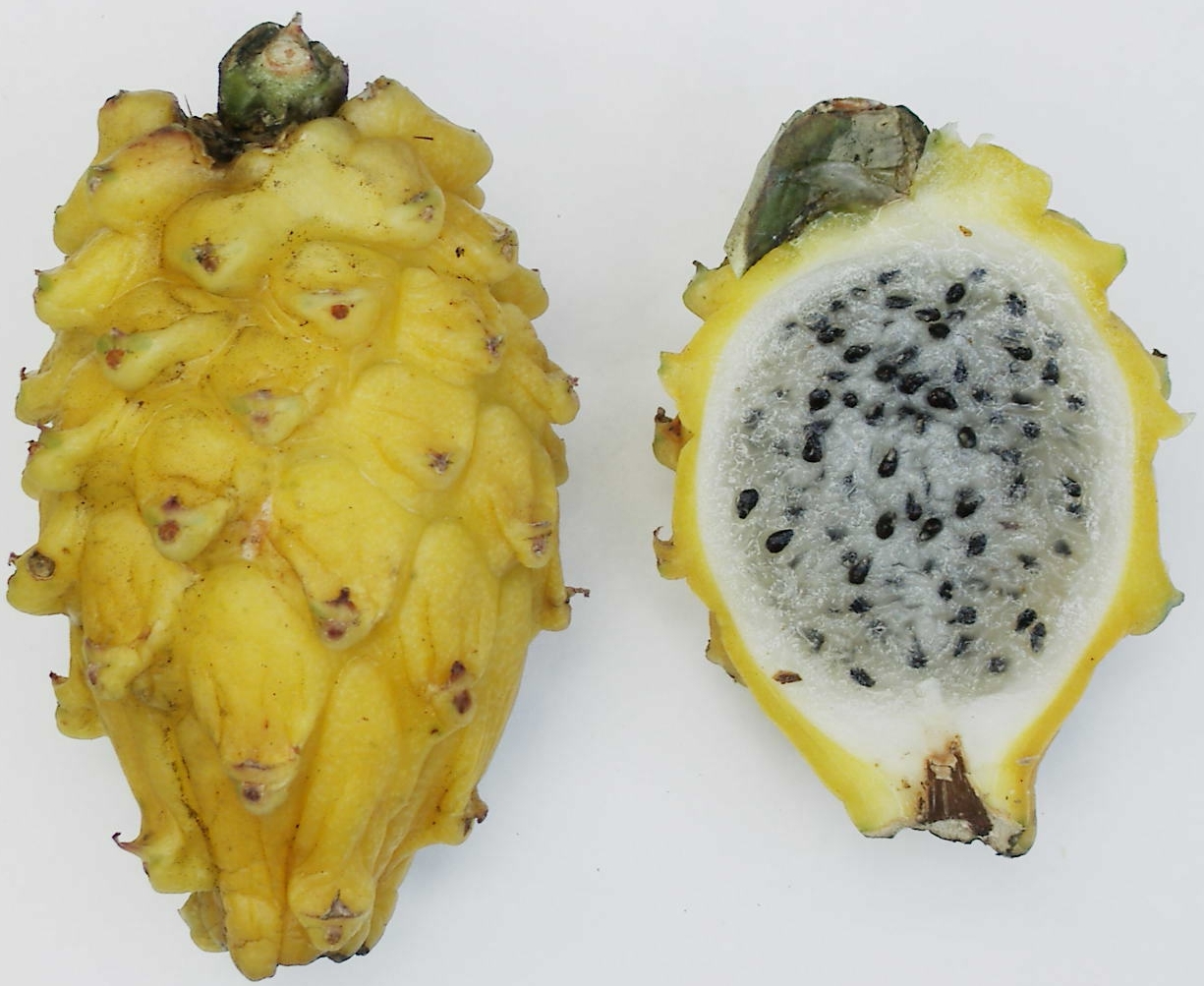
Cactus flowers are often large, showy and adapted to attract specific pollinators. Some species open in daylight for bees, birds and insects, while others bloom at night to be visited by moths or bats; see pollination strategies. After flowering, many cacti produce fleshy fruits that are eaten by animals, helping disperse seeds. Certain species also propagate vegetatively from stem segments, which allows rapid local spread.
History, naming and human interaction
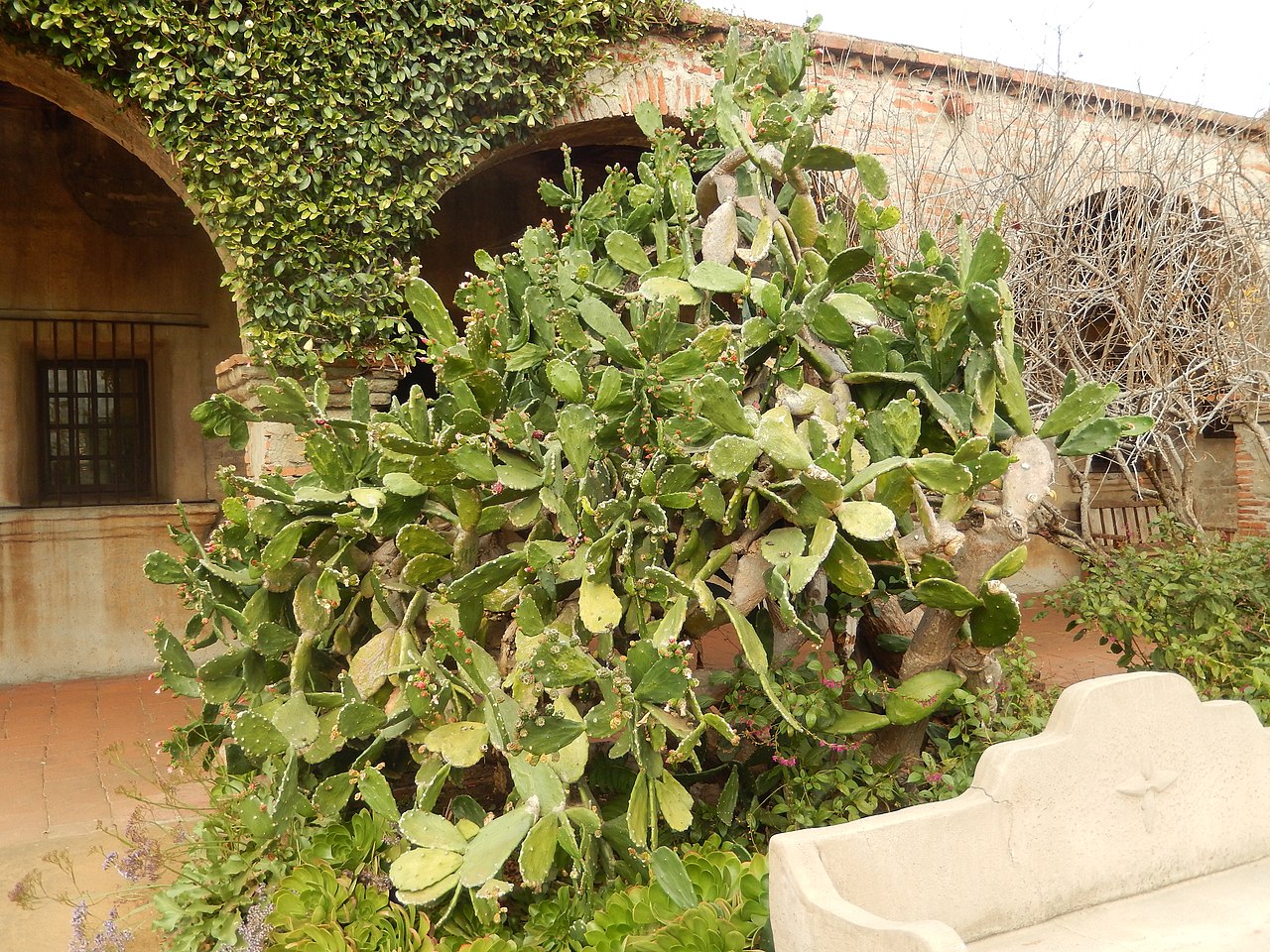
The name "cactus" traces back to ancient sources: Theophrastus used a similar term in antiquity; modern authors link the word to the Ancient Greek Theophrastus and the root κάκτος. Indigenous peoples of the Americas have used cacti for food, medicine, construction materials and ritual purposes for millennia. Today, cacti are cultivated worldwide as ornamental plants, for their edible fruits (such as the prickly pear), and in some cases for construction, fodder or traditional medicine.
Uses, cultivation and notable facts
Cacti are popular in horticulture for their striking shapes and low water needs. They are often grown in containers, rock gardens and xeriscapes. Cultivation requires attention to light, potting mix and watering practices that mimic seasonal dryness. Several species are important ecologically, providing food and shelter to desert wildlife. A few cacti are threatened by habitat loss and overcollection, prompting conservation efforts in their native ranges.
For further reading and plant profiles see links on classification, ecology and cultivation: general plant resources, family overview, succulent care, and regional treatments (taxonomic context, order relationships). Additional sources explore geographic records (Patagonia, Canada, Africa, Sri Lanka) and historical linguistics (Theophrastus, Greek). Practical topics include spine function (defense) and pollination biology (pollinators).
Questions and answers
Q: What is a cactus?
A: A cactus is a kind of plant adapted to hot, dry climates that belongs to the family Cactaceae and order Caryophyllales.
Q: Where do most cacti originate from?
A: Most cacti are native to the Americas, from Patagonia in the south to parts of western Canada in the north. The species Rhipsalis baccifera also grows in Africa and Sri Lanka.
Q: What does the word 'cactus' come from?
A: The word 'cactus' comes from Ancient Greek κάκτος, kaktos. It was first used by Theophrastus for a spiny plant whose identity is not known for sure.
Q: How do cacti fit into food chains?
A: Cacti are part of an important food chain in dry, hot climates as many animals eat their fruits.
Q: Are all cacti found in deserts?
A: No, not all cacti live in deserts; some have spread to many other parts of the world and people like to grow them in pots or gardens.
Q: What features do most cacti have?
A: Most cacti have sharp thorns (stickers) and thick skin. There are many shapes and sizes of cacti - some are short and round; others are tall and thin. Many also have big beautiful flowers which can bloom at night and be pollinated by moths or bats.
Related articles
Author
AlegsaOnline.com Cactus: Adaptations, Diversity, and Human Uses Leandro Alegsa
URL: https://en.alegsaonline.com/art/15893