
Carbonated water
Water into which carbon dioxide has been dissolved, producing effervescence and mild acidity; used as a beverage on its own and as the base for many soft drinks and mixers.
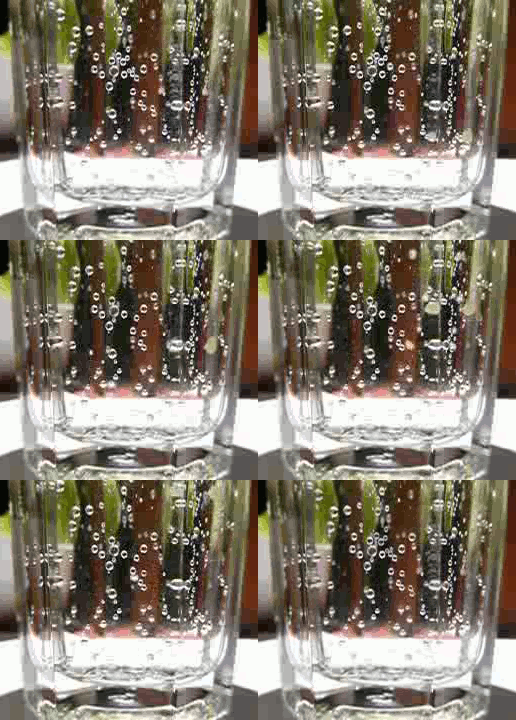
Carbonated water is plain water into which carbon dioxide gas has been dissolved under pressure, producing bubbles and a lightly acidic taste. The simple constituents are water and carbon dioxide; the process is commonly called carbonation. When the gas leaves solution as bubbles the liquid effervesces, and a small fraction of CO2 reacts with water to form carbonic acid, which gives the beverage its characteristic tang.
Image gallery
10 Images







Characteristics and production
Carbonation is achieved by exposing cold water to pressurised carbon dioxide, which increases gas solubility. Temperature and pressure strongly influence how much CO2 stays dissolved; colder liquids and higher pressures hold more gas. Commercial producers use specialised equipment to inject and stabilise the gas, while many consumers make fizzy water with home carbonation devices and cartridge systems (home carbonation).
Types and distinctions
- Seltzer or sparkling water: plain carbonated water without additives.
- Club soda: carbonated water with dissolved mineral salts added for taste.
- Sparkling mineral water: naturally carbonated at the source or bottled with retained carbon dioxide.
- Tonic water: carbonated but also contains quinine and sweeteners, making it distinct from plain carbonated waters.
History and development
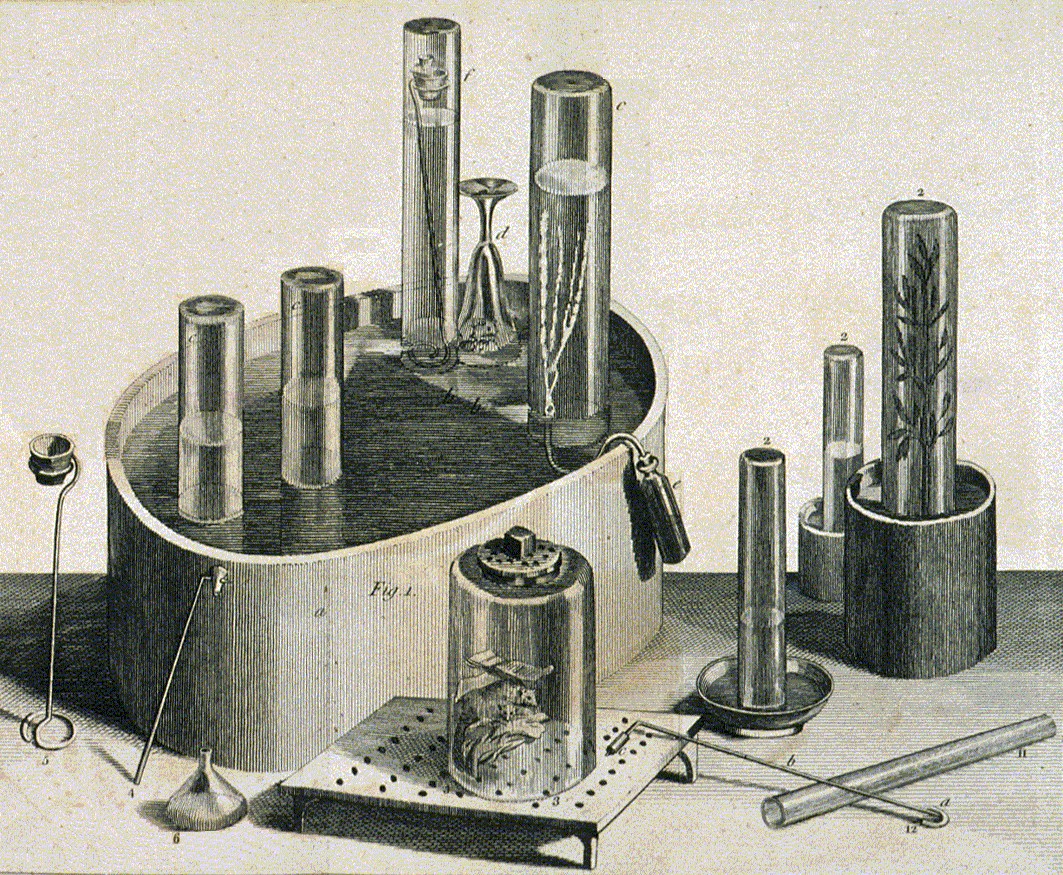
The first documented laboratory demonstration of infusing water with "fixed air" (carbon dioxide) was made by Joseph Priestley in 1767. In the late 18th century the idea was adapted for commercial production, and bottled carbonated beverages became widely available during the following decades. Fermentation also produces dissolved carbon dioxide naturally, which is why beverages such as beer and certain sparkling wines are effervescent.
Uses and cultural importance
Carbonated water is consumed on its own for refreshment and used as the base for most soft drinks and many mixed beverages; many cocktails rely on sparkling water for texture and dilution. It is also used in cooking for lightening batters and adding lift to certain recipes. Commercially, carbonated water underpins an extensive beverage industry and global distribution networks for both plain and flavored products (soft drinks).
Health and environmental notes
The beverage is mildly acidic because of carbonic acid, but plain carbonated water generally poses minimal health risk; concerns mostly arise when sugars, acids or sodium are added. Carbonation itself is not uniquely harmful to tooth enamel compared with other acidic drinks. Environmental considerations include the production and recycling of CO2 cylinders and single‑use bottles; choosing refillable systems or recyclable packaging can reduce waste.
For more technical details and consumer guidance, see resources on water chemistry and beverage production (water, carbon dioxide, carbonation).
Related articles
Author
AlegsaOnline.com Carbonated water Leandro Alegsa
URL: https://en.alegsaonline.com/art/16894