
Soft drink (carbonated non-alcoholic beverage)
Non-alcoholic, usually carbonated beverages flavored and sweetened; includes types, production, history, examples and health considerations.
Overview
A soft drink is a non-alcoholic, typically sweetened beverage that is often carbonated to create effervescence. These drinks are made from a combination of water, sweeteners, flavorings and sometimes acids or colorings. They are sold in bottles and cans, and are widely consumed for refreshment, as mixers and in foodservice settings.
Image gallery
10 Images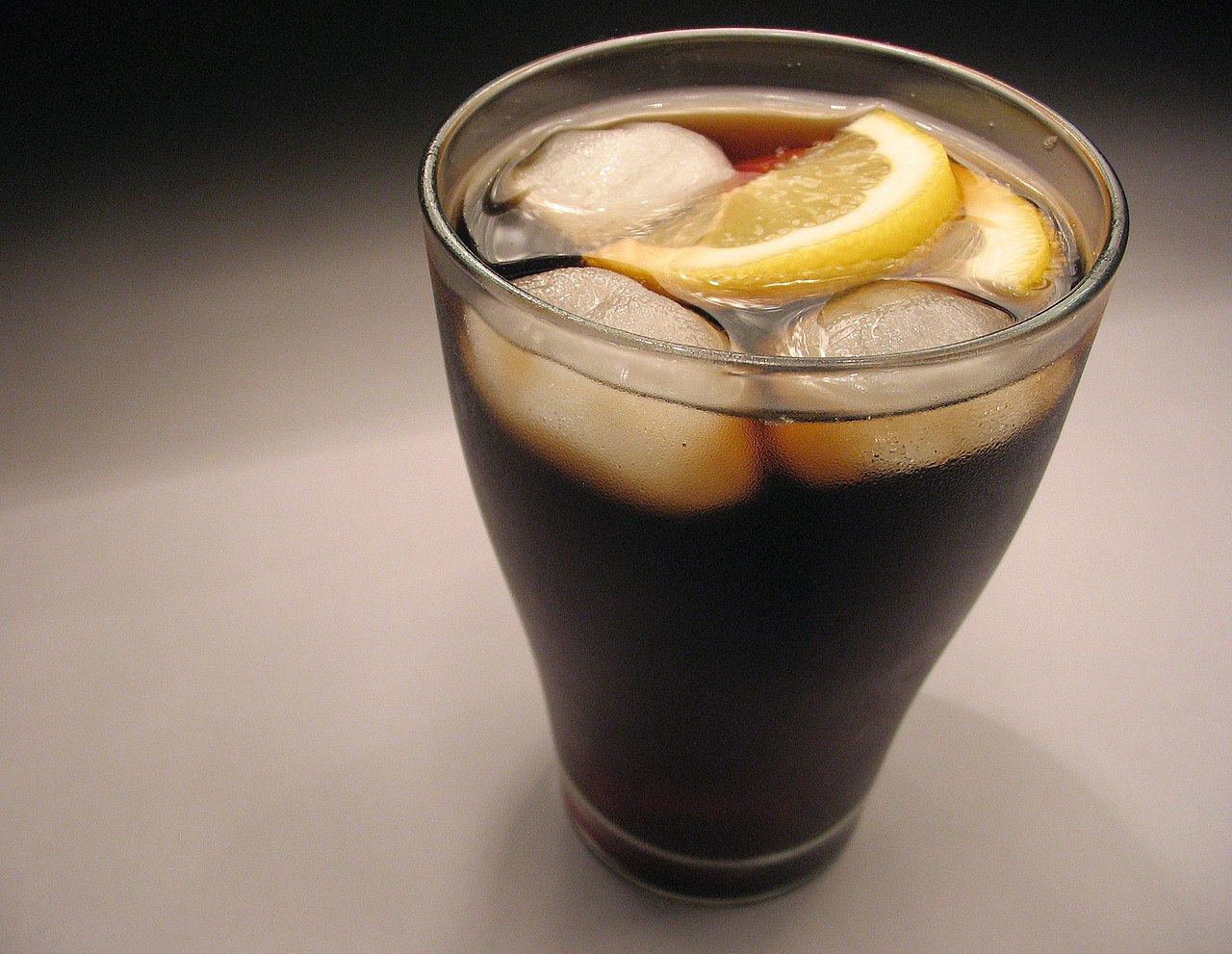





Composition and production
Core ingredients commonly include: water, a sweetener, natural or artificial flavors, acidulants, and carbonation. Examples of components are listed below with reference links for more detail:
- concentrates or syrups that supply flavor
- sweeteners (sucrose, high‑fructose corn syrup, or low‑calorie sweeteners)
- carbonation — dissolved carbon dioxide that produces fizz
Production typically blends the syrup with purified water, chills the mix and forces in carbon dioxide under pressure. Packaging is designed to retain carbonation until opened.
History and development
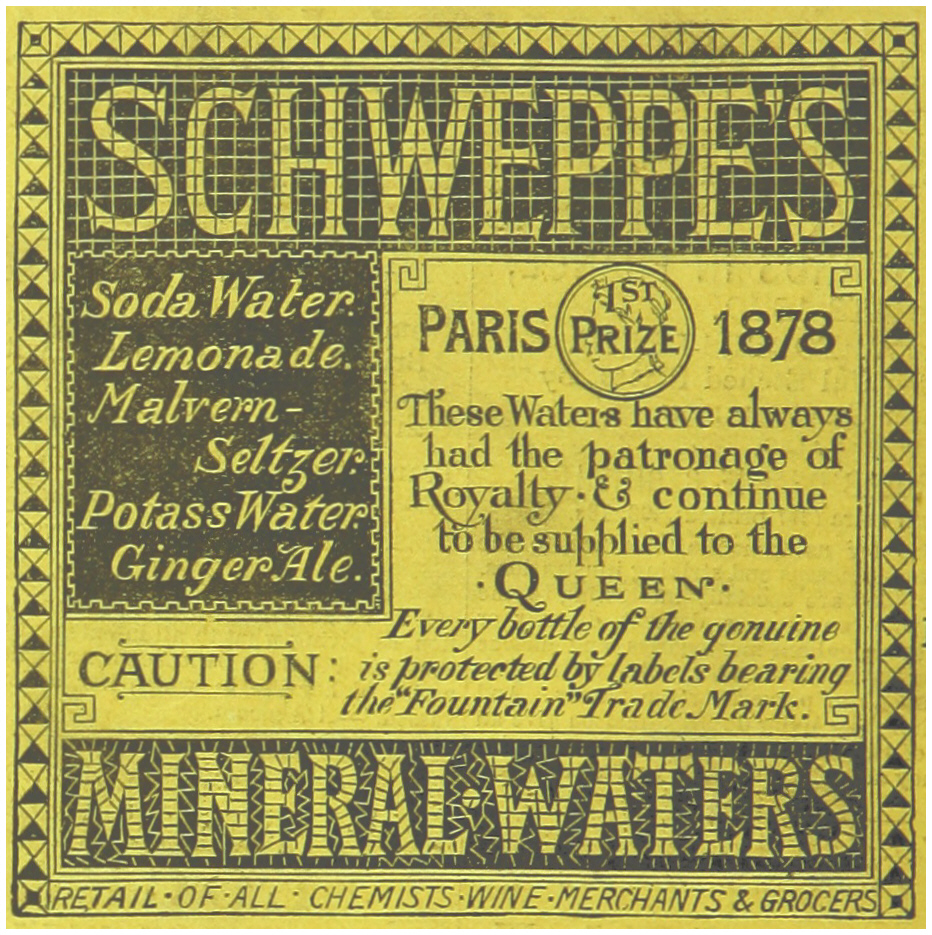
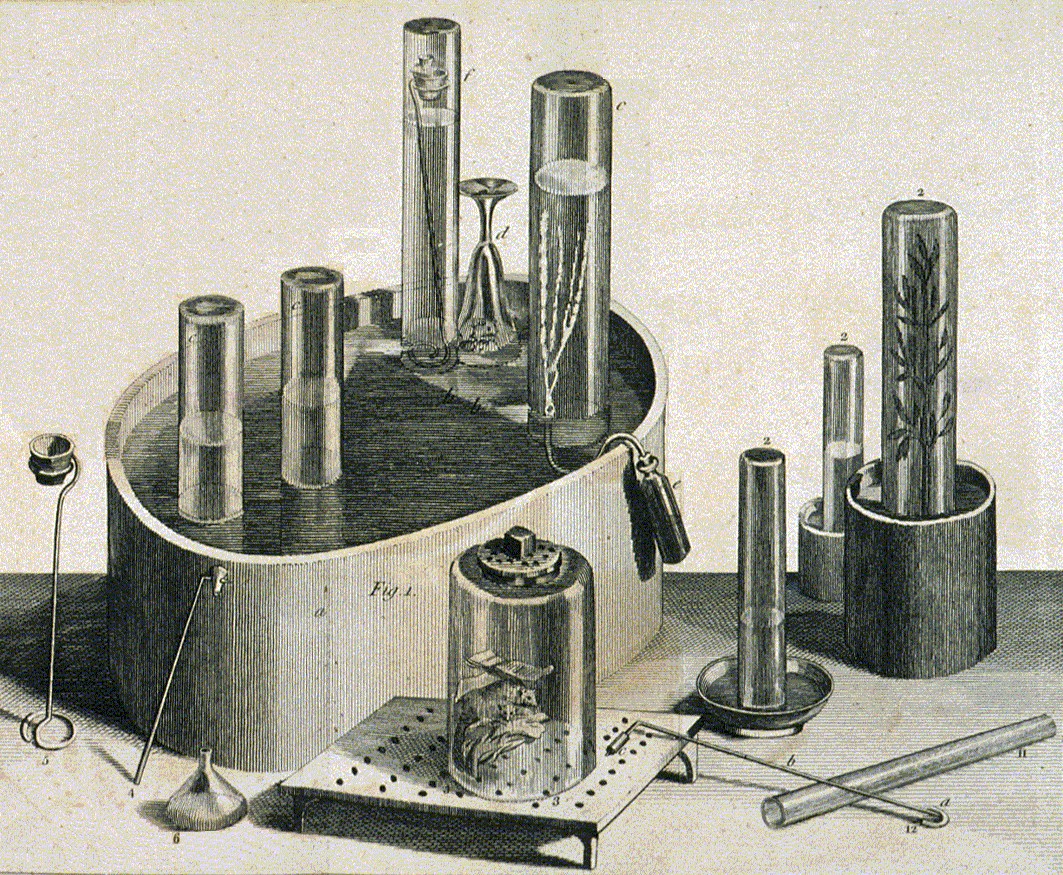
Carbonated beverages have roots in mineral water springs and early mineral tonics. Commercial soft drinks expanded in the 19th and 20th centuries as mass production, bottling technology and flavor concentrates developed. Over time the category diversified from cola and lemon‑lime flavors to energy, diet and craft sodas.
Types and notable examples
Common categories include colas, lemon‑lime sodas, root beers, ginger ales, flavored carbonates and diet/light versions. Well‑known branded examples are Sprite, Mountain Dew, 7 Up, Pepsi, Dr Pepper and Coca‑Cola. Specialty and craft sodas may emphasize natural ingredients, botanical flavors or reduced sugar.
Uses and cultural role
Soft drinks are consumed on their own, as accompaniments to meals, and as mixers in alcoholic or non‑alcoholic cocktails. They play a role in social settings, advertising and food cultures worldwide. Availability ranges from vending machines and restaurants to supermarkets and convenience stores.
Health and environmental considerations
Because many soft drinks contain significant added sugars, frequent consumption has been linked to dental decay and higher caloric intake. Low‑calorie alternatives reduce sugar but may include artificial sweeteners. Environmental concerns focus on disposable packaging and water use in production; recycling and refillable containers are common mitigation strategies.
Author
AlegsaOnline.com Soft drink (carbonated non-alcoholic beverage) Leandro Alegsa
URL: https://en.alegsaonline.com/art/91564