
Carbonate: the carbonate ion and its compounds
Carbonates are salts or esters that contain the carbonate ion (CO3^2−) or the carbonate functional group; they occur widely in minerals, industry, and biological systems.
Overview
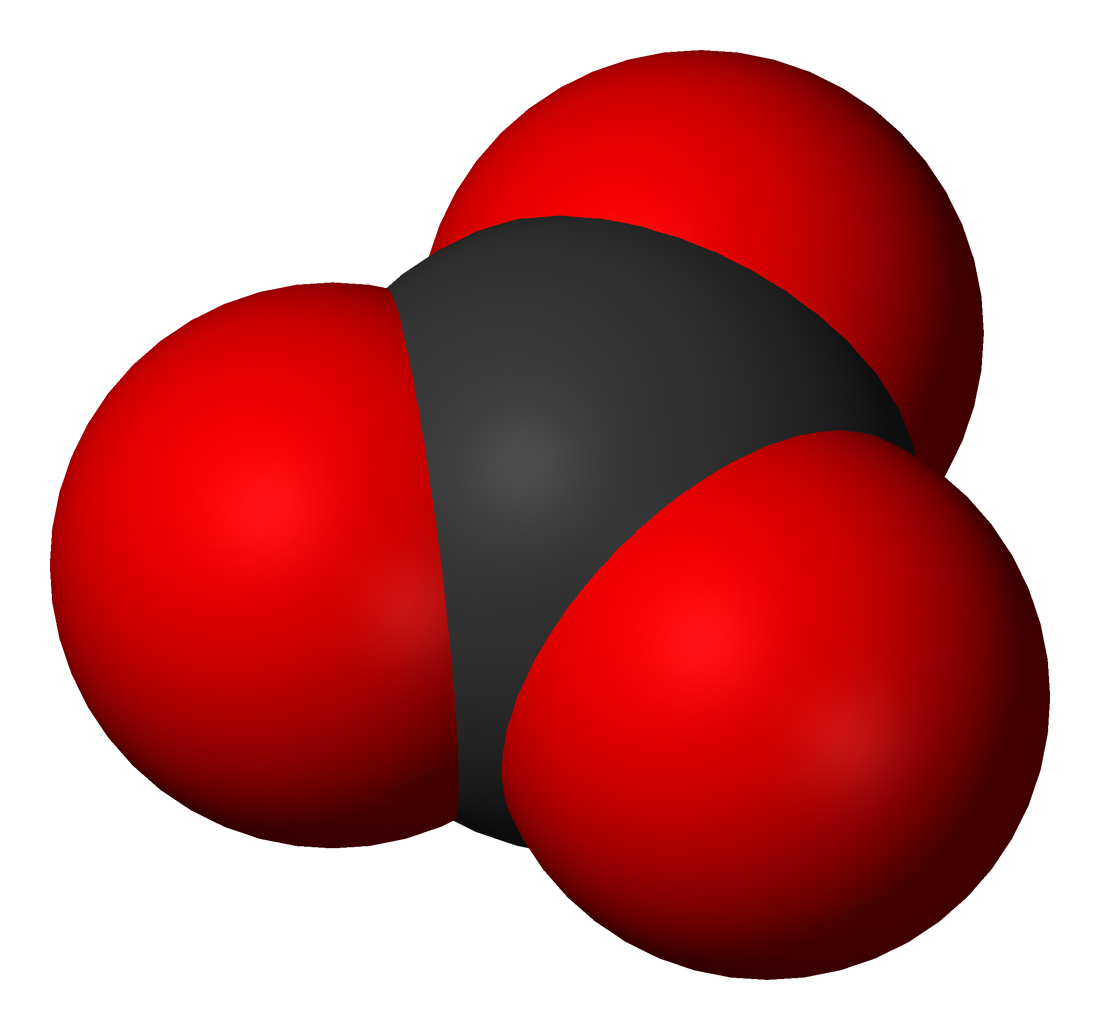
A carbonate is any chemical species that contains the carbonate ion, written CO3^2−, or an organic compound that contains the carbonate functional group (R–O–C(=O)–O–R'). The inorganic carbonate ion is a polyatomic anion made of one carbon atom centrally bonded to three oxygen atoms in a trigonal planar arrangement. Carbonates form a large family of salts, minerals and esters that are important in geology, chemistry and industry. For a concise definition see carbonate definition.
Image gallery
6 Images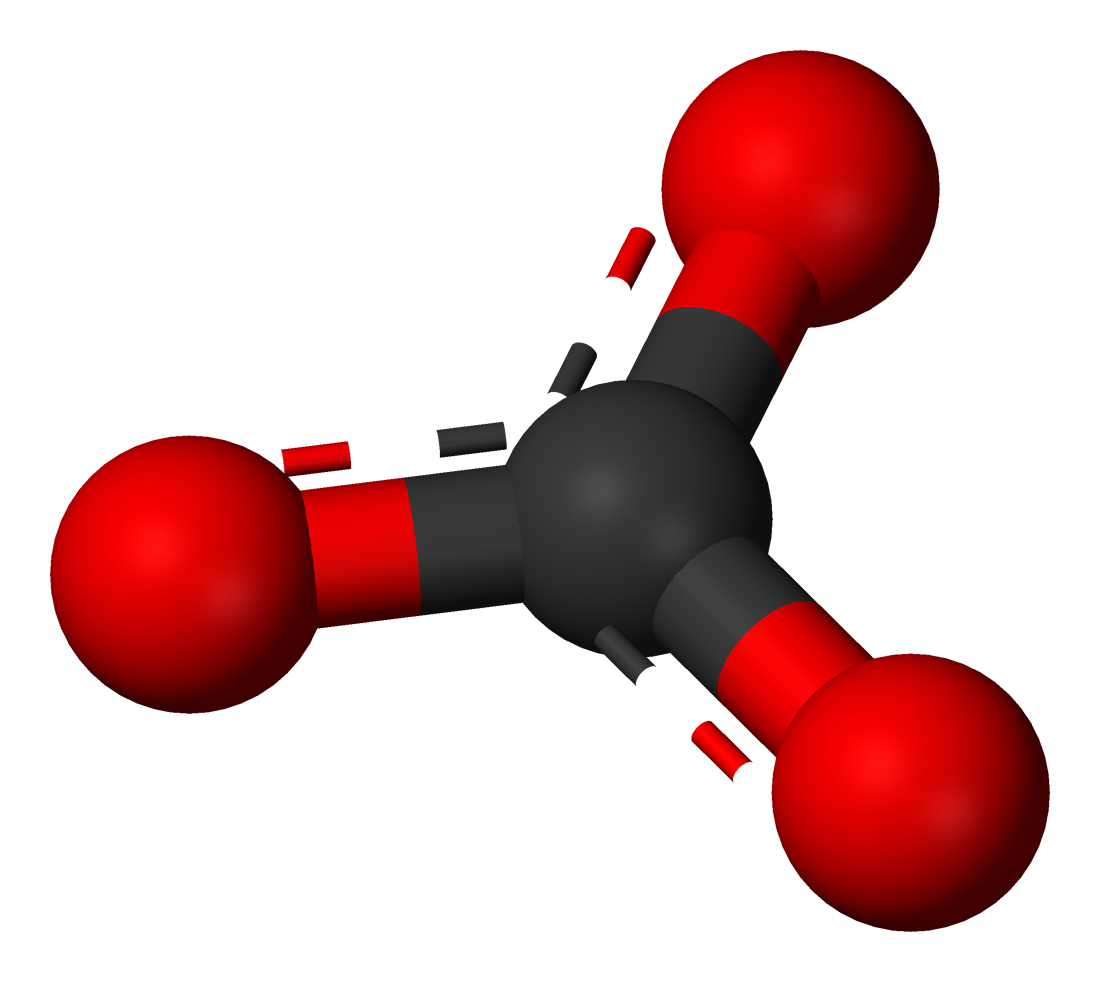



Structure and properties
The carbonate ion has resonance-stabilized bonds: its three C–O linkages share electron density so no single bond is localized. This delocalization gives the ion a formal charge of −2 and a planar geometry. As salts, carbonates vary in solubility: alkali metal carbonates (e.g., sodium carbonate) are water-soluble, while many alkaline earth and transition metal carbonates (e.g., calcium carbonate) are sparingly soluble and form crystalline minerals. Read about bonding and charge distribution at bonding overview and resonance concepts.
Reactivity and typical reactions
When a carbonate salt reacts with an acid, the general result is formation of a salt, water and release of carbon dioxide gas: carbonate + acid → salt + H2O + CO2. This behaviour underlies effervescence in acid tests for carbonate minerals and is the basis for many laboratory procedures. Basic carbonate chemistry and reaction examples are summarized at carbonate reactions.
Mineralogy and geological importance
Carbonate minerals are major constituents of sedimentary rocks. Calcite (calcium carbonate) and dolomite (calcium magnesium carbonate) form limestones and dolostones that record past marine environments and buffer Earth's carbon cycle. Carbonate sediments and their diagenesis shape reservoirs for groundwater and petroleum. Geological contexts and mineral lists can be found via carbonate minerals and sedimentary carbonates.
Organic carbonates and industrial uses
Organic carbonates are esters of carbonic acid and include compounds such as dimethyl carbonate and ethylene carbonate. They serve as solvents, intermediates in polymer production, and safer alternatives to some chlorinated solvents. Inorganic carbonates are used as raw materials in glass and cement manufacture, water softening, and CO2 capture processes. Practical applications are discussed at industrial uses and organic carbonates.
Key distinctions and notable facts
- Different meanings: "carbonate" may refer to the CO3^2− ion, a salt containing it, or an organic carbonate group; see terminology notes.
- Environmental role: carbonate minerals sequester carbon on geological timescales and influence ocean chemistry.
- Analytical identification: acid effervescence and X-ray diffraction are common methods to identify carbonate minerals.
Related articles
Author
AlegsaOnline.com Carbonate: the carbonate ion and its compounds Leandro Alegsa
URL: https://en.alegsaonline.com/art/16893