
Caramel apple (taffy apple) — coated autumn confection
An apple coated in soft caramel and often decorated with nuts, chocolate or candy. Served on a stick and popular at autumn fairs and Halloween; sometimes called taffy or toffee apples.
Overview
A caramel apple is a whole apple that has been coated in a layer of soft, chewy caramel and usually served on a short stick. The fruit base is typically a crisp eating apple such as a Granny Smith or Fuji; producers and home cooks choose varieties for a balance of tartness and crunch. For a basic definition see apple and the coating ingredient caramel.
Image gallery
3 Images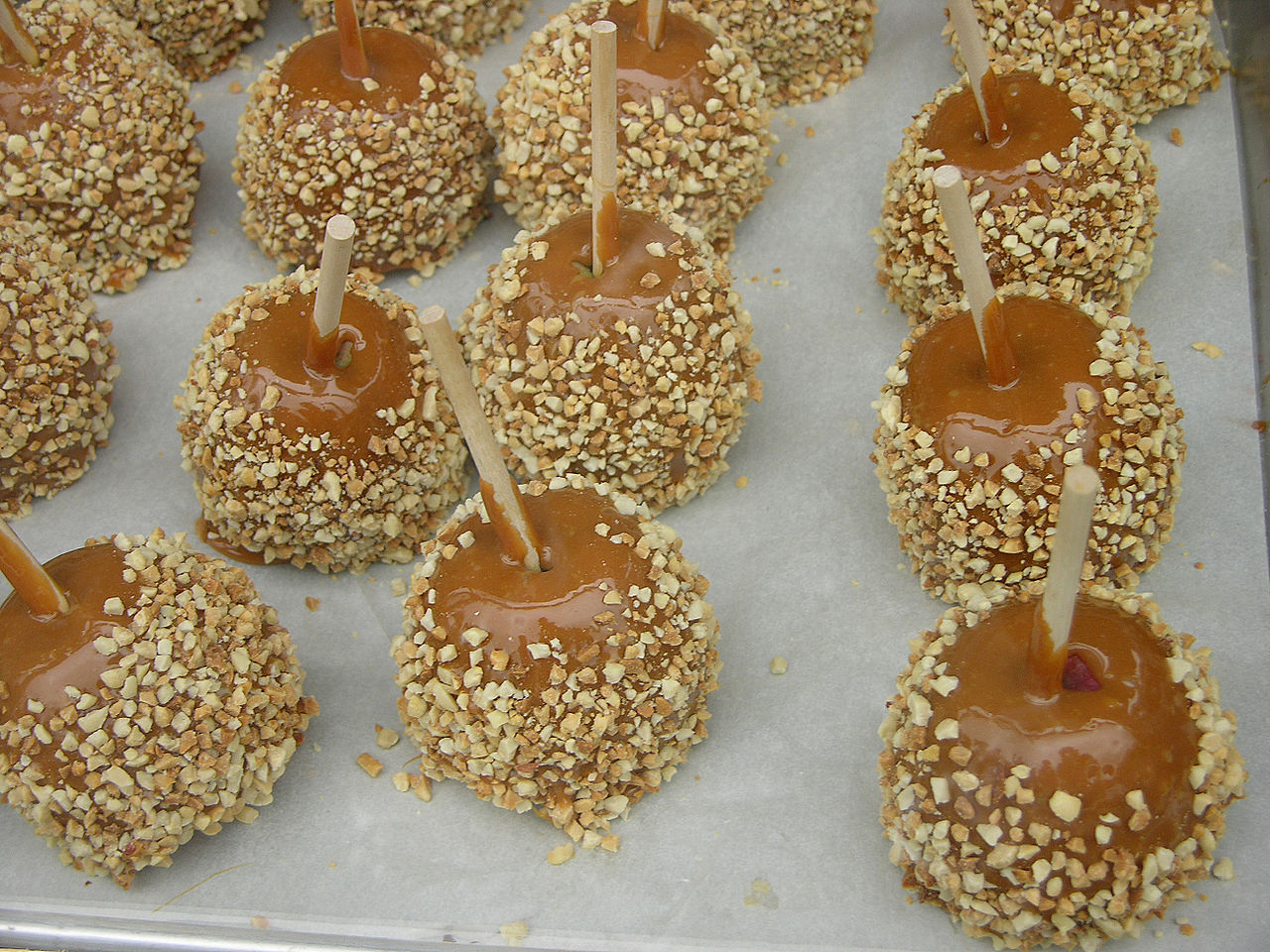


Characteristics and preparation
Preparation is straightforward: wash and dry the apple, insert a stick, melt soft caramel until pourable, then dip or roll the apple and allow the coating to set. While the caramel provides a sweet, pliable covering, many recipes add another ingredient or two to change texture and flavor. The finished confection is handheld and meant to be eaten in a few bites or several, depending on size.
Common toppings and variations
Toppings transform a plain caramel apple into a range of treats. Typical choices include:
- Chopped nuts (peanuts, pecans, almonds)
- Crushed cookies or biscuit crumbs
- Drizzles of chocolate or caramel
- Sprinkles, mini candy pieces, or sea salt
- Sometimes a hard sugar shell instead of soft caramel, creating a distinct texture like traditional hard-shelled sweets
Many people combine elements of toppings and coatings to suit their taste; small candies and pieces of candy are especially popular for color and crunch.
History and names
Caramel-coated apples have been enjoyed in various forms for decades. In some regions the term taffy apple or toffee apple is used; these names overlap but can imply different coatings—soft caramel versus a hard toffee shell. The treat became widely associated with seasonal fairs and home autumn baking during the 20th century and has both homemade and commercial traditions.
Cultural role, occasions and safety
Caramel apples are strongly linked to autumn celebrations and are frequently given to children or sold at events such as county fairs, fall festivals and on Halloween. They are convenient, festive desserts, but parents and hosts should note hazards: whole caramel apples can be a choking risk for young children and the sticky surface may be hard on dental work. Commercial producers often sell smaller or sliced versions to reduce these concerns.
Distinctions and practical tips
When choosing or making a caramel apple, consider the apple variety for firm texture, chill the dipped apple to speed setting, and press toppings on immediately so they adhere. Distinguish caramel apples from completely hard-shelled candied apples by the softness of the coating—this difference affects flavor, mouthfeel and how the confection is stored and eaten.
Further information on varieties, recipes and safety advice can be found in dedicated food and festival sources: see manufacturer pages and seasonal guides such as apple resources, caramel technique pages like caramel guides, and event listings that mention Halloween activities and treats.
Related articles
Author
AlegsaOnline.com Caramel apple (taffy apple) — coated autumn confection Leandro Alegsa
URL: https://en.alegsaonline.com/art/16850