
Halloween: history, customs, and cultural significance
Annual observance on October 31 marked by costumes, trick-or-treating, and community events; blends Christian All Hallows' Eve with older Celtic and folk traditions and modern popular culture.
Overview
Halloween is a yearly observance held on the night of October 31. In many countries it is known for costumed celebrations, public parties, and activities that mix playful fright with community interaction. While especially visible in the United States, Canada, and Australia, it is celebrated in varied forms around the world: for example, community events in the United States, seasonal festivals in Australia, and family traditions in Canada.
Image gallery
10 Images






Common customs
Modern Halloween combines family-friendly and adult-oriented activities. Children often wear costumes and go door-to-door for candy while chanting phrases like "trick or treat"; this custom is an exchange in which a costume-wearing child requests a treat from a household in lieu of a harmless prank. Popular costumes include ghostly or witch-like figures, and seasonal imagery emphasizes pumpkins, black cats, and skeletons. Many communities also stage parties, haunted houses, parades, and themed performances.
Typical elements
- Trick-or-treating and candy distribution
- Costume parties and themed parades
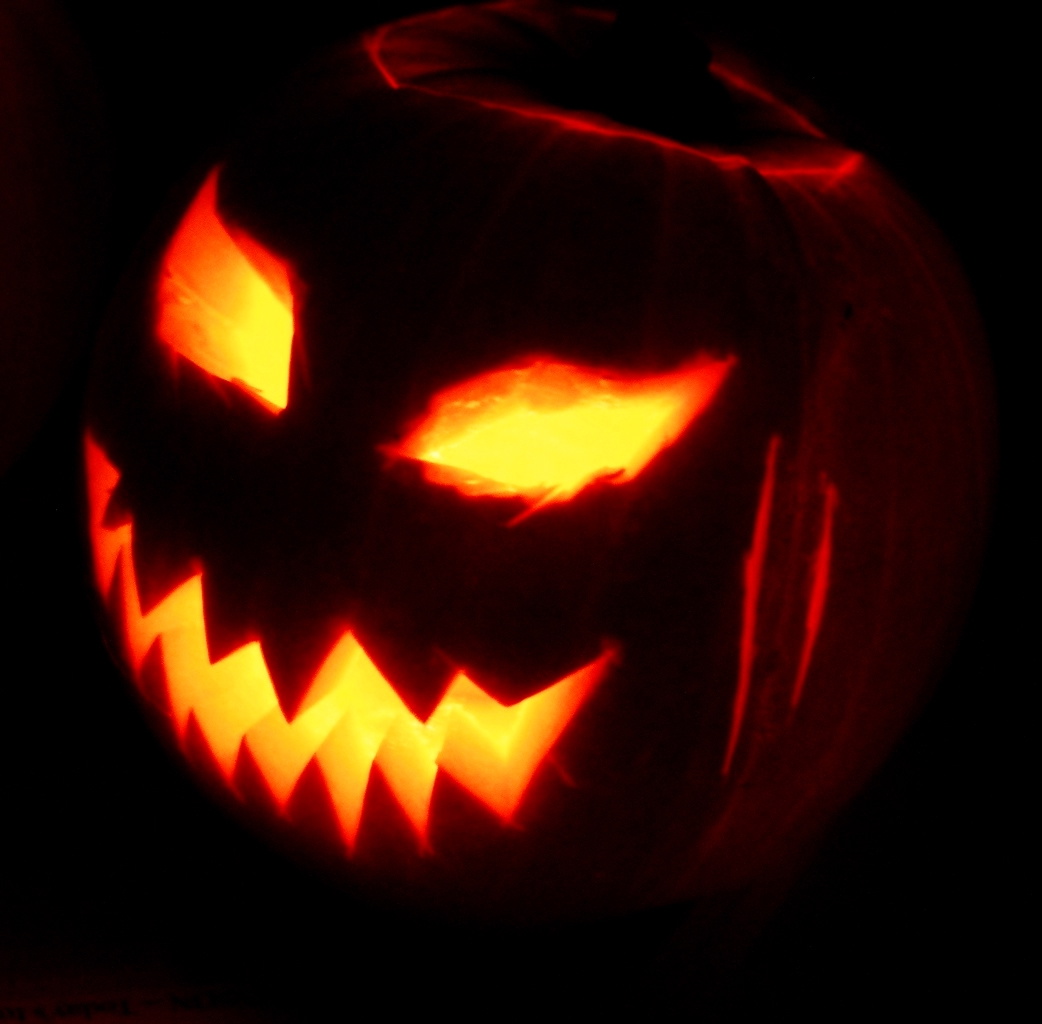
- Decorations such as carved pumpkins (jack-o'-lanterns), cobwebs, and spooky lighting
- Entertainment like haunted attractions and horror film showings
History and origins
Halloween's origins are layered. It is commonly linked to the Christian evening before All Saints' Day—known as All Hallows' Eve or All Hallows' Eve—which begins a three-day period including All Saints and All Souls. That Christian observance was superimposed on and blended with earlier folk and seasonal practices. Elements of the festival trace to Celtic harvest-time rites, often associated with the festival of Samhain, and to various pagan customs from Ireland and other parts of northern Europe. Ireland is frequently mentioned as a focal point in the holiday's development, and some of these older influences are noted in Irish traditions cited by historians and cultural scholars (Ireland, pagan roots).
Religious and cultural meanings
For many Christians Halloween functions as the eve of the liturgical observance of All Hallows and serves as an introduction to Allhallowtide. In other contexts it retains folk meanings tied to the boundary between autumn and winter or the relationship between the living and the dead. Some religious groups treat the date as a solemn remembrance, while others emphasize charitable or community activities.
Contemporary variations and notable facts
Today Halloween ranges from family-centered trick-or-treating to large-scale entertainment events. Adults adopt the holiday through costume parties, themed nights in hospitality venues, and commercially produced decorations. Traditions vary by region: some places emphasize community safety and alternative events for children, while others focus on entertainment and retail. The holiday's modern popularity is boosted by media, merchandise, and local customs. Scholars and commentators sometimes call it a blend of ancient ritual, Christian observance, and modern popular culture—terms like Hallowe'en appear in historical texts, while contemporary coverage may discuss costume trends (witch and horror motifs), public policy around festivals, or safety guidance from local authorities (pagan studies and community notes).
For more on specific practices, regional histories, or safety recommendations, see resources and community guides that cover local variations and event planning (overview, dates, U.S. customs, Australia, Canada, costumes, treats, iconic figures, All Saints' Eve, Hallowe'en, Irish origins, pagan roots).
Questions and answers
Q: What is Halloween?
A: Halloween is a celebration on the night of October 31st. It is most commonly practiced in the United States, Australia and Canada.
Q: How do children celebrate Halloween?
A: Children typically wear costumes and go to people's homes saying "Trick or treat!" to ask for candy (sweets in the UK). The suggestion is that if they don't get a treat, they will play a trick on them.
Q: What do adults do for Halloween?
A: For adults, Halloween is not usually celebrated in the same way as it is for children. It is often referred to as ‘the scariest time of the year’.
Q: What are its Christian roots?
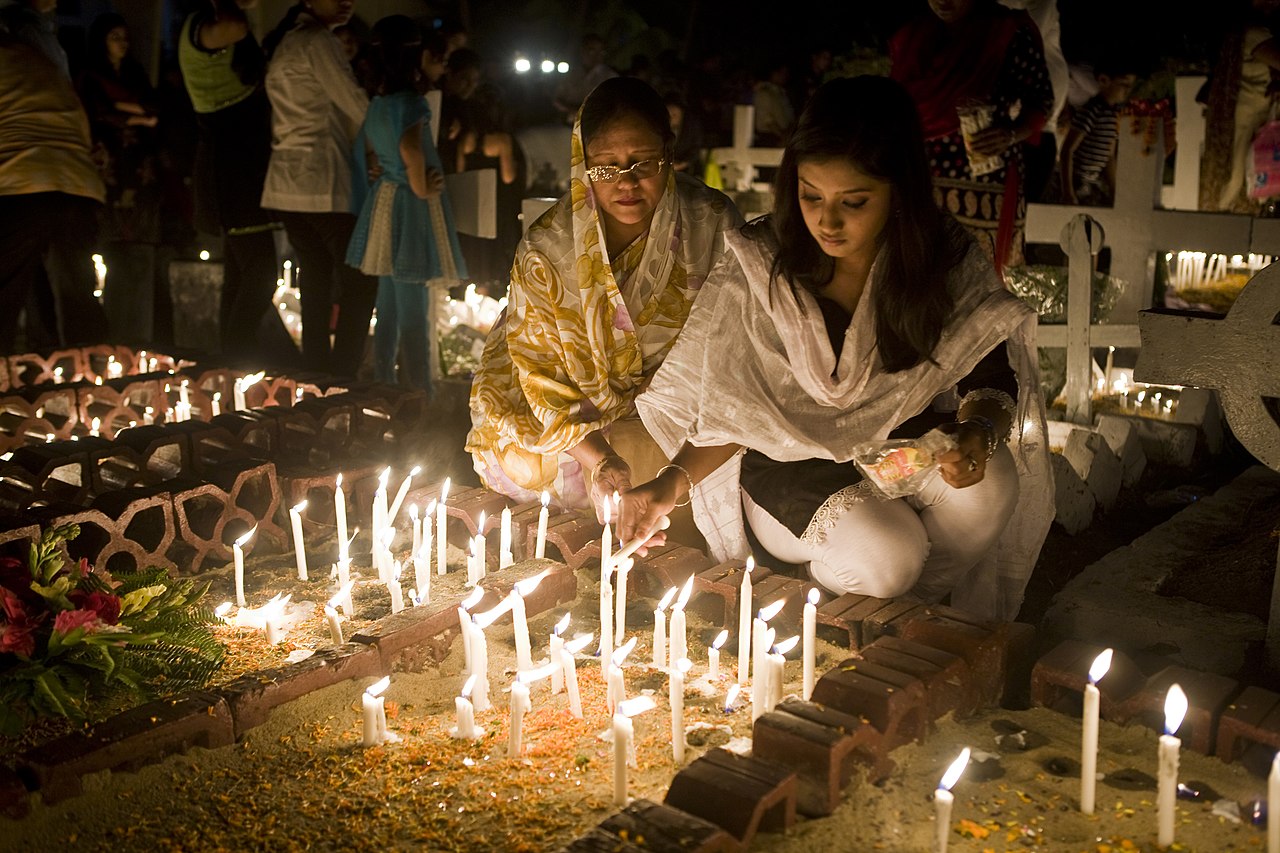
A: For Christians, Halloween marks the eve of All Saints' Day which begins the three-day observance of Allhallowtide - October 31 (All-Hallows Eve or Hallowe'en), November 1 (All Saints) and November 2 (All Souls). All Hallows' has both Christianized and pagan roots.
Q: Where did it originate from?
A: The origins of Halloween can be traced back to Ireland where it was first celebrated as a Christianized holiday with pagan roots.
Q: Is there any other name for All Hallows' Eve?
A: Yes, another name for All Hallows' Eve is Hallowe'en.
Author
AlegsaOnline.com Halloween: history, customs, and cultural significance Leandro Alegsa
URL: https://en.alegsaonline.com/art/41945
Sources
- books.google.com : Halloween: From Pagan Ritual to Party Night