
Cardamom: varieties, botany, uses and cultural significance
Cardamom is a spice from two genera in the ginger family, prized for aromatic seedpods used in cooking, beverages, and traditional medicine across Asia and beyond.
Overview
Cardamom refers to aromatic seedpods harvested from plants in the ginger family. The spice is obtained from the small black seeds contained within papery pods and is valued for a complex, warm, slightly camphorous flavor. Cardamom appears in savory and sweet cuisines, in beverages such as coffee and tea, and in traditional remedies.
Image gallery
10 Images




Botany and main varieties
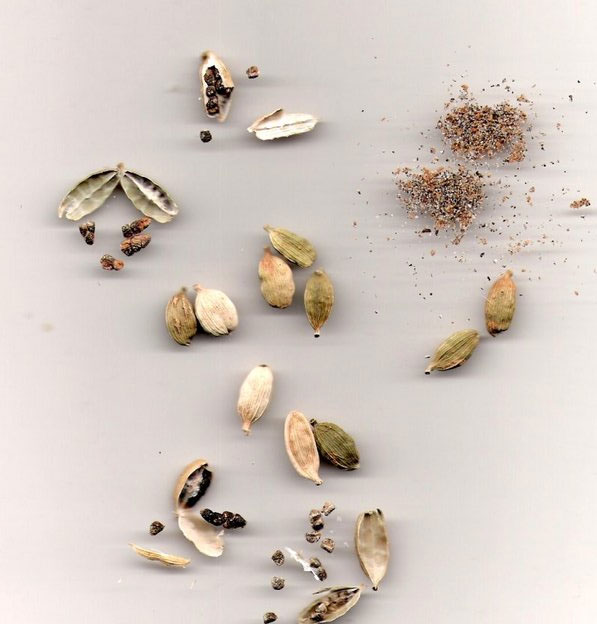
Two principal groups produce the spice: Elettaria and Amomum. These genera are members of the broader ginger family and include species often referred to as green (true) cardamom and black cardamom. The pods are typically triangular in cross-section and spindle-shaped, with a thin outer shell protecting many tiny seeds. Green pods (Elettaria) are smaller and pale green; dark brown or larger pods usually come from Amomum species.
Origins and distribution
Cardamom has its historical heartland in South and Southeast Asia. True or green cardamom grows naturally and is cultivated from India through Malaysia, while several Amomum species extend across broader parts of Asia and into Australia. Over centuries the spice spread via trade routes to the Middle East, Europe, and beyond.
Uses and importance
- Culinary: whole pods, crushed seeds, or ground powder flavor rice dishes, curries, baked goods, and liqueurs.
- Beverages: a traditional addition to coffee, tea and spiced infusions.
- Medicinal and aromatic: used in traditional systems for digestion, breath freshening, and perfumery.
Harvesting, storage and notable distinctions
Pods are harvested before full ripening to preserve aroma; drying and gentle roasting modify flavor—black cardamom often develops smoky notes. Because the volatile oils that supply its aroma evaporate, whole pods or intact seeds store better than ground spice. Cardamom is distinct from other warming spices by its bright, resinous aroma and the contrast between delicate green cardamom and robust, smoky black varieties.
For botanical and culinary reference see a general taxonomic overview or a resource on spices for preparation and substitution guidance.
Questions and answers
Q: What are the two herbs related to ginger called?
A: The two herbs related to ginger are called Elettaria and Amomum.
Q: What shape is the seedpod of cardamom?
A: The seedpod of cardamom is triangular in cross-section and has the shape of a spindle.
Q: What color are Elettaria pods?
A: Elettaria pods are light green in color.
Q: What color are Amomum pods?
A: Amomum pods are larger and dark brown.
Q: How is Elettaria commonly known?
A: Elettaria is commonly known as cardamom, green cardamom or true cardamom.
Q: Where does Elettaria grow?
A: Elettaria grows from India to Malaysia.
Q:Where does Amomum grow?
A:Amomum grows in Asia and Australia.
Related articles
Author
AlegsaOnline.com Cardamom: varieties, botany, uses and cultural significance Leandro Alegsa
URL: https://en.alegsaonline.com/art/16922