
Canary (Serinus canaria): overview, traits, history, and human uses
Small finch native to Macaronesia, widely kept and bred for song and color. Covers appearance, behavior, domestication, breeding, varieties, and cultural importance including 'canary in a coal mine'.
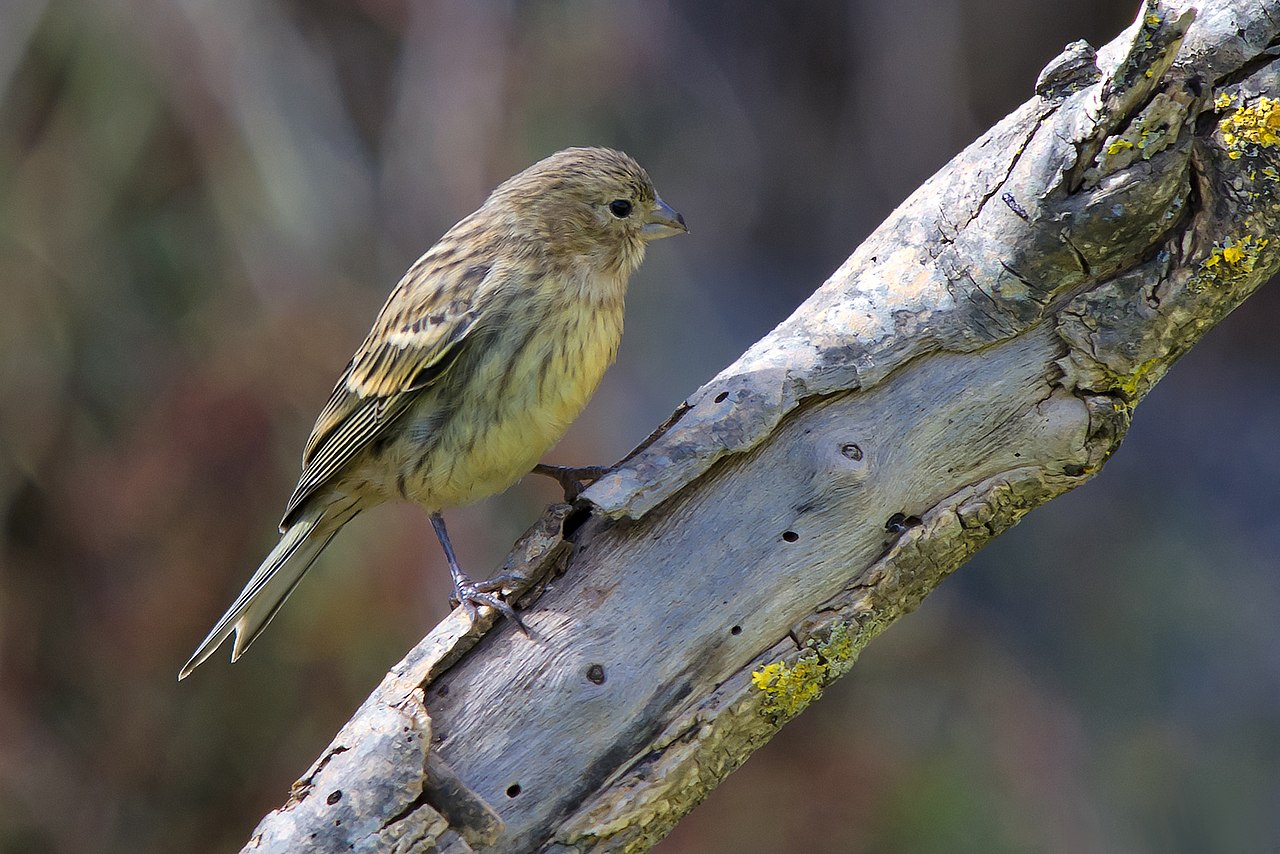
The canary (Serinus canaria) is a small passerine bird belonging to the finch family Fringillidae. Wild populations occur naturally in parts of Macaronesia, including the Canary Islands, the Azores, and Madeira. In the wild the species shows a mostly yellow-green plumage with brownish streaking on the back; however, selective breeding over two centuries has produced a wide range of color mutations and varieties now familiar in captivity. Canaries are among the most common pet birds and are frequently kept for their song and attractive appearance. Bird keepers appreciate their relatively small size, sociable nature, and adaptability to cage life.
Image gallery
4 Images


Physical characteristics and behavior
Canaries are compact, short-tailed finches with a conical bill suited to a seed diet. Males are typically better singers than females, and many of the traits valued by breeders—strength of song, tone, and repertoire—are associated with males. Sexual dimorphism is modest: plumage differences exist in some strains, and behavioral cues such as song are commonly used to distinguish sexes. Canaries eat a variety of seeds, supplemented with fresh greens, fruits, and specialized mixes in captivity. They are active and curious, often moving about branches or perches and engaging in short flights within an aviary.
Domestication, varieties, and breeding
Domestication of canaries dates back several centuries after they were introduced to Europe from the islands. Aviculturists developed distinct strains emphasizing song, color, or posture. Modern categories include 'song' canaries bred for complex melodies, 'color-bred' varieties displaying vivid hues (including red, orange, white and multiple combinations), and 'type' canaries selected for body shape and stance. Breeding is commonly managed by hobbyists and professionals; nests are small and cup-shaped, constructed by both parents from grasses and other plant fibers. Females typically lay a few eggs per clutch and both parents participate in rearing the young.
Uses, cultural significance, and notable facts
- Pets and companions: Canaries are popular household birds appreciated for song and low maintenance compared with larger parrots.
- Symbolic and cultural roles: The canary is associated with music and domestic aviculture in art and literature.
- Canary in coal mines: Historically, canaries were used as early-warning detectors of toxic gases in mines because of their sensitivity to air quality; this practice gave rise to the phrase "canary in a coal mine," now used metaphorically.
- Scientific and educational uses: Canaries have been used in behavioral studies and as examples in teaching about domestication and selective breeding.
Care and conservation notes
Captive care emphasizes a balanced seed mix, fresh water, room for exercise, and environmental enrichment such as perches and toys. Many canaries thrive for several years in well-managed conditions; lifespans in captivity tend to exceed those typical of wild birds. Although captive-bred canaries are common, wild island populations face habitat pressures like other island endemics; conservation of native habitats and responsible collection practices are important for their long-term survival. For further taxonomy and ornithological details, consult specialized sources and field guides.
Related articles
Author
AlegsaOnline.com Canary (Serinus canaria): overview, traits, history, and human uses Leandro Alegsa
URL: https://en.alegsaonline.com/art/16496