
Candiru: small parasitic catfishes of the Amazon Basin
Candiru are slender, often translucent catfishes (family Trichomycteridae) from the Amazon Basin, best known as gill parasites of other fishes and for a persistent—but largely anecdotal—reputation regarding humans.
Overview
The candiru (also spelled candirú and called canero or toothpick fish in some areas) refers to several small freshwater catfish found in the Amazon Basin. Local and popular names vary; see regional names such as candirú in local languages. Scientifically these fishes are members of the family Trichomycteridae, a diverse group that includes both parasitic and non-parasitic species of catfish. They are often associated with slender, eel-like forms among the basin's small fishes.
Image gallery
5 Images


Description and biology
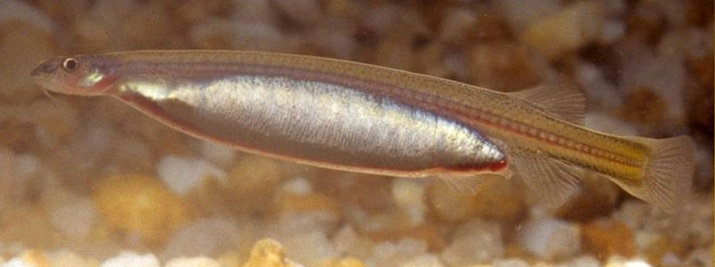
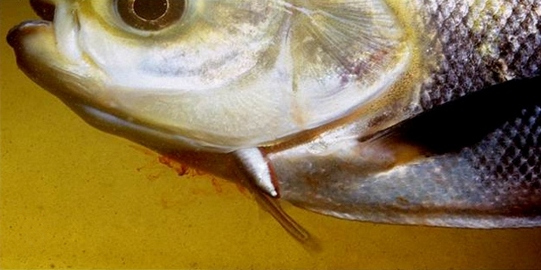
Candirú are typically small and often translucent or pale, traits that make them hard to detect in turbid waters. Body shape is elongated and laterally compressed in many species; adult sizes vary, with most well-known parasitic forms remaining only a few centimetres long though some related taxa grow larger. Parasitic candiru feed by attaching to the gill cavities or exposed tissue of larger fish and ingesting blood and bodily fluids, a strategy that differs from the feeding habits of many other catfishes.
Distribution and habitat
These fishes occur throughout the Amazon Basin, including major rivers and flooded forest channels. They have been reported from stretches of the Amazon River and in blackwater tributaries such as the Rio Negro. Areas around river towns and cities, including the region near Manaus, are places where local knowledge and frequent observations have shaped cultural views of the fish.
Behavior, feeding and life cycle
Parasitic species of candiru are best known for entering the gill chambers of host fish and feeding on blood. Non-parasitic relatives in the same family have varied diets and habits. Reproductive and life-history details differ among species and are not well documented for many taxa; research is ongoing to clarify how life cycles, host specificity and habitat preferences vary across the group.
Human interactions and myths
Candirú figure strongly in regional folklore and wider popular imagination. The most sensational claim—that some species enter the human urethra or other orifices—remains largely anecdotal and scientifically disputed. Most reliable evidence indicates that these fishes primarily parasitize other fishes (gill parasites) and that confirmed attacks on people are exceptional. Nonetheless, the fish's reputation affects swimming and fishing practices, and stories are often repeated in travel and natural history accounts where they are compared to other feared species such as the piranha.
Identification and similar species
Small size, translucence and eel-like form help identify candiru, but other small catfishes or slender tropical fishes can be confused with them. One genus commonly associated with parasitic behavior is Vandellia, though not all members of Trichomycteridae share the same ecology. Field identification should rely on taxonomic keys and expert consultation rather than folklore.
Research, conservation and further reading
Scientific understanding of candiru diversity, ecology and interactions with hosts continues to develop. Studies focus on taxonomy, host associations and the circumstances under which parasitism occurs. For critical evaluation of popular claims consult specialist literature and regional studies rather than anecdote; see resources on the family (Trichomycteridae overview), basin ecology (Amazonian fishes) and collected reports of incidents (reported incidents). For cultural context and local names see regional names and accounts from the Rio Negro and Amazon River regions. General introductions and further materials are available through compilations and databases (Manaus and regional summaries).
- Key point: most candiru species are ectoparasites of fish, not humans.
- Distribution: widespread in the Amazon Basin, including tributaries and flooded forests.
- Taxonomy: part of a diverse family with both parasitic and free-living members; consult specialists on genera such as Vandellia.
Questions and answers
Q: What are Candiru fish?
A: Candiru fish are parasitic freshwater catfish found in the Amazon River.
Q: What family do Candiru fish belong to?
A: Candiru fish belong to the Trichomycteridae family.
Q: What are Candiru fish also known as in Spanish?
A: Candiru fish are also known as candirú or canero or toothpick fish in Spanish.
Q: Why are Candiru fish feared by the people who live near the Amazon River?
A: Candiru fish are feared by the people who live near the Amazon River because they are parasitic and can cause harm to humans.
Q: What is the size of some Candiru fish?
A: Some Candiru fish can grow up to 6 inches or around 15 centimeters in length.
Q: Where is the area that has the most Candiru fish?
A: The area with the most Candiru fish is located between the Amazon River and the Rio Negro near the inland city of Manaus in Brazil.
Q: What makes Candiru fish difficult to see in the water?
A: Candiru fish are eel-shaped and translucent, which makes them very difficult to see in the water.
Related articles
Author
AlegsaOnline.com Candiru: small parasitic catfishes of the Amazon Basin Leandro Alegsa
URL: https://en.alegsaonline.com/art/16522
Sources
- digitallibrary.amnh.org : "New and noteworthy Venezuelan glanapterygine catfishes (Siluriformes, Trichomycteridae), with discussion of their biogeography and psammophily"
- doi.org : 10.1206/0003-0082(2005)496[0001:NANVGC]2.0.CO;2
- mnhn.fr : "Analyse D'Ouvrage"
- doi.org : 10.1023/A:1011081027565