
Cane Corso — Italian mastiff breed and guardian dog
The Cane Corso is a large Italian mastiff historically bred for guarding, hunting and farm work. This article covers appearance, temperament, history, care, training and distinguishing features.
Overview
The Cane Corso is a large, muscular dog from Italy traditionally grouped among mastiff-type working breeds. Bred for farm work, guarding property and assisting in hunting, it combines strength with athleticism and a strong protective instinct. The name traces to the Latin word cohors, meaning guardian or protector, which reflects the breed's long association with guarding people and estates. Modern Cane Corsos are kept as family guardians, working dogs and companions in many countries.
Image gallery
6 Images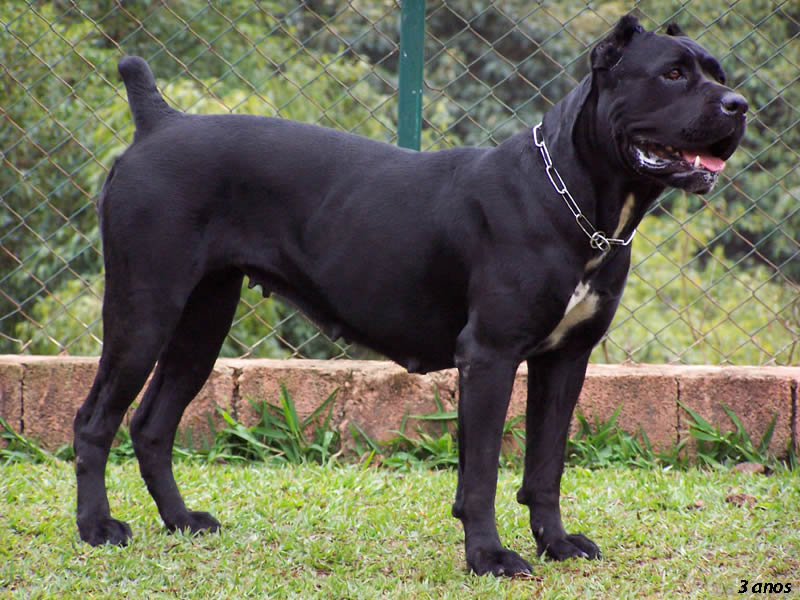


Physical characteristics
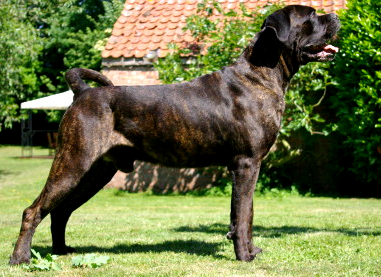
Cane Corsos are notable for a powerful, compact frame, broad head and a short, dense coat. They present an imposing silhouette when alert yet retain agility and endurance. Common traits include a deep chest, well-developed muscles and alert expression. Coat colors vary and the skin is tough and resilient. Because of their size and build, Cane Corsos require regular exercise to remain healthy and well-balanced.
Temperament and abilities
The breed is valued for intelligence, trainability and a steady temperament. Cane Corsos are typically loyal and protective of family members while being capable of calm restraint when properly socialized. They have historically been employed as watchdogs and guardians and were also used in hunting large game such as wild boar, demonstrating courage and working drive. Their senses, including keen hearing, suit them to protective tasks and active roles.
History and development
Ancestors of the Cane Corso have long existed in Italy, serving on farms and estates. Over centuries they were used for a mix of duties—herding, guarding, hunting and draft work—leading to a versatile, versatile utility dog. Breeding in the 20th century helped stabilize the type, and the breed has since spread beyond its native region while retaining connections to traditional Italian working lines.
Care, training and socialization
Early, consistent training and wide socialization are essential for a well-adjusted Cane Corso. Positive, firm leadership and reward-based methods work best with this intelligent breed. Owners should expose puppies to people, different environments and other animals so protective instincts are channeled appropriately. Daily physical activity and mental stimulation reduce boredom and undesirable behavior; many owners combine walks, play and structured training sessions.
Health and management
As a large breed, the Cane Corso benefits from routine veterinary care and sensible feeding to support joint health and overall longevity. Prospective owners are advised to investigate health screening practices used by responsible breeders. The breed can show notable tolerance to discomfort, so attentive monitoring is important because some dogs may hide pain or ignore boundary cues such as an electric fence.
Key considerations for owners
- Familiarize yourself with the breed's mastiff heritage and guard-dog instincts: consult resources on mastiff breeds and standards: mastiff group overview.
- Appreciate the breed's origin and cultural background in Italy: Italy.
- Understand their guarding role and suitability as watchdogs: watchdog functions.
- Learn about historical hunting roles, such as confronting wild boar: wild boar hunting.
- Seek training information from reputable sources: training resources.
- Recognize sensory strengths, including strong hearing: hearing and senses.
- Be aware of behavioral traits like high pain tolerance and how they affect management: tolerance considerations.
- Note that some dogs may not respect containment tools like electric fences: containment cautions.
When considering a Cane Corso, research breeders or adoption groups carefully and plan for the physical, training and social needs of a large, protective, and intelligent dog. Responsible ownership, early socialization and consistent leadership help this ancient mastiff thrive as a devoted guardian and companion.
Questions and answers
Q: What is the Cane Corso?
A: The Cane Corso is an ancient mastiff breed from Italy that is very muscular and loves to run.
Q: What is the Cane Corso's temperament like?
A: The Cane Corso has a stable temperament and is highly intelligent and trainable.
Q: What is the Cane Corso's history with hunting?
A: The Cane Corso has been used to hunt animals such as wild boar.
Q: What does the name Cane Corso mean?
A: The name Cane Corso derives from the Latin "Cohors" which means "guardian," "protector."
Q: What is important for the early socialization of a Cane Corso?
A: It is important that this dog be socialized early to be highly protective of its owner while also being good with other people.
Q: What is the Cane Corso's tolerance for pain?
A: The Cane Corso is highly tolerant of pain and sometimes electric fences are ignored by the dog.
Q: Why is early training of a Cane Corso imperative?
A: Early training of this dog is imperative because the owner must introduce the dog to its environment, including family, friends, nearby cats and dogs, since the Cane Corso breed is highly protective of its owner.
Related articles
Author
AlegsaOnline.com Cane Corso — Italian mastiff breed and guardian dog Leandro Alegsa
URL: https://en.alegsaonline.com/art/16539
Sources
- akc.org : "Cane Corso"
- dogbreedinfo.com : The Cane Corso
- vetstreet.com : Training of the Cane Corse