
Passerine: the perching birds of the order Passeriformes
Passerines are perching birds in the order Passeriformes, comprising the majority of bird species. They are known for their anisodactyl feet, diverse songs, and global distribution except Antarctica.
A passerine is any bird belonging to the order Passeriformes, commonly called perching birds or songbirds. Passerines make up more than half of all known bird species and occur across most terrestrial habitats worldwide, from forests and grasslands to cities. They are absent only from the most extreme polar deserts.
Image gallery
10 Images


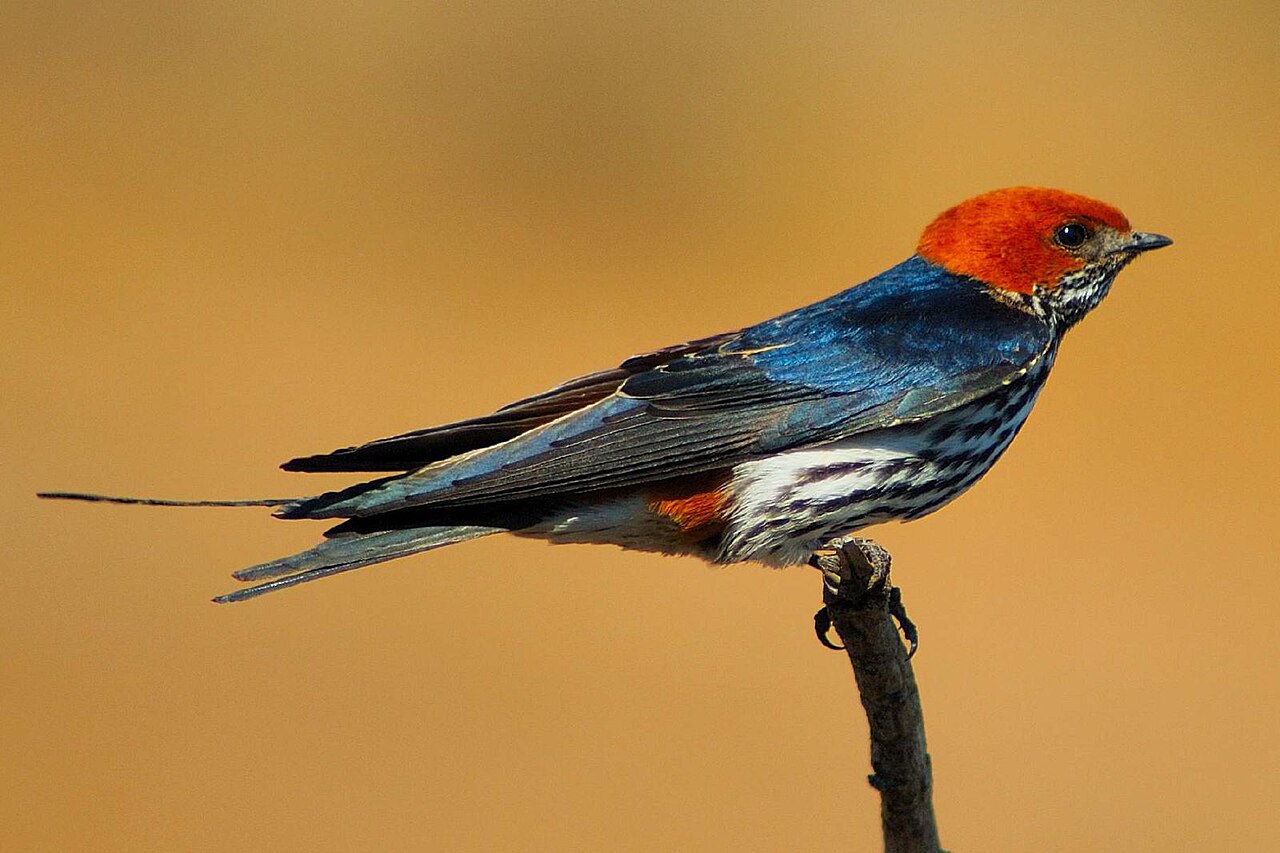


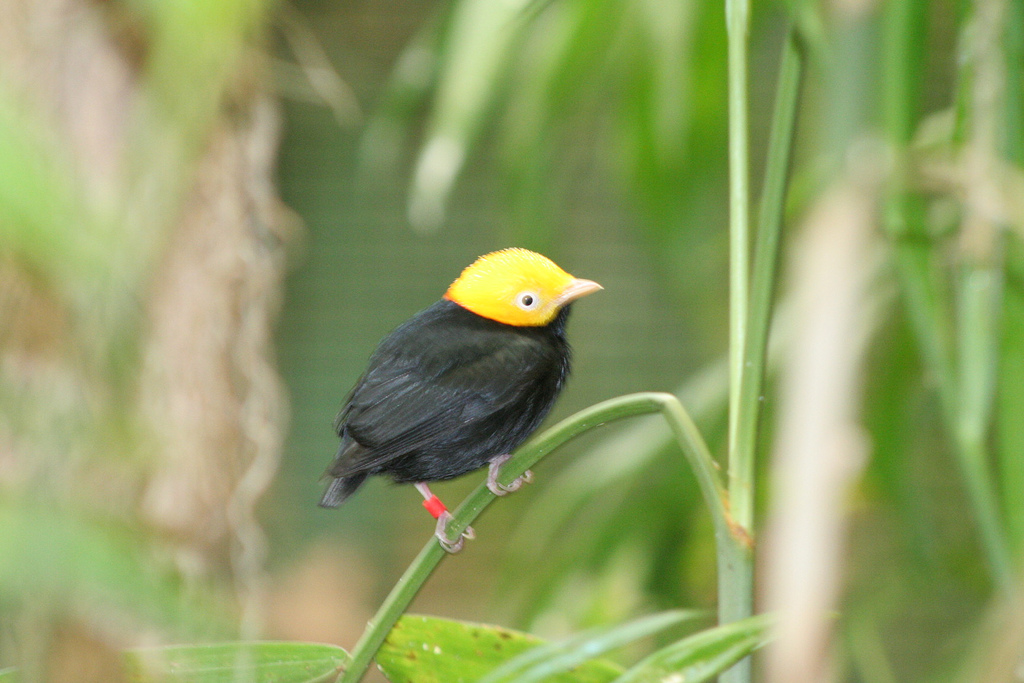


Key characteristics
Several traits are typical of passerines, although the group is diverse. Most have an anisodactyl foot—three toes pointing forward and one back—that aids perching. Many species possess a highly developed syrinx, the vocal organ that enables complex calls and songs. Size ranges widely, but many passerines are small; diets include insects, seeds, fruit, nectar, and omnivory depending on the species.
Taxonomy and subgroups
The order is usually divided into three principal suborders: Passeri (oscines or true songbirds), Tyranni (suboscines), and the small Acanthisitti (New Zealand wrens). Oscines are notable for learned song repertoires, while suboscines generally have more innate vocal patterns. For a general overview of birds see bird resources.
Origins and evolution
Passerines probably began a major diversification after the end-Cretaceous extinctions and radiated widely during the Cenozoic. Fossil evidence and molecular studies suggest multiple radiations that produced the many families and forms seen today, adapted to a variety of ecological niches.
Ecology and human relevance
Passerines play important ecological roles as insect predators, seed dispersers and pollinators, and they are common subjects in behavioral and ecological research. Their songs and conspicuous presence have long made them familiar in culture, literature and citizen science.
Notable examples and distinctions
- Well-known families include sparrows, finches, warblers, thrushes and corvids (crows and ravens).
- Size extremes range from tiny wrens to larger corvids; plumage and behavior vary greatly across families.
- Conservation status varies: some passerines are abundant in human-altered landscapes, while others face habitat loss and decline.
Because passerines are so numerous and varied, they continue to be a central focus of ornithology, ecology and conservation efforts worldwide.
Questions and answers
Q: What is a passerine?
A: A passerine is a bird of the order Passeriformes, which includes over half of all bird species.
Q: What kind of birds are passerines?
A: Passerines are perching birds.
Q: How many passerine species are there?
A: Passerines make up over half of all bird species, so there are numerous species.
Q: What distinguishes passerines from other birds?
A: Passerines are known for their ability to sing.
Q: What is the main suborder of passerines?
A: The main suborder of passerines is the Passeri, which includes songbirds.
Q: Do all passerines sing?
A: Most passerines can sing very well.
Q: How would you describe the size of most passerine birds?
A: Most passerine birds are small in size.
Related articles
Author
AlegsaOnline.com Passerine: the perching birds of the order Passeriformes Leandro Alegsa
URL: https://en.alegsaonline.com/art/74937
Sources
- stanford.edu : Precocial and altricial young
- dx.doi.org : 10.1073/pnas.0401892101
- pnas.org : PDF fulltext
- pnas.org : Supporting information
- dx.doi.org : 10.1098/rspb.2001.1883
- tc.umn.edu : PDF fulltext
- ncbi.nlm.nih.gov : ncbi.nlm.nih.gov/pubmed/30936315
- dx.doi.org : 10.1071/MU97004